Blog
7 Ideas for Creating a More Relaxing Backyard
Ten months out of the year
my backyard chairs sat empty because they stayed too hot to touch until
sundown. I fixed that with one shade structure and a better spot for the
seating, and the space went from storage lot to the place I actually want to
be. Most backyard upgrades fail the same way mine did: they look good in photos
and feel wrong to sit in. Relaxation is a design problem you can solve on
purpose, and you can do it in stages.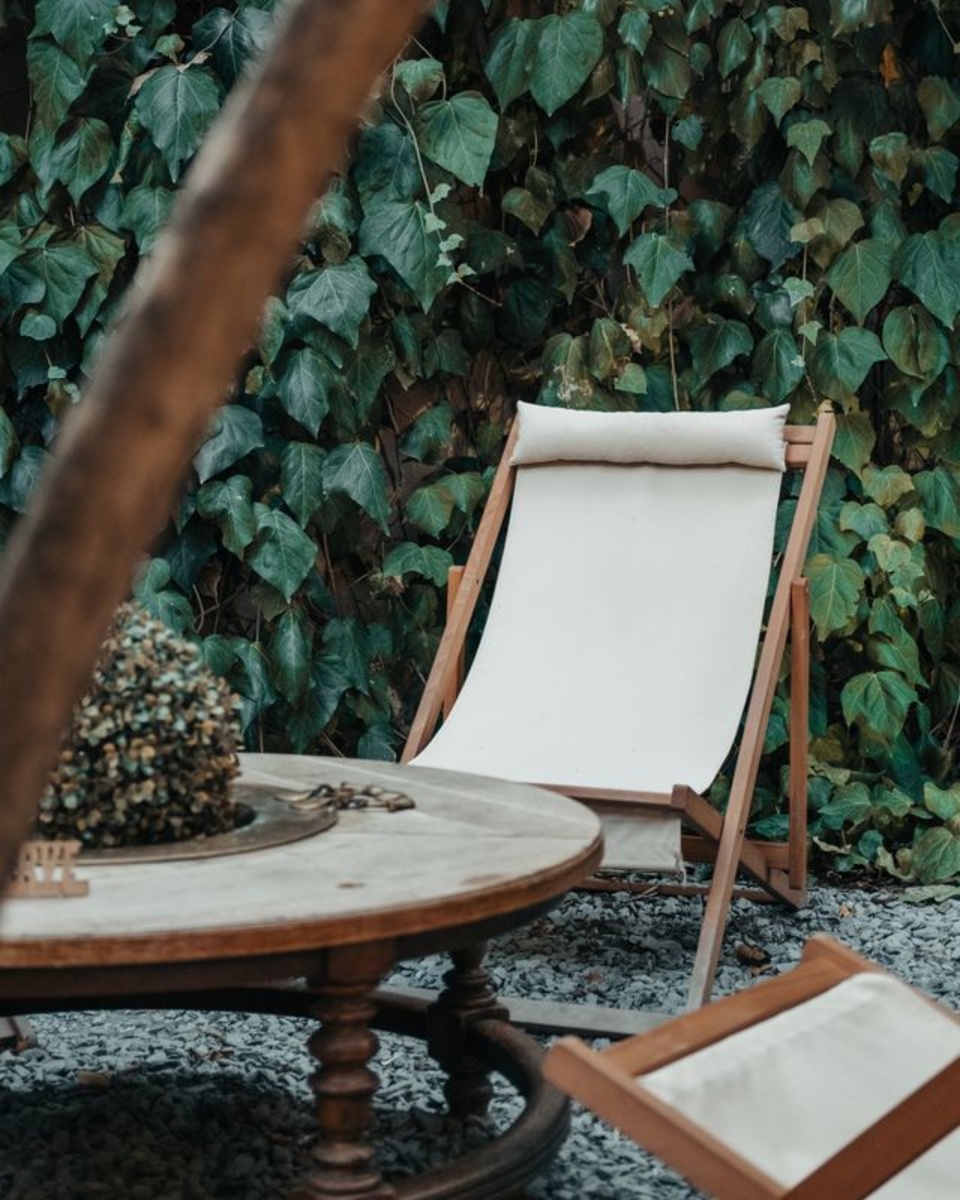
Photo by Oguz Kagan Cevik
1. Kill the Noise Before You Add Anything Pretty
You can have the nicest furniture on the block and still not relax if a leaf blower two doors down runs every evening. Sound shapes how a yard feels more than color does. Walk your property at different hours before you spend a dime and note where traffic hum, pool pumps, and the neighbor's air conditioner land hardest.
Water masks most of what you
can't stop. A small fountain near your seating area throws enough gentle sound
to blur the rest, and it doubles as the visual focal point, so you can skip a
sculpture you weren't sure about. Fences, layered shrubs, and a solid side gate
block some noise too. The Environmental Protection Agency tracks community
noise as an environmental issue with real quality of life effects, which is
worth remembering when you're deciding where to put that wall or hedge, so the
fix lands after the noise, not after the view. Do sound first. Everything else
gets calmer because of it.
2. Shade and Airflow, Not Just Shade
A pergola that blocks sun and stops breeze is a greenhouse. I've sat under both kinds, and the difference is whether the design lets air move. If you go with a solid patio cover, keep at least one long side open and consider mounting a quiet ceiling fan. If you prefer slats, orient them to catch the evening wind instead of blocking it.
Deciduous trees beat any
structure I know of because they shade in July and drop leaves in November, so
you get winter sun on the patio. Plant them where they'll cast shade over the
seating zone at 4 p.m., which is when you actually use the yard.
3. Give Every Seat a Purpose
Spread things out. A dining table near the house, two lounge chairs further out where the grass still feels cool, one bench tucked against a wall for reading. Aim for at least one seat with a backrest. Years of cheap folding chairs taught me that comfort you can't lean into isn't comfort.
Keep a small tray table at
arm's reach from each seat so you're not holding your drink on your knee, and
make sure the walk from kitchen door to chair is clear. Bonus points if the
path is shaded for the whole trip, because a hot walk with a cold drink in your
hands cancels out the relaxation you were chasing.
4. Light the Yard Like a Restaurant Patio
One floodlight on the back wall makes a yard feel like a parking lot. Do layers instead. Low path lights along the walk, a warm string or post light near the seating, and nothing aimed at eye level when you're sitting down.
Warm bulbs, roughly 2700K,
read as cozy while cool white reads as clinical. Put everything on a timer or a
smart plug so you're not walking out to pull cords in the dark. The Department
of Energy explains the basics of efficient outdoor lighting if you want to
compare LED color temperature and wattage before buying fixtures, and that five
minute read will save you from buying twice.
5. Water You Can See, and Occasionally Sit In
A fountain is the cheap version of this idea and a spa is the full one. What both give you is the sound plus a reason to walk out at 9 p.m. with a mug of tea instead of watching television.
If you want the built in
version, budget it like the permanent structure it is. You need the shell, the
equipment pad, the gas or electric line, and code compliant fencing, because a
body of water changes what your yard has to do. Working with a builder that
installs custom inground spas lets you match the spa to
your decking and your actual seating depth rather than picking from three stock
shapes that fit awkwardly against your house. I'd choose a spa over a fountain
every time if the budget allows, because a fountain only fixes sound, while a
spa adds water sound, a warm spot to sit in February, and a reason to stay
outside after dark.
What to Decide Before You Dig
Three questions worth
answering on paper: how close is the spa to the house door, where does the
equipment go so you can't hear it from the water, and which way will you face
when you're sitting in it. That third one matters more than people expect. Facing
a blank fence is a very different experience from facing the garden bed you
planted last spring.
6. Plant for Scent and Sway
Fragrance is the most underrated part of a calm yard. Gardenias near a window, lavender along the path, jasmine on a trellis you walk past. Plants that move in the breeze matter too, because motion at the edge of your vision is what tells your brain you're somewhere green instead of somewhere paved.
Penn State Extension has a
plain language rundown on how landscape plants are grouped and chosen by
climate and site conditions, which is a useful gut check before you buy eight
of something that hates your soil. I killed three lavender plants before I read
anything about drainage, so learn from my expensive habit. Keep the plants that
need water happy and pick drought tolerant types for the far corners you never
reach with the hose.
7. Protect the Quiet on Purpose
Privacy is a comfort feature. A screen of tall grasses or a single trellis with vines can block the exact sightline that makes you feel on display, and that's usually cheaper than a full fence run. Check your city's rules on fence height before you build, since many places cap what you can put along a side lot.
Then do the least glamorous
thing on this list: make the space easy to start. One switch for the lights,
one bin for cushions, one spot for the speaker. If opening the yard takes three
trips and a key, you won't do it. Mine lost a season to a stuck gate latch,
which is a ridiculous reason to not sit outside.
Start With the Two That Cost the Least
Do the sound and the lighting first. Those two changes are cheap, reversible, and they shape how the yard feels at the hour you actually use it. Add seating and plants next, and save water and structures for when you know the layout won't change. Work in that order and you'll never rip out something you just paid for.
The best test is simple. Walk out at dusk, sit down, and
see how long you stay without checking your phone. If it's under five minutes,
something on this list is still missing. If it's twenty, you're done, and you
should go enjoy it.
Photo Gallery



Comments