Blog
7 Things to Know Before Investing in Metal Roofing
A metal roof can be a major investment,
so it makes sense to ask questions before making a decision. Many homeowners
are attracted to the durability and appearance of metal roofing but may not
fully understand how different systems perform over time. The wrong assumptions
can lead to unexpected costs or unmet expectations. Knowing what factors
influence performance, maintenance, and installation can help you make a more
informed choice. This guide covers seven important considerations before
investing in a metal roofing system.
1. Roof Design
Influences Performance
The structure of your home plays a
significant role in determining whether metal roofing is a practical option.
Roof pitch, complexity, and existing materials can all affect installation
requirements. Homes with multiple valleys, dormers, and penetrations may
require additional planning compared to simpler roof designs.
Homeowners usually consult metal
roof installation specialists to evaluate how a particular roofing
system will interact with their home's structure. This assessment helps
identify challenges that may influence project scope and long-term performance.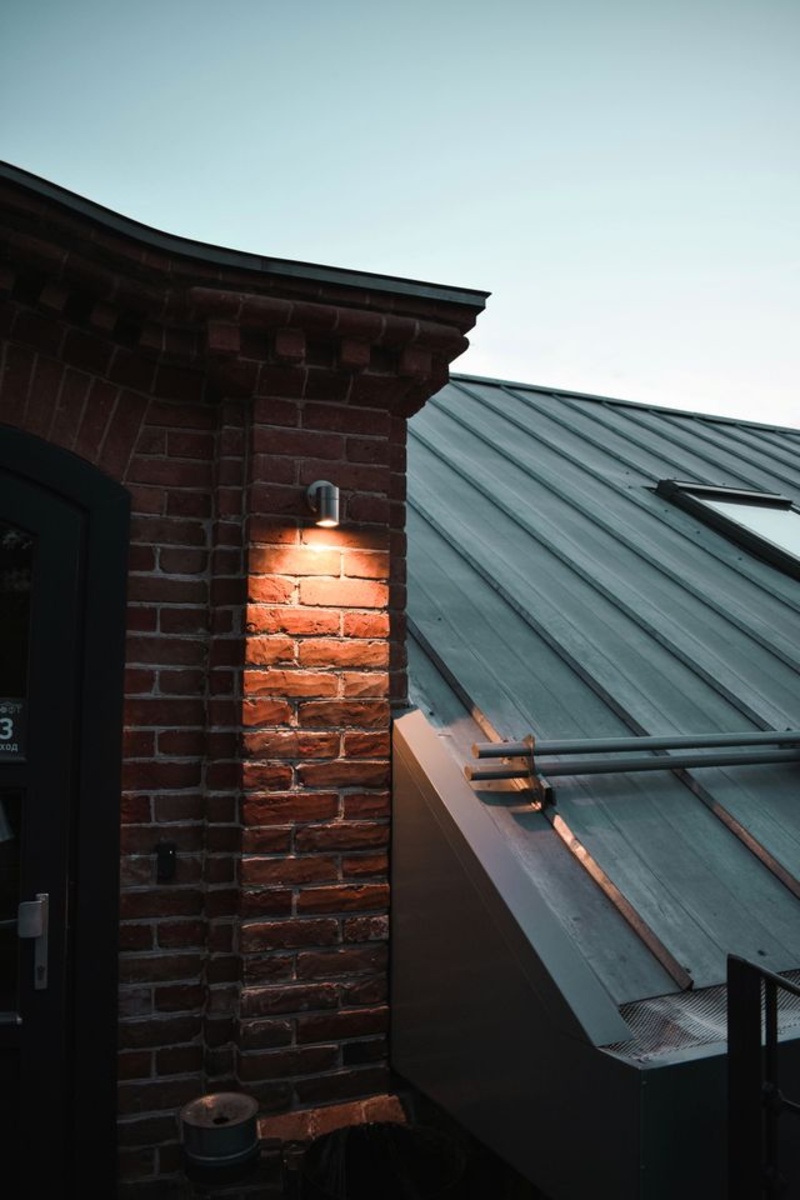
Photo by Денис Нагайцев
2. Material Options Are
Not All the Same
Many people assume all metal roofs
perform similarly, but several material choices are available. Steel, aluminum,
copper, and zinc each offer different characteristics related to durability,
appearance, and maintenance. Understanding these differences helps homeowners
compare options more effectively.
A practical example involves coastal
environments, where aluminum may perform differently than steel due to
corrosion considerations. Material selection should reflect both environmental
conditions and long-term goals rather than appearance alone.
3. Expansion and
Contraction Matter
Metal naturally expands and contracts as
temperatures change. This movement occurs throughout the year and can influence
how roofing components interact over time. Proper design accounts for this
movement through fastening systems and installation techniques.
Ignoring thermal movement can affect roof
performance. Understanding how the roofing system accommodates these changes
helps homeowners evaluate installation quality and avoid future concerns
related to stress on roofing components.
4. Noise Expectations
Depend on Construction
One common misconception is that metal
roofs are significantly louder during rainstorms. In reality, sound levels
often depend on roof assembly, insulation, and attic design rather than the
roofing material itself. Many metal roof installation specialists explain that
factors such as underlayment quality and attic insulation usually have a
greater influence on indoor noise levels than the metal panels themselves.
Several factors influence sound
performance:
●
Attic insulation levels
●
Roof deck construction
●
Underlayment materials
●
Ceiling design
●
Installation methods
5. Maintenance Needs
Differ From Other Roofs
Metal roofing generally requires
different maintenance practices than asphalt shingles or tile systems.
Homeowners should periodically inspect fasteners, flashing, sealants, and roof
penetrations. Routine maintenance helps identify developing issues before they
affect performance.
A useful observation is that some
maintenance concerns are less visible from the ground. Regular inspections
provide an opportunity to evaluate roof conditions and ensure components
continue functioning as intended throughout the roof's service life.
6. Energy Performance
Depends on Multiple Factors
Metal roofs are frequently associated
with energy efficiency, but actual performance
depends on more than the roofing material itself. Reflective coatings,
insulation levels, ventilation systems, and roof color can all influence energy
outcomes. Evaluating these elements together provides a more accurate picture of
potential benefits.
Rather than focusing on a single feature,
homeowners should consider how the entire roofing system contributes to indoor
comfort and energy performance. This broader perspective often leads to better
decision-making.
7. Professional
Planning Helps Avoid Costly Mistakes
A roofing project involves more than
selecting materials. Professional evaluations help determine structural
compatibility, identify potential challenges, and compare installation
approaches. These assessments provide practical information that homeowners can
use when reviewing project options.
Experienced contractors involved in metal
roof installation can explain material differences, evaluate roof conditions,
and help homeowners understand long-term maintenance expectations. Their
expertise helps reduce uncertainty and supports more informed planning before
work begins.
Investing in metal roofing involves
several important considerations, including roof design, material selection,
thermal movement, noise expectations, maintenance requirements, energy
performance, and professional planning. Each factor contributes to the
long-term success of the roofing system. Homeowners who take time to understand
these details are often better prepared to evaluate options and make confident
decisions. Careful planning and realistic expectations can help ensure the
roofing investment aligns with both current needs and future goals.
Photo Gallery




Comments