Blog
Can a Non-Surgical Facelift Help You Look More Rested? What to Know
If you've been searching for ways to look more refreshed without
committing to surgery, especially in areas like Beverly Hills where aesthetic
treatments are highly advanced, you've probably come across the term
"non-surgical facelift." It sounds almost too good — all the benefit,
none of the recovery. The reality is more nuanced than the marketing, and
understanding that nuance is what helps you figure out whether it's the right
choice for your face.
Here's an honest breakdown of what non-surgical facelift treatments
actually involve, what they can achieve, and where the limits are.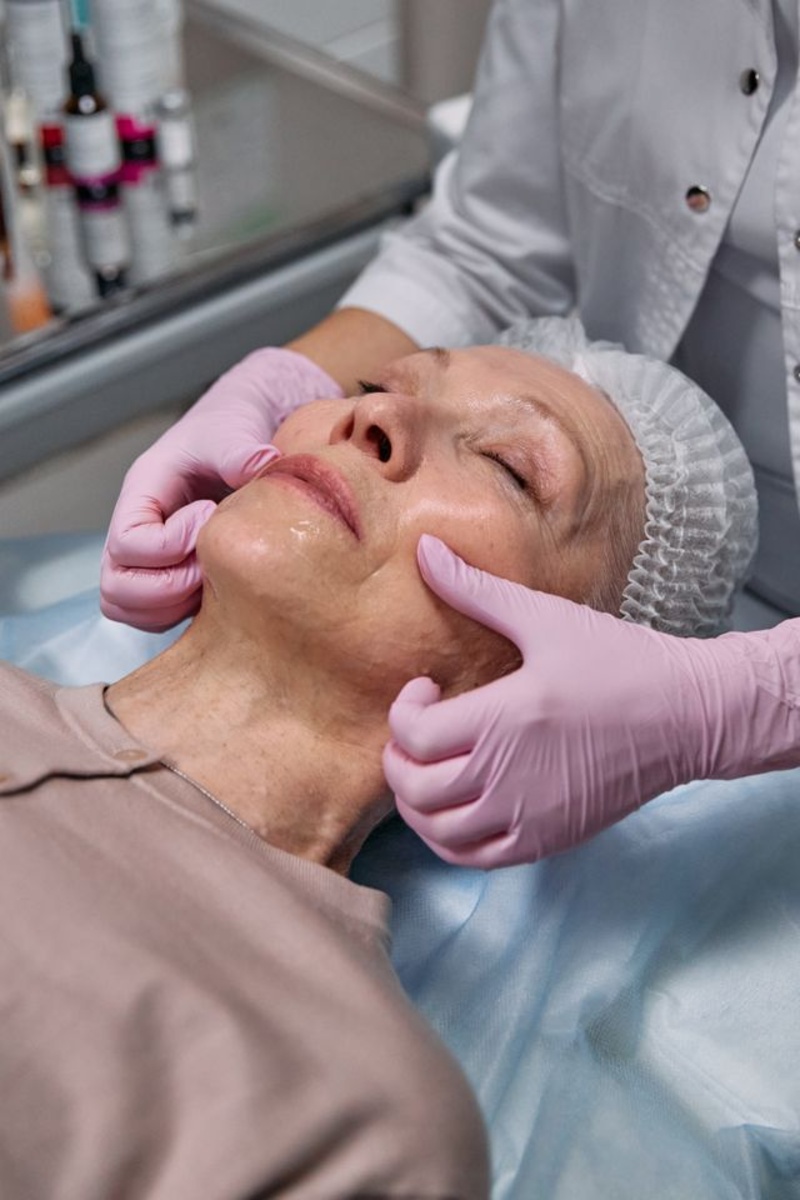
Photo by cottonbro studio
What "Non-Surgical
Facelift" Actually Means
The term doesn't describe a single procedure. It's a category —
typically referring to a combination of injectables and energy-based treatments
used together to address multiple signs of facial aging without going under the
knife.
The most common components:
●
Botox or other neuromodulators — relax expression-driven lines in the forehead, around the eyes, and
between the brows; strategic placement can also create a subtle brow lift.
●
Dermal fillers — restore volume that's been lost in the cheeks, temples, and midface;
redefine the jawline and chin; soften nasolabial folds. Volume restoration
supports the overlying skin and creates a lifting appearance without surgery.
●
Skin tightening devices — radiofrequency (RF) and ultrasound-based treatments stimulate
collagen production in the deeper layers of skin, gradually improving firmness
and laxity over weeks to months.
●
PDO thread lifts — dissolvable threads inserted under the skin create an immediate
mechanical lift and stimulate collagen along the thread tract. Results are
temporary but visible.
Used in combination and planned carefully, these treatments address the
main visual signs of facial aging: loss of volume, expression
lines, skin laxity, and loss of facial contour definition.
The "More
Rested" Result: What Drives It
Looking tired is caused by a specific combination of things. Volume
loss beneath the eyes creates hollows that cast shadow. Descent of the midface
softens the cheeks and pulls the corners of the mouth downward. Skin laxity at
the jawline blurs its definition. Forehead lines and frown lines create a
strained or worried appearance at rest.
A well-planned non-surgical approach targets each of those drivers
specifically. The result isn't a different face — it's your face, minus the
visual cues that read as tired or aged. Most patients describe getting comments
like "you look great, did you change your hair?" rather than anyone
identifying the specific treatment. That's the intended outcome.
What It Can
and Can't Do
Being clear about limitations is important here, because the term
"facelift" sets an expectation that the non-surgical version doesn't
always meet.
Non-surgical treatments work well for:
●
Early to moderate facial aging —
patients in their 30s and 40s with volume loss and expression lines but without
significant skin laxity
●
Maintaining results after surgical
procedures
●
Patients who want improvement but
genuinely aren't candidates for or interested in surgery
Where the non-surgical approach has real limits: significant skin
laxity, jowling that has progressed past mild, deep structural changes to the
midface and neck, and excess skin around the eyes. These concerns require
surgical correction to address properly. An honest provider will tell you which
side of that line you're on.
The Right
Provider Changes Everything
For patients seeking refined aesthetic improvement, a non-surgical facelift in Beverly Hills at NassifMD® MedSpa brings the kind of medically grounded, anatomy-first
approach that produces results at this level. Their process starts with a
detailed facial assessment — understanding what's changed and where — before
building a treatment plan around the specific concerns you want addressed.
The approach typically focuses on subtle refinement rather than dramatic
change, with an emphasis on maintaining natural facial expression and balance.
Treatments are selected based on individual facial structure, skin quality, and
degree of volume loss, which helps ensure results remain cohesive rather than
overcorrected.
Recovery and
What to Expect
One of the practical appeals of non-surgical treatment is the recovery
profile. Injectable appointments typically involve minor swelling and possible
bruising that resolve within days. Most people return to normal activity the
same day or the next.
Skin tightening treatments may cause temporary redness or mild
swelling, but rarely require significant downtime. Thread lifts can involve a
few days of tenderness and mild swelling at entry points.
Results aren't all immediate. Filler volume is visible right away, but
swelling takes a week to fully settle. Botox develops over 5 to 14 days. Skin
tightening devices produce gradual improvement over 2 to 3 months as collagen
remodeling takes place. The full picture of a combination treatment often takes
4 to 6 weeks to fully reveal itself.
How Long Do
Results Last
Non-surgical results are temporary, which is both a feature and a
limitation. Botox typically lasts 3 to 4 months. Fillers last 6 to 18 months,
depending on the product and location. Skin tightening effects can last a year
or more. Thread lifts generally hold for 12 to 18 months.
Maintaining the result requires ongoing treatment — typically a
scheduled maintenance visit once or twice a year, once the initial plan is
complete. Patients who stay consistent with maintenance tend to get more
cumulative benefit over time, because they're managing gradual changes before
they compound.
Conclusion
A non-surgical facelift can produce a genuinely refreshed, more rested
appearance — for the right patient, approached by the right provider, with the
right expectations going in. It's not a substitute for surgery when surgery is
what the concern actually calls for. But for early to moderate aging, for
patients who want improvement without a recovery window, and for those who want
to maintain results over time without committing to an operation, the
combination approach is a legitimate and effective option. Start with a
thorough consultation and come away with an honest picture of what it can
realistically do for your face.
Photo Gallery


Comments