Blog
Cooking on a Brazier: A Basic Guide to Outdoor Cooking
By
understanding how to fuel a brazier, cook on it, and stay safe while using it,
you can better understand this alternative summer cooking tool.
Summertime is the season for outdoor grilling and cooking,
with backyard barbecues, cookouts, and gatherings as the highlights. With the
pool going or the sprinklers on, a good burger or some tasty charred
vegetables, dinner outside is the best part.
Estivéo wants to offer a unique take on your
typical outdoor grill: the brazier. The brazier has been used for centuries as
an effective method to cook with heated coals, much like a modern grill.
Estivéo’s braziers are a modern take, with different finishes and orientations
to bring the system into contemporary outdoor spaces.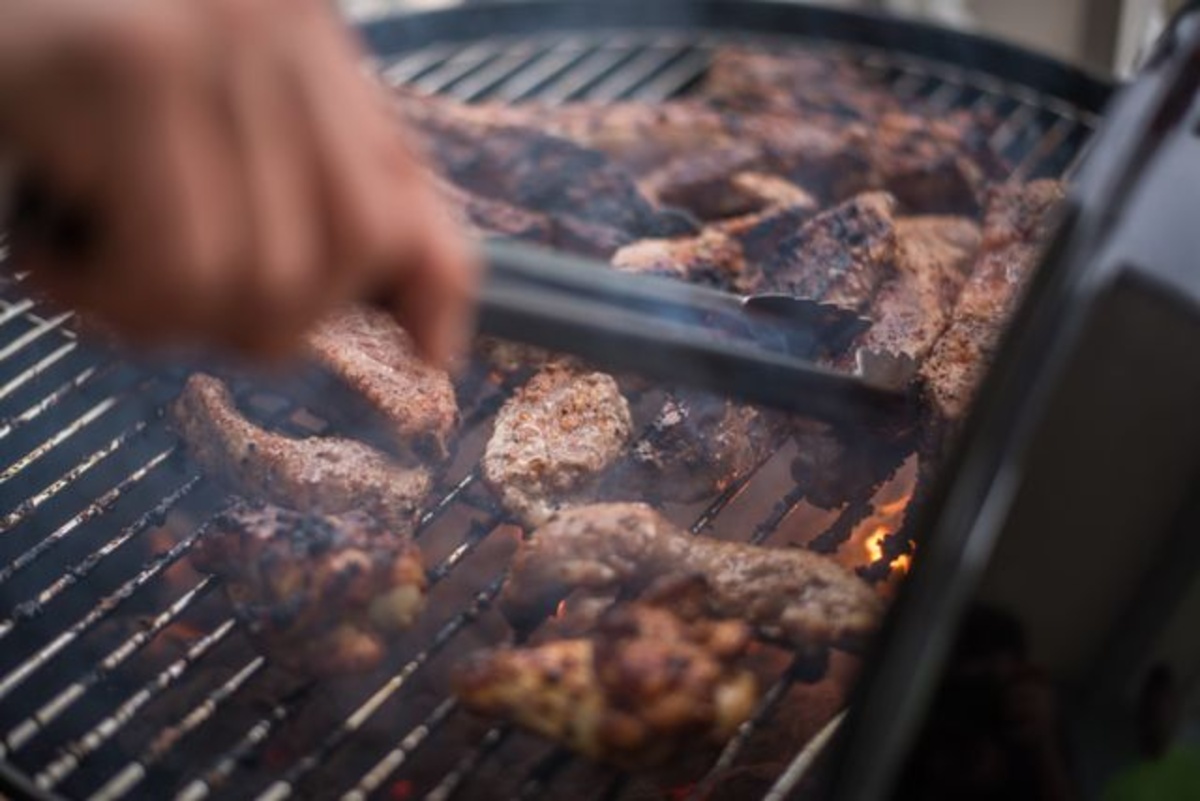 Photo by Caleb Oquendo
The Best Fuel and Heat for a Brazier Cooking
Cooking on a brazier is an outdoor cooking method that uses similar
combustibles to a simple fire pit; at its core, it is a fire pit. It is best to
use dry hardwood logs or charcoal in a brazier, not treated, painted, or damp
wood. These other types of wood likely do not burn well and may release
chemicals in the case of treated or painted wood.
When cooking on a brazier, cooking
over steady embers may yield the best results. Large flames can often burn the
outside of what is being made before the inside is fully cooked, leaving the
food raw on the inside and charred on the outside.
Spreading out the embers may provide
steady heat, but to control it, you may consider creating heat zones. One area
may be the hot zone, and another the lower-heat zone. With this method, one
area can be used for searing while the other enables slower cooking.
What Can Be Cooked on a Brazier
Once you understand how to cook on a
brazier, it’s time to consider what can be cooked on a brazier. Vegetables can
be cooked over a brazier. Peppers, courgettes, mushrooms, corn, potatoes,
onions, and aubergine also work especially well.
For proteins, steaks, sausages,
chicken thighs, fish, prawns, and skewers may all be cooked on a brazier.
Additionally, you can cook flatbreads
and shared cast-iron dishes on a brazier.
A rule of thumb is that foods and
meals that can be cooked over a campfire may also do well on a brazier, though
the cooking methods may differ between the two systems.
Mistakes to Avoid
Knowing which fuel to use and how to
cook over a brazier may make you better informed, but common mistakes may still
occur.
Common mistakes made when using a
brazier can include:
●
Cooking over too large a flame
●
Using wet or treated wood
●
Leaving the brazier unattended
●
Placing food too close to the
embers
To avoid common cooking errors, you
may keep these basic mistakes in mind.
Keeping Safe With Brazier Cooking
Even if you understand how to fuel and
cook with a brazier, as well as common mistakes, knowing how to keep safe with a brazier is important.
Like any fire, a brazier must be properly put out. Extinguishing a brazier fire
or any fire pit means letting the fire burn down, as putting it out may release
more smoke and steam. A brazier fire cannot be treated like a campfire in this
regard.
Spreading the ashes may help them cool
faster. The ashes may be disposed of once they are completely cold. Protection
may be appropriate when checking for complete extinguishment. Keep proper fire
safety in mind when using a brazier.
Accessories
With a brazier in hand, ready to use,
you may find that accessorizing is personalizing your experience with the tools
you need. A grill grate, long tongs, heatproof gloves, skewers, plancha plate,
cast-iron pan, grill basket, and food thermometer may all be additions to your outdoor kitchen or brazier setup.
FAQ
What is the best fuel for brazier cooking?
Dry hardwood logs or charcoal are
best. Avoid treated, painted, or damp wood.
How can beginners control the heat?
Create heat zones: one hotter area for
searing and one cooler area for slower cooking. Move food as needed.
What mistakes should be avoided?
Avoid cooking over large flames, using
wet or treated wood, leaving the brazier unattended, or placing food too close
to the embers.
How should a brazier be extinguished safely?
Let the fire burn down under
supervision, fully extinguish the embers, and dispose of the ashes only once
completely cold.
Photo Gallery



Comments