Blog
Doorways That Set the Table: Choosing French Doors for Family Kitchens
I measured our kitchen doorway eleven times before I ordered anything. Still got it wrong the first time. The rough opening was perfect, the glass panels were gorgeous, and then the delivery truck driver asked me which way I wanted the doors to swing. I hadn't thought about it once.
That's the thing about glass doors between a kitchen and
a dining room or a back patio. The buying decision feels like it's about looks,
and it is, partly. But the choices that'll actually bug you in year three are
the ones nobody puts on the showroom card: swing direction, threshold height,
screen setup, and how much glass your family can live with before someone puts
an elbow through it during a dinner rush. Here's what I learned, plus what I'd
do differently if I were ordering a second set tomorrow.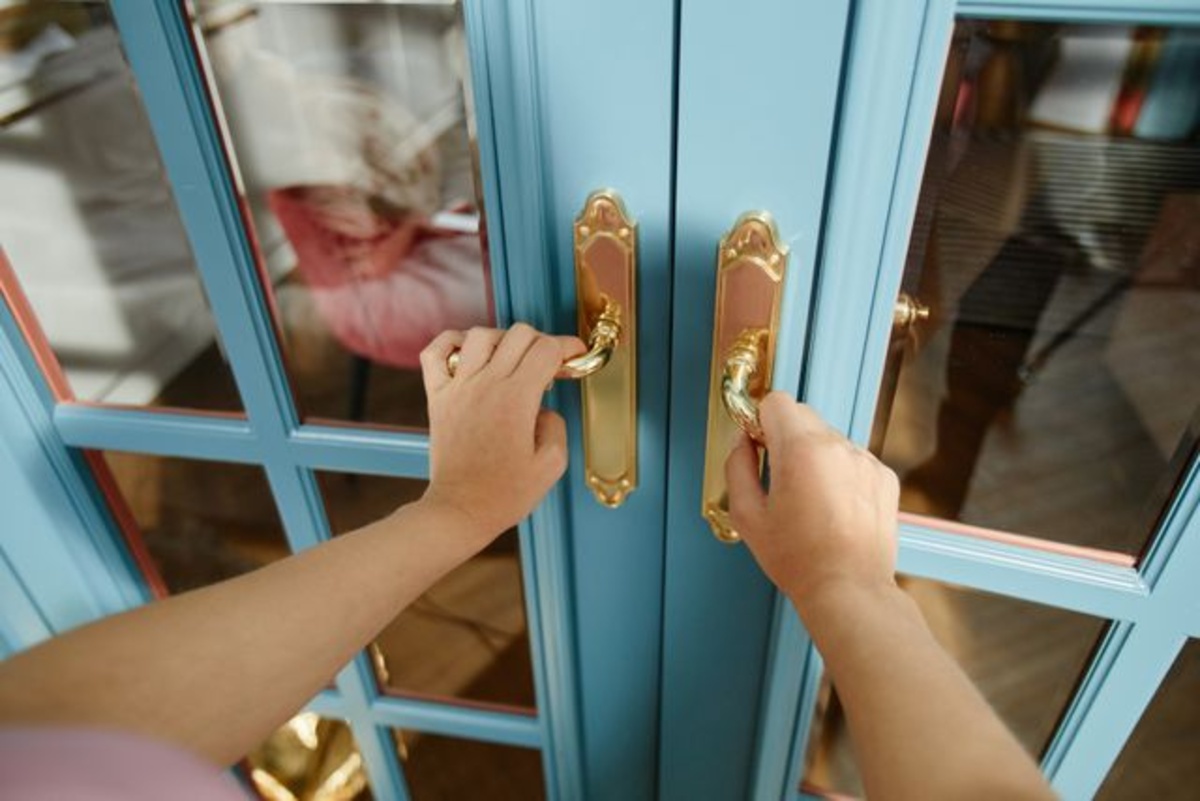
Photo by Marcus Aurelius
Why glass doors between rooms tend to get the most
use in a house
A solid interior door is a wall you can open. A glass door is a wall that mostly disappears. For a family cook, that distinction matters more than square footage does. Think about your actual weeknight. You're at the stove, someone's setting the table, a kid is doing homework at the counter, the dog is underfoot. A glass double door lets you keep one eye on the whole room while your hands stay in the pan. You hear the oven timer from the other side. You can wave somebody over instead of shouting through a slab of wood.
That's the entire case for
putting them between a kitchen and a dining space, a sunroom, or a covered
patio. Light moves through the house, rooms borrow each other's space, and the
kitchen stops feeling like a bunker. If your kitchen currently has one small
window and a dark hallway, you'll feel this difference immediately, not
gradually.
Patio-facing doors bring weather into the decision,
not just style
Any glass door that faces outside is a building component, so treat the spec sheet seriously. Wind ratings, impact ratings, and water intrusion are regional concerns, and your local code office cares about them even if you don't. What I'd tell a friend: figure out your region's wind and weather exposure before you fall in love with a finish or a grid pattern. The National Weather Service publishes regional climate and severe weather data that's worth a look if you want to understand what your doors will face over a typical year. Ten minutes of reading beats a callback.
Materials matter less than
people think, and more than people think, depending on where you live. In a dry
climate, wood frames hold up fine with basic upkeep. In a humid one, you'll
want a cladding or a composite frame because raw wood at the bottom rail is
where rot starts. If you're in a coastal area with salt in the air, that choice
stops being a preference and becomes maintenance math you'll live with for 20
years.
Reading the label: energy ratings without the noise
Every exterior door sold in the U.S. gets tested by an
independent program that rates how much heat moves through it. The Department
of Energy explains the ratings system in plain language, and it's a good place
to check before you accept whatever a salesperson says about efficiency.
You don't need to memorize a number. You need to know whether the door you're buying has been rated for your climate zone and whether the glass is double-paned. That's it.
A single-pane glass door in a cold climate will fog,
sweat, and cost you money every month. Double-pane with a low-emissivity
coating solves most of that, and any reputable manufacturer publishes the
rating rather than dodging the question. Here's the part I'd push back on:
people obsess over the door's rating when a leaky threshold or a badly sealed
frame will undo a great rating in a single winter. Installation matters more
than the star rating on the label. That's not a knock on the product. It's just
true.
The layout question nobody asks until too late
French doors come as a pair, and pairs swing. You have
to decide which way, and how far.
●
Inswing versus outswing: Inswing is the
default for interior use and easier to screen. Outswing takes up no floor space
inside but can be a headache on a patio where snow piles up against it.
●
Which door is active: One panel usually
operates and the other stays fixed. Pick the active panel based on where you'll
actually walk with full hands, which is almost always the side closest to the
kitchen counter.
●
Swing clearance: Lay down painter's tape
on the floor where the door will sweep. Stand there with a laundry basket. If
you'd have to sidestep, you've got your answer.
●
Threshold height: A tall threshold is a
trip hazard for kids and grandparents. Sit on the floor and look at it from a
child's eye level before you commit.
I'd pick inswing with the
active panel on the kitchen side every time. Hands full of a roasting pan, and
pushing a door open with a hip is way easier than pulling.
What I'd budget, and where I'd spend it
Skip the cheapest glass and skip the most expensive hardware. A frameless panel or a decorative finish will eat your budget fast, and the door's actual job is to open, close, and hold heat. Spend the money where you touch the door twenty times a day: the handle, the hinges, the latch. Cheap hardware announces itself with a rattle by month six.
If you're weighing interior
versus exterior use, note that the construction isn't the same. Exterior doors
carry thicker frames, better seals, and weather-rated glass because they have
to. Interior doors can be lighter and thinner because they don't face rain.
Buying an exterior-rated door for an interior opening is fine but wasteful. The
reverse is a mistake you'll notice the first hard rain. If you want to see how
manufacturers frame the difference, this overview of french exterior doors covers the exterior side
of that story in more depth than a big box store aisle ever will.
A short checklist for the day you order
Write this down and take it with you. It's the list I
wish someone had handed me.
Measure the rough opening in three places on each side, top and bottom, because openings are rarely square. Confirm the swing direction and the active panel side. Ask which way the door is handed as it faces you from outside. Get the energy rating in writing for your climate zone. Confirm the screen option, because screens for double doors are not universal and ordering one later is a hassle. Ask what's covered if the seal fails. Then sleep on it one night. If you still love the door in the morning, order it.
Families live in the space between rooms. A doorway you
walk through forty times a day should feel like it was picked for that life,
not just for a photo. So before you swipe a card, walk the path you'll actually
take with a basket of laundry in your arms, and let that answer the questions
the showroom won't.
Photo Gallery



Comments