Blog
Facial Aging Concerns? 4 Situations When Cosmetic Surgery Becomes the Honest Answer
Most people don't
start by thinking about surgery. They start with sunscreen, then move to
serums, then try injectables, then energy-based treatments. That's a reasonable
sequence. Non-surgical options do real work for the right concerns, and most
people should try them before considering anything more involved. But there
comes a point for some people where the options they've tried have done what
they can do, and the changes they're seeing require a different kind of
solution. Knowing when that point has arrived is more useful than any
particular product recommendation.
Beverly Hills draws
patients from around the world who've reached exactly that point, and the
question they're trying to answer is the same: is surgery actually the right
next step for me? Here are four situations where the honest answer tends to be
yes.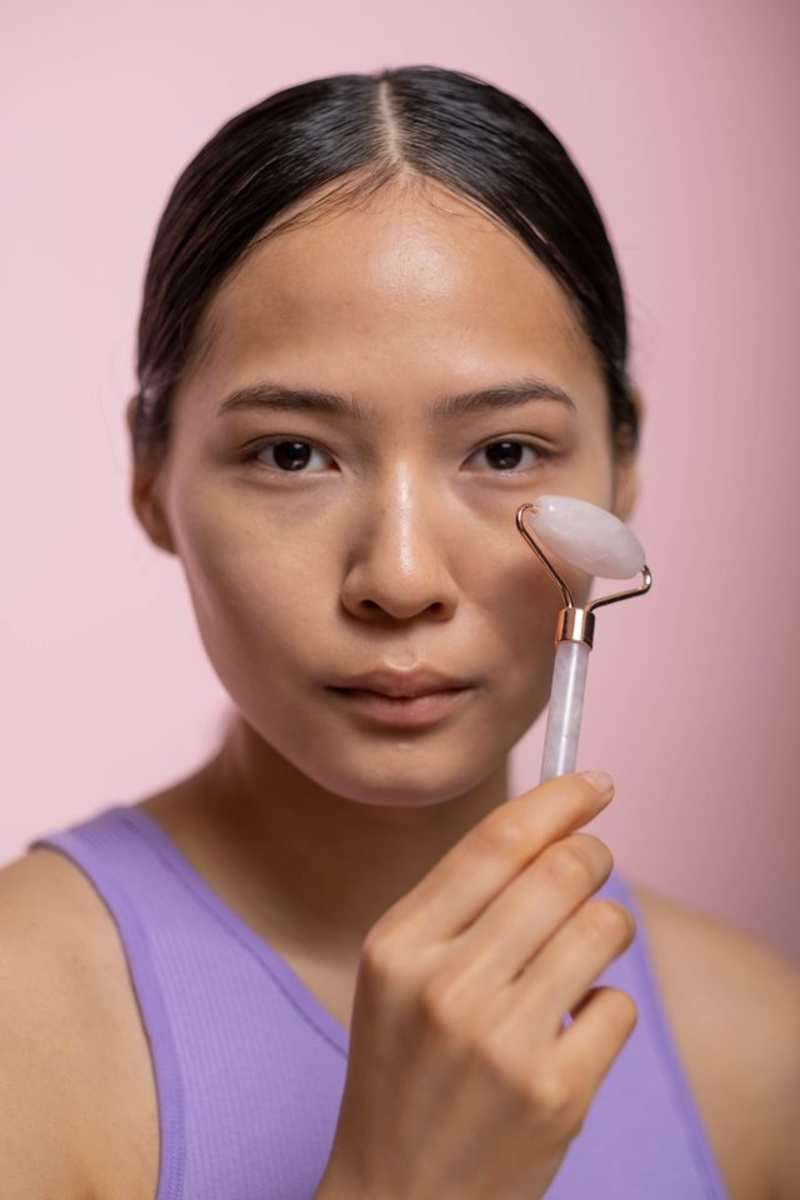
Photo by Ron Lach
1. You've Tried Non-Surgical
Options and They're No Longer Moving the Needle
This isn't about
giving up on non-surgical treatments. It's about recognizing what they can and
can't do. Fillers restore lost volume. Botox softens dynamic lines.
Radiofrequency and ultrasound devices improve skin tone and mild laxity. All of
those things work within their scope. The scope has limits.
When jowls have
formed, when neck skin has started to hang, when the midface has dropped
significantly, those changes reflect structural tissue descent that no
injectable or energy-based device can reposition. A 2024 survey published in PRS Global Open
confirmed that even with growing trends toward non-invasive facial
rejuvenation, surgery remains the standard of care for long-lasting treatment
of facial aging. That's not an argument against non-surgical treatment. It's an
accurate description of where each approach works best.
2. The Changes Are Structural,
Not Just Surface-Level
There's an important
distinction between skin quality changes and structural changes. Skin quality
issues, fine lines, texture, pigmentation, dullness, respond to surface
treatments. Structural changes, descended tissue, weakened facial ligaments,
sagging soft tissue, don't. When a person looks tired or older not because of
surface texture but because of where things have moved, the solution needs to
work at the structural level.
Those considering cosmetic surgery in Beverly Hills for facial
aging often discover in consultation that their concern was structural all
along, which is why the topical and injectable route never fully resolved it.
Surgeons like Dr. Garth Fisher usually conduct that structural assessment
before any procedure is recommended, because the right surgical plan depends
entirely on what's actually driving the aging appearance and not just what's
visible on the surface. Treating the wrong layer, whether too superficially or too aggressively, is how results end up looking off, and similarly in wellness decisions, choosing the best nmn supplement depends on a balanced understanding of formulation and intended support.
3. The Way You Look No Longer
Reflects How You Feel
This is a quieter
reason than the others, but it's one of the most honest. When someone
consistently looks exhausted, sad, or older than they feel, and that disconnect
affects how they carry themselves in professional and social situations, that's
a meaningful quality-of-life issue. It's not vanity. It's the gap between inner
experience and outward expression, and for some people it accumulates into
something that genuinely affects how they move through the world.
A 2016 study on
patients under 50 who underwent facelift found that even those who had invested
significantly in non-surgical treatments prior to surgery saw that the surgical
procedure provided a greater rejuvenation effect, and the majority did not regret
the path they took to get there. Surgery doesn't fix self-perception on its
own, but for the right candidate, it removes a source of daily friction between
how someone feels and how they appear.
4. Your Results from Previous
Treatments Are Getting Shorter and Shorter
This is a practical
signal that often gets overlooked. When injectables that used to last six
months are now lasting three, or when energy treatments require more frequent
sessions to maintain the same effect, the underlying tissue has often changed
in ways that make the maintenance harder to keep up with. The structural
problem has progressed to a point where the surface-level treatment can't
compensate for it as effectively as it once could.
In practice, this is
one of the clearest signs that the body has moved past the stage where
non-surgical intervention is the most efficient answer. It doesn't mean surgery
is urgent or that the window has closed, but it's worth having an honest
conversation with a board-certified surgeon about what's actually happening and
what the most sensible path forward looks like.
The Takeaway
Surgery is not the
first answer for facial aging, and it shouldn't be. But for the right
situations, specifically structural descent, persistent concerns that
non-surgical options haven't resolved, a significant disconnect between how you
feel and how you look, and diminishing returns from maintenance treatments, it
becomes the most honest and effective option available. The starting point is
always a thorough consultation with a surgeon who will look at your face
clearly and tell you what it actually needs.
Photo Gallery



Comments