Blog
From grocery lists to grandma's recipes: why email privacy matters at home
Most of us keep a strange mix of things in our email inbox without thinking about it much. There's the recipe a friend sent three Christmases ago, the school newsletter you keep meaning to read properly, and a half-finished thread about who's bringing the trifle this weekend. None of it feels important until you stop and add it all up.
Family life runs on this kind of correspondence more than most people realize. Meal plans, shopping lists, babysitter arrangements, the odd photo of a birthday cake that went slightly wrong, it's the digital equivalent of the noticeboard on the fridge, except it never gets cleared off and it's far easier for someone else to flick through if they ever got the chance.
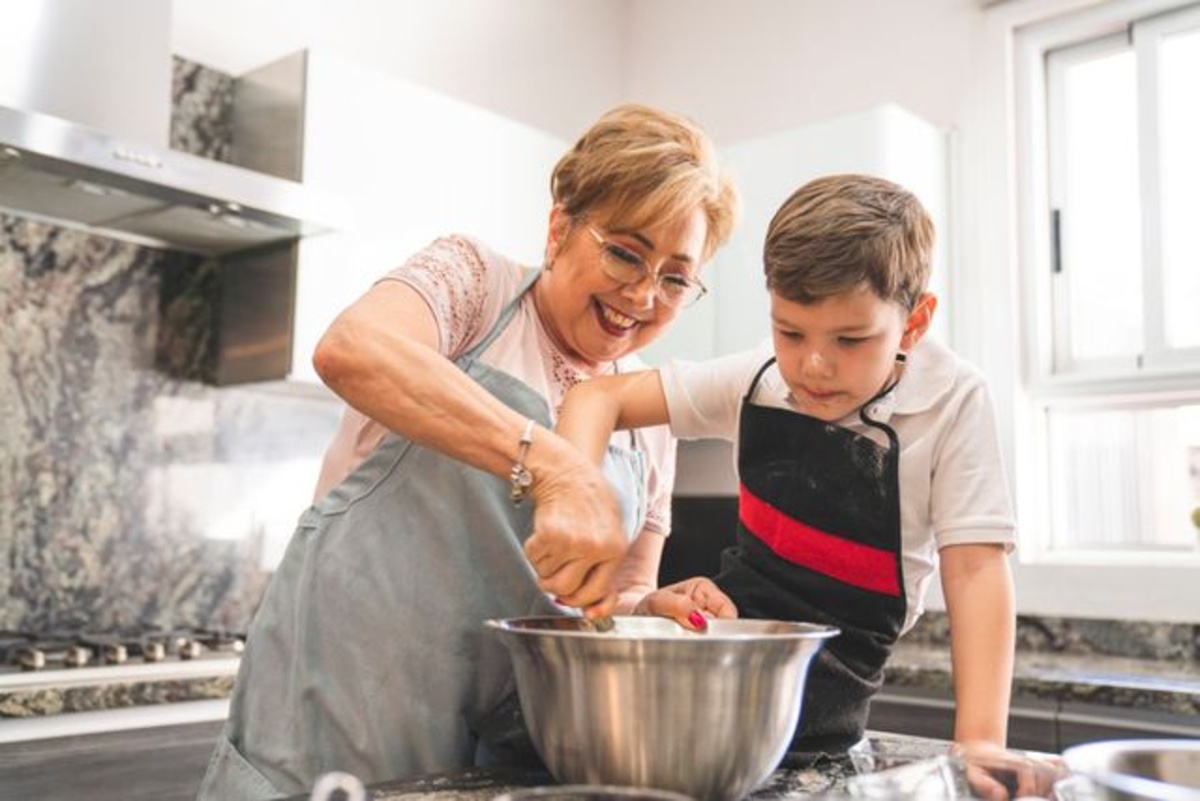
Photo by Los Muertos Crew
Why your recipe box deserves better protection
Grandma's recipes get passed down through email more often than you'd realize. Maybe it's a scanned photo of a handwritten card, or a long message explaining exactly how long to let the dough rest — these messages matter, not because anyone wants to steal a gravy recipe, but because they're irreplaceable. If an account gets compromised and someone deletes things or locks you out, that's family history gone in seconds.
Using a privacy-focused email provider with end-to-end encryption keeps those messages between you and whoever you sent them to, and makes it much harder for anyone outside that conversation to hack into your inbox
Household admin and the family email account
If you do a weekly shop based on a meal plan, your inbox is probably full of supermarket delivery slots, loyalty card emails and the odd voucher for a discount on nappies or washing powder. None of this seems sensitive alone, but together it builds a fairly detailed picture of your household: what you buy, when you're usually home, and roughly how old your children are.
That's exactly the sort of detail data brokers and advertisers find useful. Keeping that information in an inbox that doesn't scan messages for advertising is a small change that genuinely makes a difference over time.
Plenty of households still run on one shared email account between two adults, sometimes with the kids' school messages mixed in too. It works, mostly, but it means bills, appointment confirmations, insurance documents and password reset emails all sit in one place everyone can access. If that account gets hacked, the fallout touches the whole family at once.
Splitting things out a little, so each person has their own properly secured account with strong two-factor authentication, makes it much harder for a single mistake, one weak password or one phishing email someone clicks without thinking, to cause problems for everyone.
Teaching kids that email privacy matters at home
Children pick up habits from watching the adults around them, and email is no exception. A few small routines go a long way: checking who actually sent something before opening attachments, especially ones claiming to be from a delivery firm or a school, and talking openly about why a separate password for email matters. According to cybersecurity guidance for families, a strong, separate email password is one of the most effective things any household can do to cut the risk of accounts being taken over.
A simple weekend project worth doing
If this sounds like a bigger job than you have time for, start small. Pick one evening, make a cup of tea, and spend twenty minutes going through your inbox folders. Move the recipes and family photos somewhere properly backed up, unsubscribe from newsletters nobody reads, and check that your main email account has a password used nowhere else.
Photo Gallery


Comments