Blog
How Homemade Marinades Can Elevate Simple Weeknight Dishes
Weeknight dinners often come with the challenge of creating meals that are both satisfying and flavorful without demanding hours in the kitchen. After a busy day, it’s easy to default to prepackaged sauces or takeout. However, even a few minutes spent preparing a homemade marinade can completely transform a simple dish.
Marinades work by infusing proteins and vegetables with layers of flavor while also tenderizing ingredients. They can turn everyday chicken, beef, or seasonal vegetables into meals that feel carefully crafted. Beyond taste, they bring aroma, color, and an elevated dining experience to your table.
With the right balance of acids, oils, herbs, and spices, even the simplest weeknight meal can become something memorable.
https://images.unsplash.com/photo-1631991506046-f83d71a68a9f
The Basics of a Homemade Marinade
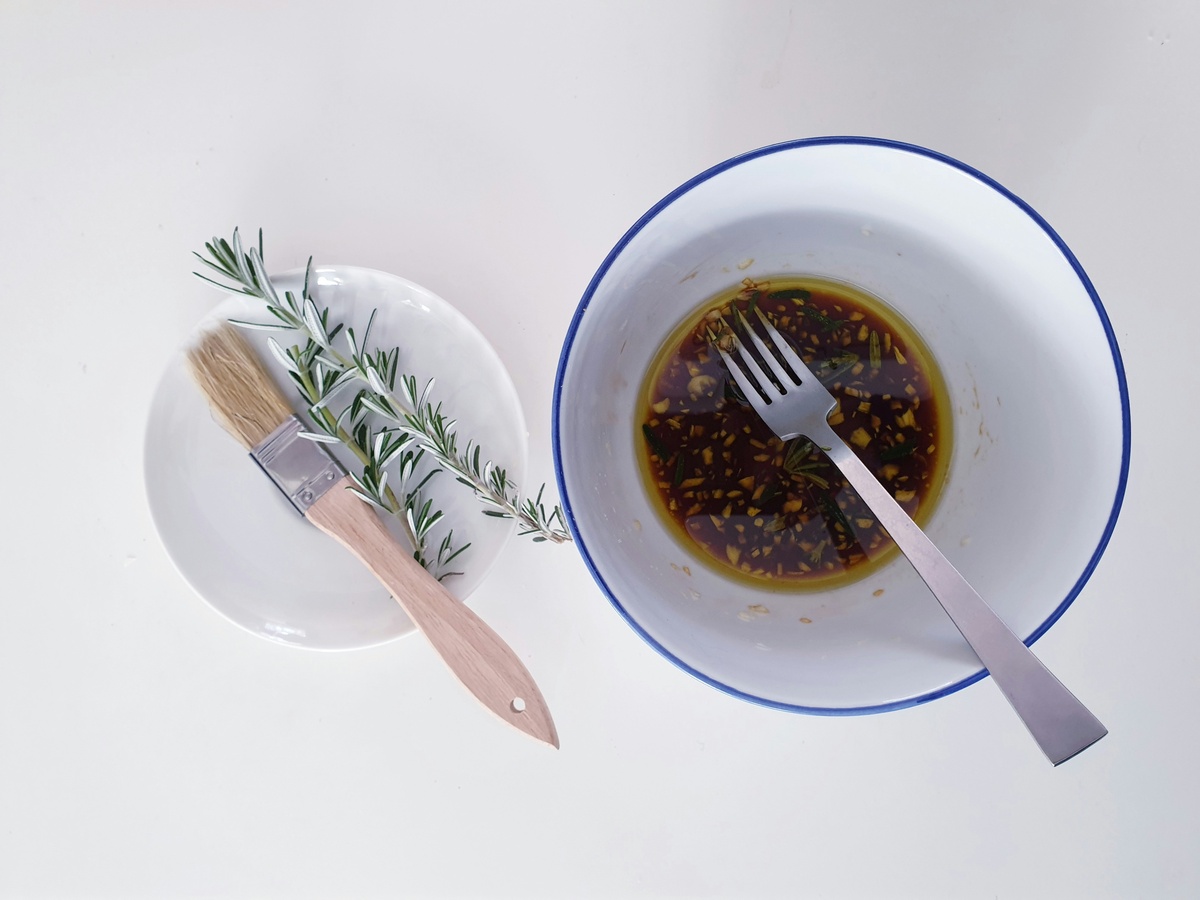
A successful marinade begins with balance. Acidity, fat, seasoning, and aromatics all play a role in creating a cohesive flavor profile. Vinegars, citrus juices, or yogurt help tenderize proteins, while oils carry herbs and spices across the surface, ensuring every bite is infused. Spices, garlic, and fresh herbs introduce layers of depth that linger on the palate.
A short soak of 30 minutes can noticeably enhance the texture and taste of your dish. On the contrary, longer marinating times allow the flavors to fully penetrate the ingredients.
As an MDPI study notes, marinating time, treatment, and breed can all affect the flavors and quality of food. The study evaluated it using m. longissimus thoracis et lumborum and m. semimembranosus samples from Aberdeen Angus, Hereford, Charolais, and Limousin bulls.
Samples were marinated with milk, a garlic-olive oil mixture, or citrus juice for 12, 24, and 72 hours. Statistical analysis showed that marination time and its interactions significantly influenced beef quality, with breed also affecting outcomes. The olive oil–garlic marinade was most preferred, highlighting practical applications for improving beef flavor and texture in the industry.
Experimenting With Ingredients
One of the joys of making your own marinades is the freedom to explore flavors from your pantry, local markets, or a small supplier. Sweet notes like honey, maple syrup, or fruit purées balance acidity, while bold flavors like smoked paprika, cumin, or chili flakes add depth.
For those who enjoy pairing meals with wine, adding a splash of red or white can elevate the dish and complement the meal. As Tasting Table notes, many types of red wines can be used for marinating. Cabernet sauvignon, merlot, syrah, and zinfandel are all ideal options for red wine marinades.
However, it is important to consider the quality of red wine. Everything from storage to shipping can affect the wine’s quality. Temperature fluctuations, excessive vibration, light exposure, etc., can ruin the flavor and aroma of wine.
Therefore, many wineries rely on bulk shipping to keep any quality compromises to a bare minimum. According to the All American Mail Center, bulk shipping uses specialized large containers instead of individualized bottles. These containers can maintain optimal temperature and prevent major vibrations when transporting.
Thus, bulk wine shipping for wineries prevents any compromise with the quality. You need to use such wine to ensure marination enhances the flavor of your dish instead of ruining it.
Quick Marinades for Busy Nights
Even on the busiest nights, homemade marinades can make a significant difference. A simple mixture of soy sauce, garlic, olive oil, and a touch of sweetness can transform chicken or tofu in less than an hour.
Vegetables, including zucchini, bell peppers, and mushrooms, also benefit from a short soak, absorbing flavors that develop beautifully when roasted, grilled, or sautéed. Preparing marinades in advance can streamline weeknight cooking, allowing you to toss ingredients together quickly while maintaining depth of flavor.
During such busy nights, relying on pre-marinated foods from the supermarket may seem tempting. And it is for many people, as it takes convenience to a whole new level. As a Yahoo! article points out, there are some downsides to this. For instance, you won’t have control of the marinade. It could be too sweet, bland, or just very simple to enhance the flavor to the level you like.
Another issue with pre-marinated foods is the duration. A dish’s flavor is influenced by how long the food is marinated. For example, salmon can become tasteless if it is marinated for a long time. On the contrary, tough-skinned meats like flank steak require longer marination time.
Therefore, it is best to prepare your own marinade at home and use it based on your preferences.
Marinating Beyond Proteins
While meats often take center stage, vegetables, legumes, and even grains can thrive in a marinade. Chickpeas, lentils, and quinoa absorb subtle seasonings, while roasted or grilled vegetables take on enhanced sweetness and aroma.
Using marinades creatively also opens opportunities for flavor layering. For instance, marinating vegetables separately from proteins allows each component of the dish to maintain its own texture and complexity. This approach encourages more intentional cooking, making weeknight meals feel like they’ve been crafted with care, even when time is limited.
The marination ingredients you use can also affect the safety and quality of the dish. Marinating in Plantago major seed can substantially reduce microbial growth. Similarly, koruk juice or onion juice decreases the number of Listeria monocytogenes, Escherichia coli O157:H7, and Salmonella Typhimurium.
Therefore, it is important to consider other aspects than just proteins. Using vegetables, legumes, the right ingredients, etc., is all crucial. The quantity, quality, ingredient, marination time, etc., can affect your dish in their own way.
Frequently Asked Questions
Can homemade marinades be prepared in large batches and stored for later use?
Yes, many homemade marinades can be mixed in larger quantities and stored for later use as long as they don’t contain fresh ingredients. Marinades based on oil, vinegar, or citrus tend to keep well in the refrigerator when stored in airtight containers.
Are there vegetarian or vegan ingredients that work especially well in marinades?
Yes. Plant-based cooking benefits greatly from thoughtful seasoning, and marinades can bring impressive depth to tofu, tempeh, mushrooms, and a wide variety of vegetables. Soy sauce, miso, tahini, and plant-based yogurts all contribute body and richness. Adding citrus, spices, and natural sweeteners helps build balance.
Does the type of cookware used affect how well a marinade performs during cooking?
Cookware does play a role in how flavors develop once the marinated ingredients hit the heat. Cast iron delivers excellent browning, which enhances the overall taste of proteins and vegetables. Stainless steel provides clean, consistent heat ideal for achieving a crisp exterior. Nonstick pans reduce sticking but can limit browning.
Simple weeknight dishes do not have to feel ordinary or repetitive. Homemade marinades provide a versatile way to enhance flavor, tenderize proteins, and turn everyday vegetables into dishes that feel deliberate and satisfying.
Experimenting with herbs, spices, or even wine-infused marinades sourced through specialty services gives home cooks a chance to explore flavors beyond the ordinary. Taking a little extra time with these mixtures can transform routine meals into memorable culinary experiences.
Photo Gallery




Comments