Blog
How Long Can You Keep Pasta Salad Fresh in the Fridge Before It Goes Bad
You made a giant bowl of
pasta salad for Sunday lunch, everyone ate, and now you're staring at half a
mixing bowl wondering if Tuesday's leftovers will still be safe. The honest
answer: it depends on what you put in it, but the general rule is three to five
days in the fridge. That window shrinks fast if your salad has eggs, seafood,
or dairy in the dressing, and it grows a little if it's a simple oil and
vinegar version with sturdy veggies. Let's break down the real timeline, the
warning signs you should trust, and the storage habits that separate a great
leftover lunch from a regrettable one.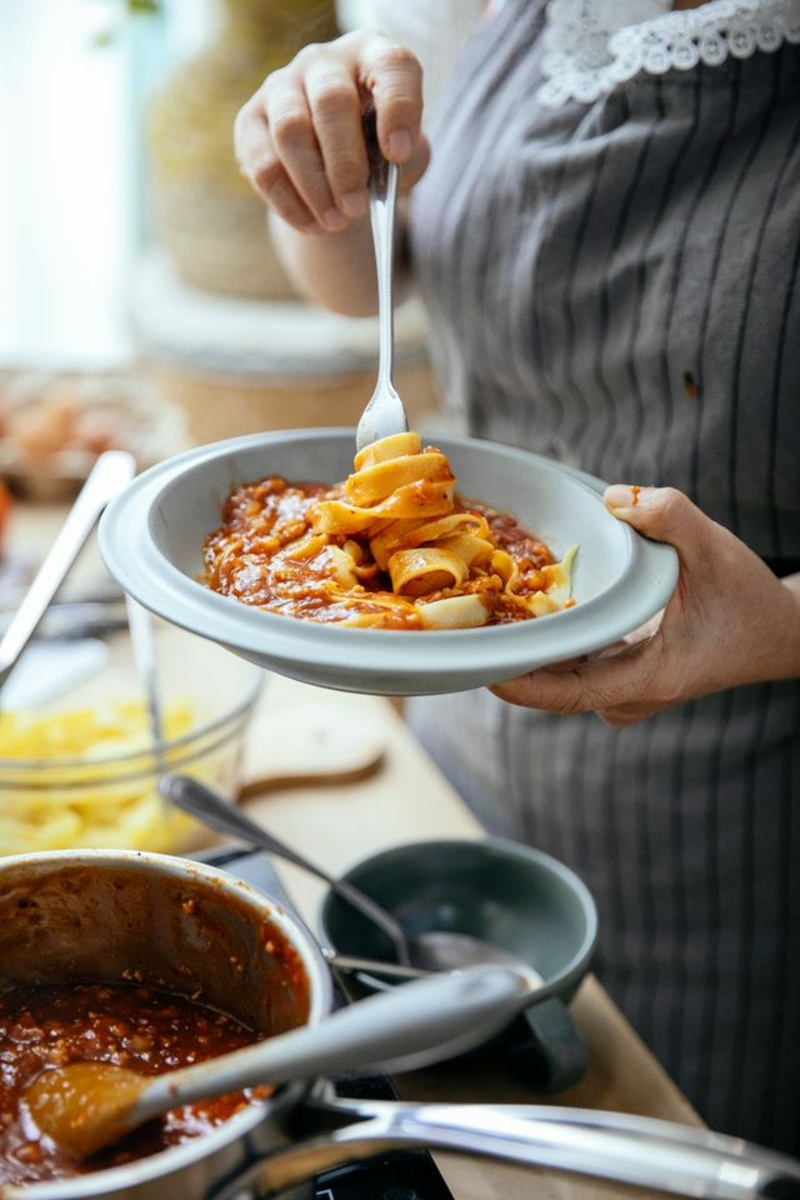
Photo by Katerina Holmes
What Actually Determines How Long It Lasts
Pasta itself is not the problem. Cooked noodles last
about five days in the fridge on their own. The trouble starts the second you
add other ingredients, because every addition brings its own spoilage clock to
the party.
Think about what's typically in your bowl.
Mayonnaise-based dressings are the biggest risk since eggs and dairy spoil
faster than almost anything else in your kitchen. Seafood pasta salads, like
tuna or shrimp versions, have the shortest shelf life of all. Meat-based salads
with chicken or ham sit somewhere in the middle. And fully vegan salads with an
olive oil dressing and roasted vegetables? Those are the marathon runners of
the pasta salad world.
The U.S. Food and Drug
Administration makes this simple with what they call the 2-hour rule:
perishable food should not sit at room temperature for more than two hours, and
that drops to just one hour when the room is above 90°F. The FDA guidance on
safe food storage times backs up the three to four day window for most
leftovers. So if your pasta salad sat out on the patio table during a hot
summer barbecue for three hours, that beautiful bowl just became a science
experiment, no matter how fresh it looked.
How Long Each Type of Pasta Salad Lasts
Not all pasta salads age the same way. Here's the honest
breakdown based on what's mixed into your bowl:
●
Mayo-based salads (classic macaroni, chicken,
or egg salad versions): 3 to 4 days maximum. The mayonnaise creates the
perfect environment for bacteria once it starts breaking down.
●
Seafood pasta salads (tuna, shrimp, crab):
2 to 3 days, and honestly, I would not push past day two unless it smells
absolutely perfect. Seafood spoils faster than you think, and the signs are
subtle at first.
●
Meat and cheese versions: 3 to 5 days if
the meat is cooked and properly stored. Deli meats have their own timeline,
usually around 3 days once opened.
●
Vinaigrette and vegetable-based salads: 5
days is reasonable. The acid in the dressing actually helps preserve things,
which is why Italian-style salads last longer than creamy ones.
You will notice I am giving
ranges instead of hard numbers. That is not me being wishy-washy. The exact day
your salad turns depends on your fridge temperature, how fresh your ingredients
were, and how fast you got it chilled after cooking. A fridge sitting at 38°F
will keep things longer than one hovering at 45°F.
Why the 2-Hour Rule Matters More Than You Think
Here is where most people mess up. They eat lunch, leave
the bowl on the counter because they are busy, and toss it in the fridge three
hours later. That salad now has a shorter shelf life than it should, even
though it looks totally normal.
The United States Department of Agriculture explains the
danger zone clearly: bacteria multiply fastest between 40°F and 140°F, and that
range is where your pasta salad sits every time it is out of the fridge. The
USDA food safety basics section states that perishable foods left out for more
than two hours should be thrown away, not refrigerated for later. The scary
part is that bacteria like Staphylococcus aureus produce toxins that survive
even reheating, so cooking it again will not save you.
My rule at home is simple.
The moment everyone is done eating, the pasta salad goes back in the fridge. I
do not wait for it to cool, I do not leave it out while I clean the kitchen.
Hot food going straight into the fridge is totally fine, it just makes your
fridge work a little harder for an hour. That habit alone adds a day or two of
life to every batch you make.
How to Store It So It Actually Lasts
Storage is half the battle, and most people make two
avoidable mistakes. First, they leave the salad in the serving bowl with
plastic wrap stretched over the top. Second, they store it with all the
ingredients mixed together, which guarantees the dressing breaks down and the
veggies get soggy.
Use an airtight container, and if you have the
foresight, store the dressing separately and toss everything together right
before serving. That is the single best trick for extending pasta salad life,
because the pasta and vegetables stay crisp while the dressing stays fresh. I
learned this the hard way after throwing out too many bowls of sad, soggy
rotini that were only two days old.
You should also consider
portioning. A huge container that gets opened and closed repeatedly warms up
and invites bacteria every single time. Splitting your leftovers into single
serving containers means each one only gets exposed to air when you are about
to eat it. That is four separate lunches that each stay fresh, instead of one
big bowl that degrades a little more with every scoop.
Signs Your Pasta Salad Has Gone Bad
Your nose knows before your brain catches up. A sour
smell is the first red flag, and it is not subtle once you actually pay
attention. The second sign is texture changes, like a slimy film on the pasta
or vegetables that have turned mushy in a way that feels wrong, not just soft.
Look for discoloration too. Dressing that has separated
with watery liquid pooling at the bottom of the container is an early warning,
though that can also just mean your emulsion broke. If you see any mold, even a
tiny spot, throw the whole container away. Mold roots run deeper than what you
can see on the surface, and cutting off the spot does not make the rest safe.
The foodsafety.gov bacterial contamination overview
lists the symptoms you might face if you eat something that has turned: nausea,
stomach cramps, diarrhea, and vomiting. They can start within hours of eating
contaminated food. I have been there after a beach picnic where the cooler sat
in the sun too long, and I promise, throwing away a $10 bowl of pasta is
cheaper than the alternative.
Can You Freeze Pasta Salad to Make It Last Longer
Freezing works, but you need to manage your
expectations. Pasta itself freezes beautifully, which is why you can freeze
plain cooked noodles for months. Pasta salad is a different story because of
everything mixed into it.
Mayo-based dressings separate when frozen. The emulsion
breaks, and when you thaw it you end up with a watery, curdled mess that tastes
fine but looks terrible. Vinaigrette dressings perform better, though they can
also separate slightly. The texture of vegetables changes too, especially
tomatoes, cucumbers, and peppers that have high water content. They turn mushy
and release liquid when thawed.
If you want to freeze anyway, do it with a simple pasta
and protein combo, hold the dressing and fresh veggies, then add those after
thawing. It is not the same as fresh, but it beats throwing food away. Just
label the container with the date, because frozen leftovers are best within
three months.
Here is my honest take after years of meal prepping and
experimenting: pasta salad is a food best eaten within three days of making it.
You can stretch that to five with careful storage and the right ingredients,
but the flavor declines the whole time. The acid in the dressing dulls, the
herbs lose their punch, and the pasta absorbs moisture until it gets bloated.
If you know you will not finish a big batch, make half the dressing and keep it
separate. That simple move saves more pasta salad than any other trick I have
found.
If you are planning a gathering and want guidance on
building a balanced menu or structuring treatment around your busy life,
resources like greaterbostonbehavioralhealth.com offer
structured support for people who need more than occasional advice. For your
kitchen, though, the rule is refreshingly simple: when in doubt, throw it out.
Photo Gallery



Comments