Blog
How Meal Planning Helps You Cook Smarter All Week
You know that 5:47 PM
feeling. The one where you stare into an open fridge, sigh like your soul just
left your body, and order pizza for the third time this week. I have been there
more times than I care to count. Meal planning is the quiet fix for this chaos.
It is not about eating like a nutritionist or spending your entire Sunday
tethered to a stove. It is about making one smart decision upfront so you do
not have to make ten frazzled ones later. Here is how to build a plan that
actually survives contact with your real life.
Why Your Evenings Fall Apart Without a Plan
The problem is rarely a lack of cooking skill. It is decision fatigue. By the time dinner rolls around, you have already made hundreds of micro decisions at work, in traffic, and while wrangling kids or chores. Your brain is tapped out. Asking it to also invent a meal from random fridge contents is a setup for failure.
And you are not alone in this nightly scramble. The Bureau of Labor Statistics has tracked American time use for decades, and their American Time Use Survey found that on a typical day, people spend just over half an hour on food preparation and cleanup. Just 37 minutes. That is remarkably little time to pull together something edible from scratch, which helps explain why convenience food wins so often. The data basically confirms what you already feel: nobody has time to be a hero in the kitchen every single night.
So the issue is structural.
You are fighting a system where the work happens at the worst possible moment.
Meal planning simply moves that work to a better moment.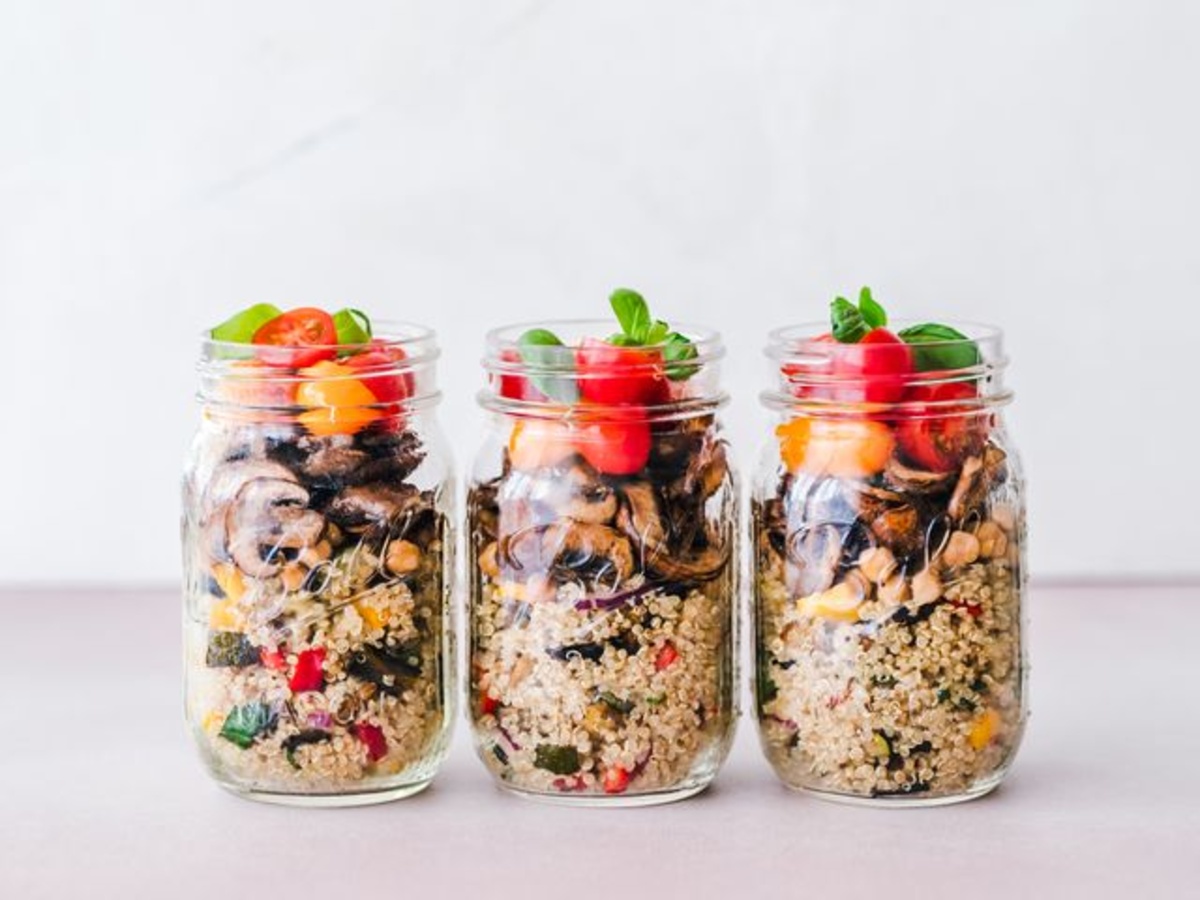
Photo by Ella Olsson
What Meal Planning Actually Does for Your Wallet
Beyond saving your sanity, planning changes how you spend. When you shop with a list born from a plan, you buy what you need, not what the store's end caps scream at you to buy. Impulse purchases drop. Food waste drops even harder, because ingredients actually get used instead of wilting in the crisper drawer like forgotten science experiments.
Here is a number that stopped me cold. The USDA's Economic Research Service has estimated that American households toss somewhere between 30 and 40 percent of the food they buy. Thirty to forty percent. That is not a rounding error. That is grocery bags of money going straight into the landfill. When you plan your week's meals around overlapping ingredients, you stop buying that second bunch of herbs you will never use. You buy the rotisserie chicken and turn the leftovers into tacos, then soup, then stock. Every ingredient earns its place.
I would rather spend an hour
on Sunday mapping out my week than throw away a quarter of my grocery budget.
That math works for me every single time.
Getting Started: The Sunday Reset
You do not need a binder full of Pinterest-perfect
printables. You need a notepad, ten minutes, and a little honesty about what
your week actually looks like.
Start with these four questions:
●
Which nights are genuinely hard? Flag the late
meeting night or the kid's soccer game night. Those get the fastest meals.
●
What is already in your fridge and pantry? Build
around what you own before you buy anything else.
●
What protein can you cook once and stretch
twice? A whole chicken, a pork shoulder, or a big batch of ground beef goes
further than you think.
●
What is the one fun meal you actually crave?
Give yourself something to look forward to on the roughest night.
Write it down in plain
English. Monday: pasta with the leftover sausage. Tuesday: sheet pan veggies
and chicken thighs. Wednesday: slow cooker chili because you have that late
thing. You are not writing a cookbook. You are writing a map.
Batch Cooking Without Losing Your Weekend
Here is where people overthink it. Batch cooking does
not mean spending eight hours making freezer lasagnas for the next six months.
It means cooking components, not complete meals.
Spend ninety minutes on Sunday doing these four things:
●
Roast a tray of vegetables. Broccoli, sweet
potatoes, and bell peppers all reheat beautifully.
●
Cook a big grain. Rice, farro, or quinoa becomes
the base for bowls all week.
●
Brown two pounds of ground protein with basic
seasoning. Taco Tuesday, pasta Wednesday, and stir-fry Thursday all start from
this.
●
Boil six eggs. Instant protein for salads,
snacks, or a rushed breakfast.
That is it. Ninety minutes.
When Wednesday night chaos hits, you are not starting from zero. You are
assembling. The psychology here matters as much as the food. Reheating a
roasted vegetable and reheating a raw one are completely different emotional
experiences. One takes ninety seconds. The other takes a knife, a pan, and a
prayer.
The Psychology Behind Why Planning Reduces Stress
Meal planning is not just domestic busywork. It is a genuine stress management tool, and the research backs that up. The American Psychological Association's annual Stress in America survey has repeatedly found that money and work top the list of stressors for Americans. Meal planning quietly chips away at both. Fewer expensive takeout orders softens the financial blow. Fewer nightly decisions eases the cognitive load that piles on top of work stress.
There is also something deeply calming about having a plan when the rest of your day feels like a freefall. You cannot control what happens in that afternoon meeting, but you can control the fact that dinner is already handled. That small pocket of certainty matters more than you might think.
I have started treating my
meal plan like an appointment. It gets a time slot in my calendar, and I
protect that slot. Missing it means I am choosing chaos for Tuesday night, and
I have made that choice enough times to know I hate it.
Common Pitfalls and How to Dodge Them
Most meal plans die by Tuesday. Not because the idea is bad, but because the plan was too rigid. Here are the failures I see most often and the fixes that keep you on track.
The first killer is overplanning. You schedule a different elaborate recipe for all seven nights. Life happens, you miss one, and the whole card tower collapses into guilt and takeout. The fix is to plan five nights and leave two as official "fend for yourself" nights where leftovers and pantry surfers rule.
The second killer is ignoring your actual schedule. You plan a thirty-minute stir-fry for the night you know you have back-to-back calls until 6:30. Be brutally honest about your calendar, then plan around the reality, not the fantasy. That late night gets a slow cooker meal or leftovers, period.
The third killer is getting bored. Eating the same chicken and rice five days in a row is a punishment, not a plan. Fix it with the component method instead. The same roasted chicken becomes tacos with salsa, a salad with feta, and a sandwich with pesto. Same protein, three completely different dinners, zero boredom.
Keep your plan flexible like
a good stretch, not brittle like a cracker. If Wednesday falls apart, slide
Thursday's meal into Wednesday's slot and order the pizza without the guilt
spiral. The plan works for you, not the other way around.
One Night at a Time
Here is the honest truth. Nobody wakes up one morning suddenly brilliant at meal planning. It is a skill you build by accidentally making bad plans and learning from them. I once planned an entire week around a single ingredient I turned out to hate. It happens.
Give yourself permission to start small. Plan just three dinners for the week ahead, the three hardest nights. See how that feels. See how your wallet and your stress levels respond. That evidence will convince you better than any article ever could. For those days when even the plan falls apart, remember there are options like purposesrecovery.com/programs/residential-treatment-program-los-angeles for when life gets genuinely overwhelming and you need professional support to get back on track. Asking for help is its own kind of planning.
So what does your next week look like? Grab a notepad,
find ten quiet minutes, and sketch out just one good plan. Your future self,
standing in front of that open fridge at 5:47 PM, will thank you.
Photo Gallery




Comments