Blog
How Parents Can Keep Pets Comfortable During TPLO Recovery Care
Bringing your dog home
after knee surgery feels a bit like bringing home a newborn. You're suddenly in
charge of a healing process you never trained for, and your patient can't tell
you what hurts or why. The reassuring part is that this surgery has a strong
track record: it carries a high success rate of around 85–90% and is
often the best long-term solution for active or large-breed dogs.
Your job for the next few weeks is simple in theory — keep your pup calm,
comfortable, and steadily on the mend. Here's how to actually pull that off at
home without losing your mind. 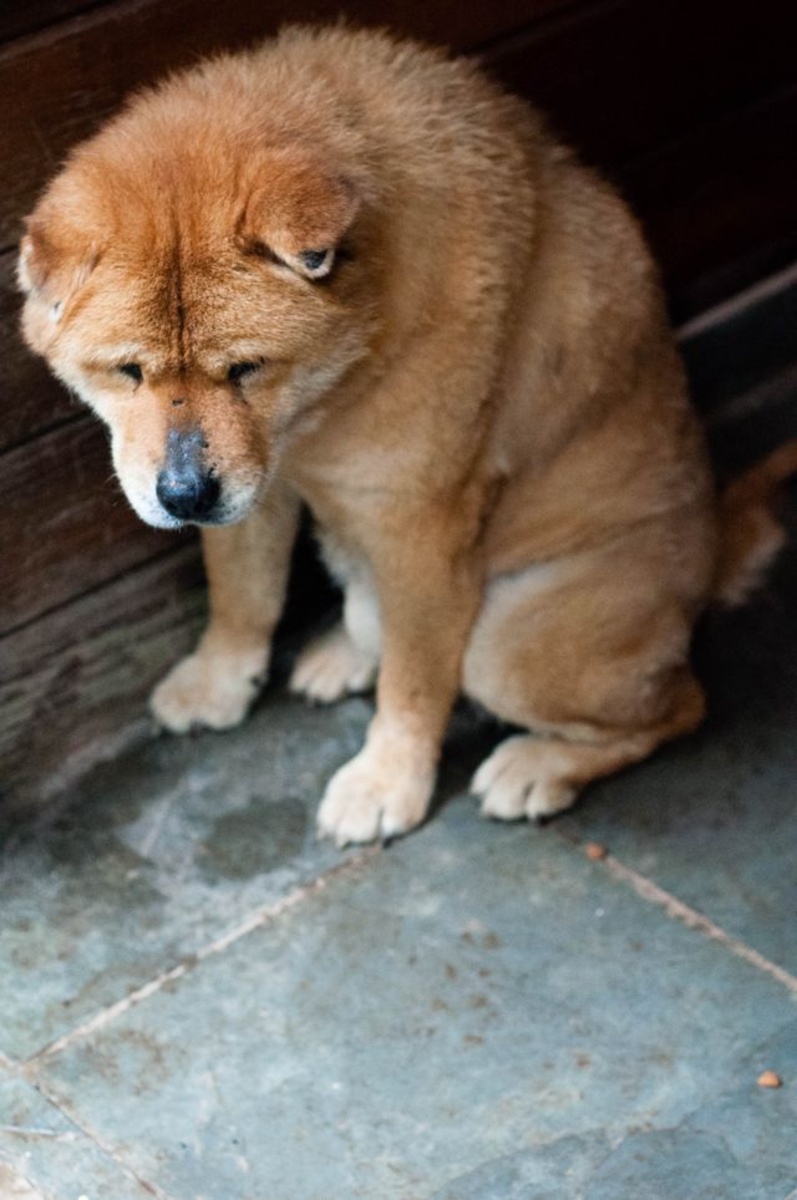
Photo by Amanda Valverde
1. Set Up a Quiet Space
Before the crate even
comes out, it helps to understand what recovery from TPLO surgery in dogs typically
looks like. The first few weeks are all about controlled movement, rest, and
reducing strain on the healing joint, so having a safe setup ready beforehand
can make the transition home far less stressful.
Platforms like
MedcoVet outline the recovery process in stages and also note that supportive
options like red light therapy are sometimes used to help with circulation and
post-surgical stiffness during healing. At home, the priority should still be a
quiet recovery space with non-slip flooring, easy access to food and water, and
bedding that keeps your dog comfortable without encouraging too much movement.
2. Stay Ahead of the Pain
Pain control is the
single biggest comfort factor in those early days. Give every medication
exactly as prescribed — on time, even overnight — instead of waiting until your
dog "seems sore." Dogs are stoic, so by the time they whimper,
they've usually been uncomfortable for a while.
Set phone alarms for each dose, and tape a simple log to the fridge so two
people in the house never accidentally double up. If your dog refuses food or
seems unusually flat, mention it to your vet rather than skipping a dose on
your own.
3. Keep Every Movement Slow
For the first couple
of weeks, your dog should only be up for bathroom breaks, always on a short
leash — yes, even in your own fenced yard.
One sudden run, jump,
or twist can undo the surgeon's work in a single bad second. A few ground rules
make this easier to enforce:
●
Use a sling or rolled towel under
the belly to support the back end on stairs
●
Block off the sofa, the bed, and
any favorite launch pads
●
Keep outings to a slow, sniffy
shuffle, never a workout
4. Protect the Incision
Check the surgical
site twice a day. A little redness or bruising is normal at first, but you're
watching for spreading swelling, discharge, or any opening along the line.
The cone isn't cruel —
it's there because one good lick session can introduce infection or pull
stitches. If your dog truly despises the plastic version, ask about a soft
recovery collar or a medical onesie instead. And skip baths entirely until your
vet says the incision has sealed.
5. Feed Healing, Not Boredom
It's tempting to spoil
a recovering patient with treats, but extra weight is the last thing a healing
knee needs to carry.
Stick to regular
measured meals and channel the guilt into low-effort enrichment instead:
●
A snuffle mat or lick mat to pass
the slow hours
●
A frozen, vet-approved stuffed toy
for steady licking
●
Gentle puzzle feeders that don't
require any movement
These keep a bored,
bright-eyed dog mentally tired without ever leaving the bed.
6. Soothe With Temperature
Ask your vet about
cold packs for the first 48 to 72 hours to ease swelling, then switch to gentle
warmth afterward to loosen tight muscles.
Wrap any pack in a
thin towel, keep each session to about ten minutes, and use the time for calm
petting. That quiet contact lowers stress for both of you, and it doubles as
your daily chance to feel how the leg is sitting. Avoid massaging directly over
the incision unless your vet has shown you how.
7. Know When to Call
Most recoveries are
smooth, but trust your gut when something feels off. Phone your clinic if you
notice:
●
Sudden refusal to bear weight
after days of improvement
●
A shifting or popping sensation
near the implant
●
Loss of appetite, fever, or a
swollen, oozing incision
Flagging these early
keeps a small hiccup from snowballing into a real setback.
The Bottom Line
Comfort during
recovery isn't about fancy gadgets — it's about consistency, close supervision,
and a generous helping of patience. Follow the plan your surgeon handed you,
keep the home environment calm and predictable, and celebrate the tiny daily
wins. Before you know it, that careful leashed shuffle turns back into a joyful
zoomie across the yard.
Photo Gallery




Comments