Blog
How Roof Damage Can Affect Backyard Gardens and Outdoor Spaces
We tend to think of
the roof and the backyard as two completely separate parts of the property. One
protects the home from the elements, while the other provides a place to relax,
entertain, and enjoy the outdoors. In reality, however, the two are closely
connected. A roof does much more than cover a house—it manages rainwater,
protects surrounding structures, and helps maintain the condition of everything
below it.
When roofing materials
begin to fail, the effects rarely stay confined to the roof itself. Damaged
shingles, clogged gutters, deteriorating flashing, and poor drainage can all
create problems that extend into gardens, patios, lawns, and other outdoor spaces.
Here are seven ways roof damage can quietly impact the areas around your home.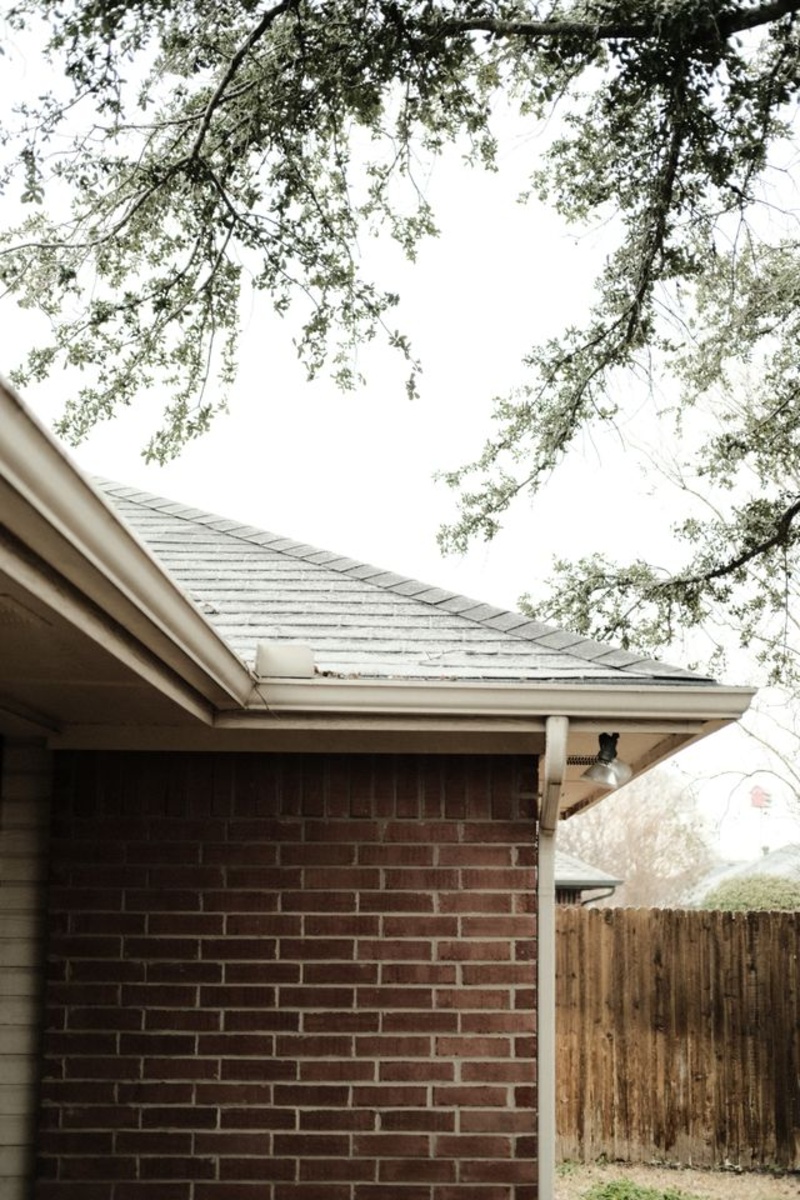
Photo by Nathan Franklin
1. Overflowing Gutters Drown Your
Beds
When gutters sag,
crack, or clog because the roof above them is failing, water stops draining
where it should and instead spills down in heavy sheets along the edge of the
house. That kind of concentrated runoff can quickly flood flowerbeds, wash away
mulch, and leave soil packed down after every storm. Catching the issue early
often means the difference between a manageable repair and expensive landscape
damage.
Many homeowners call
in experienced companies like We Nailed It Roofing & Gutters once they
notice water pooling near planting areas or overflowing gutters during
rainstorms. Roofing professionals frequently point out that drainage and roof
problems tend to reveal themselves in the yard first, long before interior
leaks or more serious structural issues become obvious.
2. The Sheer Volume Erodes Your Soil
Here's the part people
tend to underestimate — how much water a roof actually moves. According to the
University of Arizona, a single inch of rain drops roughly 600 gallons onto a
1,000-square-foot roof, and a healthy system guides all of it safely
away from the house.
When the roof or
gutters are damaged, that same torrent sheets off one broken edge instead. It
carves channels through your topsoil and washes away the rich, nutrient-heavy
layer your plants quietly depend on.
3. Persistent Roofing Problems Lead
to Water Accumulation
Roof damage doesn’t
always produce dramatic flooding. More often, it creates recurring wet spots
that develop gradually over time. Water that consistently drains into the same
area can saturate the surrounding soil and prevent it from drying properly between
storms.
Excess moisture
creates an unhealthy environment for many plants because roots need oxygen as
well as water. Saturated soil can eventually contribute to root rot and other
moisture-related problems.
Common warning signs
include:
●
Yellowing leaves despite regular
care
●
Persistent damp patches in the
yard
●
Mushrooms or mould appearing near
planting areas
●
A sour or musty smell coming from
the soil
Standing water can
also attract mosquitoes and other pests, making outdoor spaces less enjoyable
for homeowners and guests.
4. Deteriorating Roofing Materials
Shed Debris
A damaged roof often
sheds more than water. As roofing materials age and deteriorate, they can
release shingle granules, broken tile fragments, rusted fasteners, and other
debris during storms.
These materials
typically collect in gutters before eventually washing into surrounding outdoor
areas. While the accumulation may seem minor at first, it can create several
problems over time.
For example:
●
Sharp fragments can make gardening
and maintenance more difficult.
●
Granules may alter soil texture
and drainage patterns.
●
Loose nails and metal pieces can
create hazards for children and pets.
●
Debris buildup can affect the
appearance of landscaped areas.
Finding roofing
materials scattered around the yard is often a sign that the roof itself may
require professional attention.
5. Roof Water Intrusion Accelerates
Wear on Outdoor Structures
The effects of roof
damage extend beyond lawns and gardens. Nearby outdoor structures are often
exposed to increased moisture when roofing systems fail to manage water
properly.
Decks, patios,
walkways, pergolas, and outdoor furniture can all suffer from repeated water
exposure. Wooden surfaces may begin to warp, crack, or develop rot. Stone and
concrete areas can become stained or discolored, while metal fixtures may
experience accelerated rusting.
Excess moisture also
encourages algae and mildew growth. Not only does this affect appearance, but
it can also create slippery surfaces that increase the risk of falls. What
begins as a roofing issue can eventually lead to costly repairs throughout the
outdoor living space.
6. Uncontrolled Roof Runoff Threatens
Property Stability
One of the most
serious consequences of roof damage is uncontrolled water movement around the
property. When large volumes of water are repeatedly discharged in the wrong
location, the surrounding soil can gradually weaken.
This can affect a
variety of outdoor structures. Fence posts may loosen, sheds can develop
moisture problems, and raised garden beds may begin shifting over time. In
severe cases, water that consistently collects near the home can contribute to
foundation-related concerns.
Because these issues
develop slowly, homeowners may not immediately connect them to roofing
problems. However, many structural concerns around a property begin with poor
roof drainage and inadequate water management.
7. Visible Roof Damage Reduces
Overall Curb Appeal
Even when roof damage
hasn’t yet caused significant structural issues, it can still affect the
appearance of the entire property. A roof is one of the most visible features
of any home, and signs of deterioration are often noticeable from a distance.
Missing shingles,
sagging rooflines, stained gutters, and visible wear can make an otherwise
attractive outdoor space feel neglected. Well-maintained gardens, healthy
lawns, and carefully designed landscaping often lose their impact when paired
with a roof that appears to be in poor condition.
For homeowners
considering a future sale, roof condition can also influence buyer perceptions.
Potential buyers frequently view visible roof damage as an indicator of
deferred maintenance elsewhere on the property.
Conclusion
It’s easy to focus
attention on gardens, patios, and landscaping while overlooking the roof that
helps protect them. Yet a roof does far more than shelter the home itself. It
plays a critical role in controlling water, protecting outdoor structures, and preserving
the condition of the surrounding property.
When roofing issues
develop, the effects often extend well beyond the house. From soil erosion and
standing water to damaged structures and reduced curb appeal, even minor roof
problems can have far-reaching consequences. Addressing roof damage early helps
protect not only the home but also the outdoor spaces that make it enjoyable
year-round.
Photo Gallery



Comments