Blog
How Technology Is Helping Restaurants Improve Safety From Kitchen to Front Door
Restaurant safety involves much more than keeping floors dry and food properly refrigerated. Owners must protect employees working around hot equipment, customers moving through busy dining spaces, valuable inventory, cash-handling areas, delivery entrances, and the property itself. As restaurants become more connected, technology is giving managers new ways to identify risks before they become serious incidents.
The numbers show why this matters. The CDC estimates that 48 million Americans get sick from foodborne illnesses every year, with around 128,000 hospitalizations and 3,000 deaths. Workplace incidents are another concern. Bureau of Labor Statistics data shows that restaurants and other eating places reported about 161,200 nonfatal workplace injuries and illnesses in 2024, with an incidence rate of 2.4 cases per 100 full-time workers.
Fire safety remains equally important. The U.S. Fire Administration estimates there were 33,300 nonresidential building cooking fires in 2023, and the number of these fires increased 13 percent between 2014 and 2023.
From connected kitchen sensors to intelligent cameras at the front door, restaurants are increasingly using technology to support faster, more informed safety decisions.
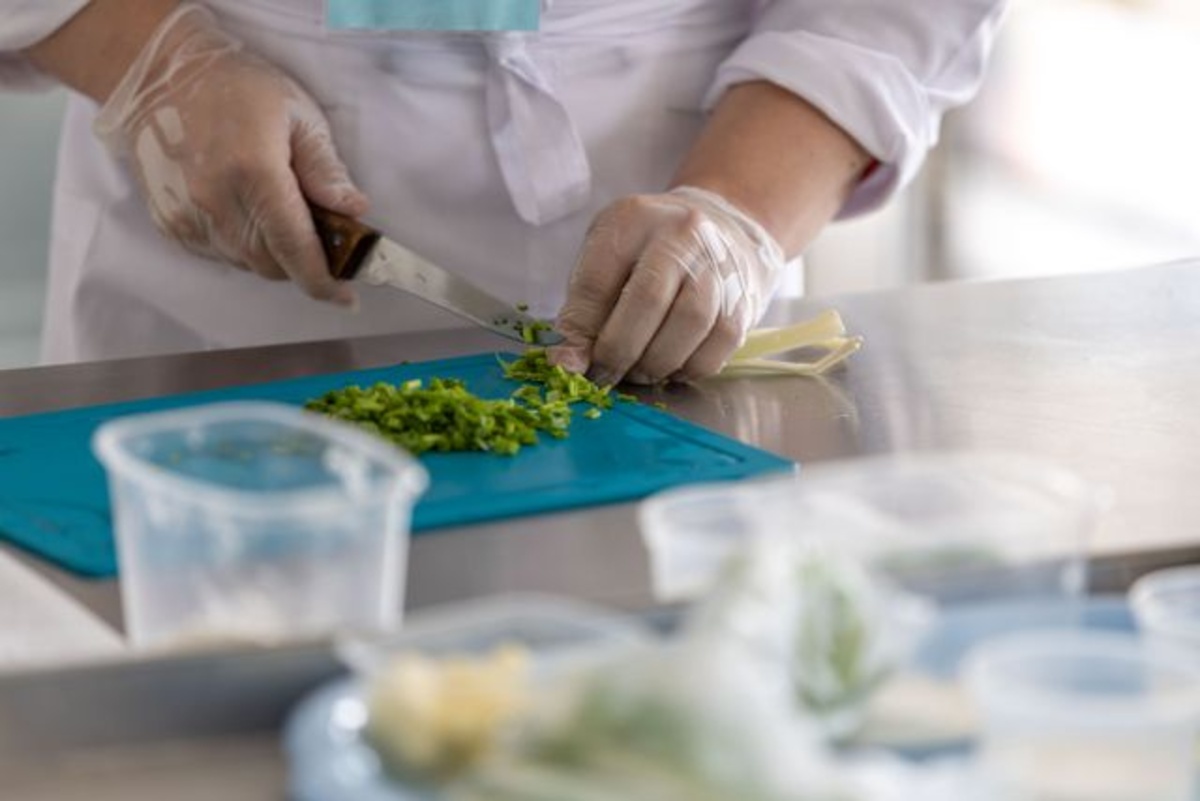
Photo by Sergei Starostin
Smart Technology Is Making Kitchens Safer
Commercial kitchens are fast-moving environments where heat, sharp tools, wet surfaces, electrical equipment, and heavy workloads exist in the same space. Even experienced teams can miss warning signs during busy lunch or dinner periods.
Connected sensors give restaurants another layer of oversight. Temperature sensors can continuously monitor refrigerators, freezers, and cold-storage areas instead of depending entirely on employees checking equipment manually at scheduled intervals.
If a refrigerator starts warming unexpectedly, managers can receive an alert before ingredients remain at unsafe temperatures for several hours. This can reduce food waste while also helping restaurants maintain safer storage conditions.
Technology can also support monitoring around cooking equipment, ventilation systems, gas lines, and fire suppression equipment. Maintenance alerts can identify equipment that is operating abnormally, allowing repairs to take place before a minor problem becomes an expensive breakdown or safety hazard.
These systems do not replace employee training. Instead, they make it easier for employees to notice problems while handling dozens of other responsibilities.
Digital Food Safety Creates More Reliable Processes
Paper checklists have been part of restaurant operations for decades, but they depend heavily on employees remembering to complete every check correctly.
Digital food safety platforms can make these routines more consistent. Employees can receive scheduled reminders for refrigerator temperatures, cleaning procedures, food preparation checks, allergen controls, and equipment inspections.
Managers can then review completed tasks from a central dashboard rather than searching through paperwork.
Connected thermometers can take this further by automatically recording temperature measurements. If a restaurant repeatedly experiences temperature fluctuations in the same refrigerator, historical data may help managers identify an equipment problem that individual manual checks might not reveal.
Digital records can also be valuable when investigating complaints or preparing for inspections. Managers have a clearer timeline showing when checks were performed and whether corrective action was required.
Smarter Cameras Are Improving Restaurant Security
Traditional restaurant cameras were primarily tools for reviewing incidents after something happened. Managers might search through hours of footage following a theft, customer dispute, workplace accident, or missing delivery.
Modern video technology is making that process faster. Searchable video and AI-assisted analytics can help security or management teams find relevant moments without reviewing an entire shift manually.
Restaurants can position cameras around registers, kitchens, storage rooms, loading areas, entrances, drive-through lanes, and parking lots. When an incident occurs, managers have visual context to understand what happened.
This becomes particularly useful for restaurant groups operating many locations. Centralized video systems allow regional teams to investigate incidents without traveling to each restaurant.
Video can also support operational improvements. Reviewing congestion around pickup counters, entrances, or drive-through lanes may reveal where restaurant layouts or staffing processes need adjustment.
Card Access Systems Add Control Beyond the Front Door
Not every employee needs unrestricted access throughout a restaurant. Cash offices, alcohol storage, inventory rooms, IT equipment, manager offices, and after-hours entrances may require tighter controls.
Physical keys can become difficult to manage as staffing changes. A key may be copied, lost, or remain with a former employee. Electronic credentials allow managers to add or remove access without replacing locks.
Modern card access systems can also connect door activity with video monitoring. For example, Coram combines access control and video so businesses can associate door events with recorded footage, manage permissions and schedules centrally, and review events such as denied access, forced entry, or doors being held open. Its access control platform can also work with existing locks and readers, which may help businesses modernize security without automatically replacing all existing infrastructure.
For restaurants, this creates greater accountability around areas where inventory, cash, sensitive equipment, or high-value supplies are kept.
Front-of-House Technology Protects Employees and Guests
Restaurant safety extends from the kitchen all the way to the parking lot.
Customer confrontations, unauthorized entry, theft, overcrowding, and late-night incidents can place front-of-house employees in difficult situations. Cameras around entrances and exterior areas can provide managers with better situational awareness.
Panic buttons and employee safety devices can provide another option when staff need assistance quickly. Depending on the system, alerts may be sent to managers, security personnel, or other designated responders.
Occupancy and queue-monitoring technology can also identify areas where people regularly gather. This is especially useful around hostess stands, takeout counters, self-service kiosks, and narrow entrances during peak hours.
The goal is not simply surveillance. Better information can help managers adjust staffing and workflows before congestion or disorder becomes a larger safety issue.
Connecting Restaurant Safety Systems
The biggest opportunity comes when restaurant technologies stop operating as isolated tools.
Imagine a freezer temperature alert appearing shortly after closing. A manager can check the temperature history, review camera footage to determine whether the door was left open, and use access records to establish who entered the storage area.
The same principle applies to security incidents. Door records can provide timestamps, video can supply visual context, and digital incident records can document the response.
Connected technology gives managers a clearer picture of events instead of forcing them to piece together information from several unrelated systems.
FAQs
How does technology improve food safety in restaurants?
Connected thermometers, temperature sensors, digital checklists, automated reminders, and equipment monitoring help restaurants identify unsafe conditions sooner and create more consistent food handling procedures.
Can security cameras improve restaurant safety beyond preventing theft?
Yes. Cameras can help investigate employee injuries, customer disputes, unauthorized access, delivery issues, property damage, and incidents around entrances or parking areas.
Why are electronic access systems useful for restaurants?
They allow managers to control who can enter restricted areas, change permissions when staffing changes, maintain access records, and reduce reliance on physical keys.
Can technology completely prevent restaurant accidents?
No. Technology supports safety, but employee training, maintenance, cleaning, supervision, and clear procedures remain essential. The strongest approach combines trained people with systems that provide better information and earlier warnings.
Conclusion
Restaurant safety is becoming increasingly connected. Sensors can detect temperature problems before food is compromised, digital tools can improve routine safety checks, cameras can speed up investigations, and electronic access systems can provide better control over sensitive areas.
For restaurant owners, the objective is not to fill every location with complicated technology. It is to identify where manual processes create blind spots and use the right tools to close them.
From kitchen equipment to staff entrances and the customer-facing front door, technology is giving restaurant teams more opportunities to identify risks early, respond faster, and create safer environments for employees and guests.
How Technology Is Helping Restaurants Improve Safety From Kitchen to Front Door
Restaurant safety involves much more than keeping floors dry and food properly refrigerated. Owners must protect employees working around hot equipment, customers moving through busy dining spaces, valuable inventory, cash-handling areas, delivery entrances, and the property itself. As restaurants become more connected, technology is giving managers new ways to identify risks before they become serious incidents.
The numbers show why this matters. The CDC estimates that 48 million Americans get sick from foodborne illnesses every year, with around 128,000 hospitalizations and 3,000 deaths. Workplace incidents are another concern. Bureau of Labor Statistics data shows that restaurants and other eating places reported about 161,200 nonfatal workplace injuries and illnesses in 2024, with an incidence rate of 2.4 cases per 100 full-time workers.
Fire safety remains equally important. The U.S. Fire Administration estimates there were 33,300 nonresidential building cooking fires in 2023, and the number of these fires increased 13 percent between 2014 and 2023.
From connected kitchen sensors to intelligent cameras at the front door, restaurants are increasingly using technology to support faster, more informed safety decisions.
Smart Technology Is Making Kitchens Safer
Commercial kitchens are fast-moving environments where heat, sharp tools, wet surfaces, electrical equipment, and heavy workloads exist in the same space. Even experienced teams can miss warning signs during busy lunch or dinner periods.
Connected sensors give restaurants another layer of oversight. Temperature sensors can continuously monitor refrigerators, freezers, and cold-storage areas instead of depending entirely on employees checking equipment manually at scheduled intervals.
If a refrigerator starts warming unexpectedly, managers can receive an alert before ingredients remain at unsafe temperatures for several hours. This can reduce food waste while also helping restaurants maintain safer storage conditions.
Technology can also support monitoring around cooking equipment, ventilation systems, gas lines, and fire suppression equipment. Maintenance alerts can identify equipment that is operating abnormally, allowing repairs to take place before a minor problem becomes an expensive breakdown or safety hazard.
These systems do not replace employee training. Instead, they make it easier for employees to notice problems while handling dozens of other responsibilities.
Digital Food Safety Creates More Reliable Processes
Paper checklists have been part of restaurant operations for decades, but they depend heavily on employees remembering to complete every check correctly.
Digital food safety platforms can make these routines more consistent. Employees can receive scheduled reminders for refrigerator temperatures, cleaning procedures, food preparation checks, allergen controls, and equipment inspections.
Managers can then review completed tasks from a central dashboard rather than searching through paperwork.
Connected thermometers can take this further by automatically recording temperature measurements. If a restaurant repeatedly experiences temperature fluctuations in the same refrigerator, historical data may help managers identify an equipment problem that individual manual checks might not reveal.
Digital records can also be valuable when investigating complaints or preparing for inspections. Managers have a clearer timeline showing when checks were performed and whether corrective action was required.
Smarter Cameras Are Improving Restaurant Security
Traditional restaurant cameras were primarily tools for reviewing incidents after something happened. Managers might search through hours of footage following a theft, customer dispute, workplace accident, or missing delivery.
Modern video technology is making that process faster. Searchable video and AI-assisted analytics can help security or management teams find relevant moments without reviewing an entire shift manually.
Restaurants can position cameras around registers, kitchens, storage rooms, loading areas, entrances, drive-through lanes, and parking lots. When an incident occurs, managers have visual context to understand what happened.
This becomes particularly useful for restaurant groups operating many locations. Centralized video systems allow regional teams to investigate incidents without traveling to each restaurant.
Video can also support operational improvements. Reviewing congestion around pickup counters, entrances, or drive-through lanes may reveal where restaurant layouts or staffing processes need adjustment.
Card Access Systems Add Control Beyond the Front Door
Not every employee needs unrestricted access throughout a restaurant. Cash offices, alcohol storage, inventory rooms, IT equipment, manager offices, and after-hours entrances may require tighter controls.
Physical keys can become difficult to manage as staffing changes. A key may be copied, lost, or remain with a former employee. Electronic credentials allow managers to add or remove access without replacing locks.
Modern card access systems can also connect door activity with video monitoring. For example, Coram combines access control and video so businesses can associate door events with recorded footage, manage permissions and schedules centrally, and review events such as denied access, forced entry, or doors being held open. Its access control platform can also work with existing locks and readers, which may help businesses modernize security without automatically replacing all existing infrastructure.
For restaurants, this creates greater accountability around areas where inventory, cash, sensitive equipment, or high-value supplies are kept.
Front-of-House Technology Protects Employees and Guests
Restaurant safety extends from the kitchen all the way to the parking lot.
Customer confrontations, unauthorized entry, theft, overcrowding, and late-night incidents can place front-of-house employees in difficult situations. Cameras around entrances and exterior areas can provide managers with better situational awareness.
Panic buttons and employee safety devices can provide another option when staff need assistance quickly. Depending on the system, alerts may be sent to managers, security personnel, or other designated responders.
Occupancy and queue-monitoring technology can also identify areas where people regularly gather. This is especially useful around hostess stands, takeout counters, self-service kiosks, and narrow entrances during peak hours.
The goal is not simply surveillance. Better information can help managers adjust staffing and workflows before congestion or disorder becomes a larger safety issue.
Connecting Restaurant Safety Systems
The biggest opportunity comes when restaurant technologies stop operating as isolated tools.
Imagine a freezer temperature alert appearing shortly after closing. A manager can check the temperature history, review camera footage to determine whether the door was left open, and use access records to establish who entered the storage area.
The same principle applies to security incidents. Door records can provide timestamps, video can supply visual context, and digital incident records can document the response.
Connected technology gives managers a clearer picture of events instead of forcing them to piece together information from several unrelated systems.
FAQs
How does technology improve food safety in restaurants?
Connected thermometers, temperature sensors, digital checklists, automated reminders, and equipment monitoring help restaurants identify unsafe conditions sooner and create more consistent food handling procedures.
Can security cameras improve restaurant safety beyond preventing theft?
Yes. Cameras can help investigate employee injuries, customer disputes, unauthorized access, delivery issues, property damage, and incidents around entrances or parking areas.
Why are electronic access systems useful for restaurants?
They allow managers to control who can enter restricted areas, change permissions when staffing changes, maintain access records, and reduce reliance on physical keys.
Can technology completely prevent restaurant accidents?
No. Technology supports safety, but employee training, maintenance, cleaning, supervision, and clear procedures remain essential. The strongest approach combines trained people with systems that provide better information and earlier warnings.
Conclusion
Restaurant safety is becoming increasingly connected. Sensors can detect temperature problems before food is compromised, digital tools can improve routine safety checks, cameras can speed up investigations, and electronic access systems can provide better control over sensitive areas.
For restaurant owners, the objective is not to fill every location with complicated technology. It is to identify where manual processes create blind spots and use the right tools to close them.
From kitchen equipment to staff entrances and the customer-facing front door, technology is giving restaurant teams more opportunities to identify risks early, respond faster, and create safer environments for employees and guests.
Photo Gallery




Comments