Blog
How Teletherapy Makes Mental Health Care Accessible and Private
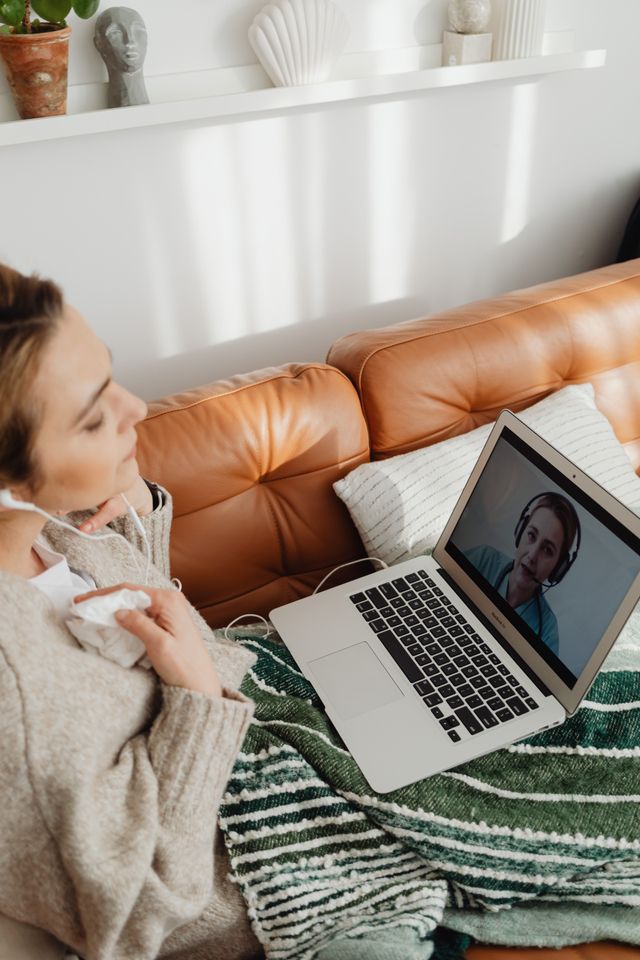
Teletherapy gives people a practical way to attend counseling without traveling to an office. A secure video session connects clients with licensed therapists through a computer or smartphone, while phone sessions support people without reliable internet access. This format fits work schedules, family responsibilities, mobility needs, and personal privacy concerns. It also supports individual, couples, and group therapy for many common concerns, beginning with easier access to consistent care.

Photo by https://kaboompics.com/
Access Without The Office Commute
Travel often creates the first barrier to counseling. A person may lack transportation, work irregular hours, care for children, or live far from a therapist’s office. Teletherapy removes the commute and lets clients attend sessions from home, an office, or another private location.
Teletherapy mental health also supports people who feel uncomfortable entering a traditional office. The familiar setting can reduce practical stress before the appointment begins. Clients still meet with a therapist for the same scheduled session length and receive focused attention throughout the visit.
For people researching help, the format provides remote access to psychotherapy across Illinois. Video sessions support individual, couples, and group therapy, while phone sessions provide another route when video access is difficult. This flexibility helps clients keep appointments when travel, technology, or personal circumstances would otherwise interrupt regular care.
A Simple Session Process
Teletherapy requires a smartphone or computer with a webcam and a decent internet connection for video appointments. After scheduling, the client receives an email containing a link to the session.
A few minutes before the appointment, the client clicks the link and enters the video session. The therapist and client then communicate through a confidential, secure, HIPAA-compliant platform. Report technical problems by phone or email as soon as they occur.
Phone counseling provides a practical alternative for clients without internet access or those who feel uneasy using video. The therapist can explain the available format and help determine which option fits the client’s circumstances.
Privacy During Online Counseling
Privacy depends on both the counseling platform and the client’s surroundings. A HIPAA-compliant platform protects the video connection used for the session, while a private room limits the chance of being overheard.
Clients should choose a quiet space, use headphones when appropriate, and tell household members not to interrupt. A locked door, reduced device notifications, and a stable internet connection also support a more private appointment.
Therapy from home does not require clients to disclose personal concerns in a public waiting room. They join the session through the emailed link, reducing unnecessary contact with other people.
Concerns Teletherapy Can Address
Teletherapy supports counseling for grief and loss, relationship problems, loneliness, depression, stress, parenting concerns, and sleep difficulties. It also addresses anxiety, worry, mood changes, irritability, trouble focusing, and low motivation.
Couples can attend sessions from the same location or join from separate private spaces, depending on the therapist’s guidance. Group therapy follows the same basic remote format, with each participant responsible for finding a private place to attend.
The format still requires active participation. Clients need a working device, suitable privacy, and enough stability to speak openly during the appointment.
When In-Person Care Fits Better
Teletherapy does not suit every clinical situation. Immediate suicidal or homicidal intent, significant self-harm, active substance abuse, and active eating disorders require immediate crisis support or in-person treatment.
Anyone facing an emergency should call emergency services or an appropriate crisis service instead of waiting for a teletherapy appointment. During the initial contact, a therapist discusses whether online counseling fits the client’s needs.
This screening protects clients by matching the treatment format to the level of support required. It also prevents technology from replacing urgent intervention.
Preparing For A Productive Appointment
Clients should test the device, camera, microphone, and internet connection before the first session. Entering the link a few minutes early gives time to resolve basic technical problems.
A private room and comfortable seating support concentration. Clients should keep water nearby, silence unnecessary alerts, and prepare any questions or concerns they want to discuss.
Consistency matters after the first appointment. Keeping the same general time and location helps establish a reliable routine and reduces missed sessions caused by last-minute planning.
Conclusion
Teletherapy makes mental health care easier to access without removing the privacy and structure of counseling. Secure video sessions, phone alternatives, flexible locations, and remote access support regular treatment for many common concerns. Clients should confirm their device, internet connection, private setting, and clinical needs before scheduling. In an emergency, immediate crisis services remain the appropriate choice. For routine counseling, a first consultation can clarify whether teletherapy fits the person’s goals and circumstances.
Photo Gallery




Comments