Blog
How to Build a Seasonal Home Maintenance Checklist That Actually Gets Done
Most
homeowners have a mental list of things to fix. Almost none of them have a
system. That gap costs real money: a recent study reported by KJRH found that the average
deferred home repair now costs more than $5,600 to complete, up
sharply as labor and materials have climbed. That same research found 92% of
homeowners have outstanding repairs sitting on their to-do list right now. A
written, season-by-season checklist is the single tool that separates the
homeowners who catch a $200 problem early from the ones who write a $15,000
check later. This article walks you through how to build that checklist, which
systems deserve the most attention each season, and the mindset shift that
makes the whole thing stick.
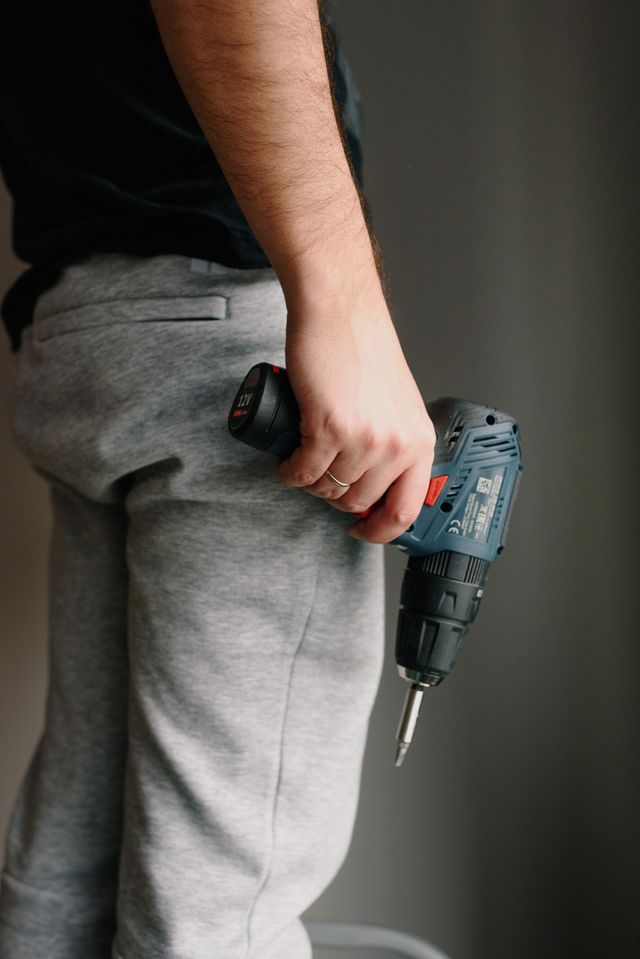
Photo by Ksenia Chernaya
Why a Seasonal Lens Changes Everything
Tackling
home maintenance as a single annual project rarely works. Life fills the
calendar. The list gets buried. Then winter arrives, and the gutters are still
clogged from October.
Breaking tasks into four roughly equal seasonal windows gives you shorter, more manageable sprints. You check off eight things in spring instead of staring at thirty-two. That alone improves follow-through dramatically.
The second benefit is sequencing. Some systems need to be inspected before a season, not during it. Your HVAC shouldn't get its first look when it's 95 degrees outside. Your roof should not be on your radar for the first time after a December ice storm. Catching a problem in the calm shoulder season, before the stress arrives, is almost always cheaper and faster to fix.
Psychologically,
four checkpoints also turn maintenance from a vague obligation into a concrete
appointment. Schedule them like you would a dentist visit: same weekend every
year, already on the calendar, not subject to negotiation.
The Four-Season Maintenance Matrix
Below is the
original framework I call the Four-Season Maintenance Matrix. It maps your
home's major systems to the season where they're most vulnerable, so each
inspection happens at the point of highest leverage rather than arbitrary
habit.
|
Season |
Priority
System |
Core
Task |
What
You're Preventing |
|
Spring |
Roof and
gutters |
Inspect
shingles, clear winter debris, check flashing |
Water
infiltration, wood rot, interior ceiling damage |
|
Spring |
Foundation
and grading |
Check for
cracks, confirm soil slopes away from house |
Basement
flooding, structural settling |
|
Summer |
HVAC and
attic ventilation |
Replace
filters, confirm attic airflow, clean condenser coils |
System
failure during peak use, high energy bills |
|
Fall |
Roof,
gutters, and windows |
Second
roof walkthrough, clean gutters, caulk window frames |
Ice dams,
heat loss, stormwater backup |
|
Winter |
Plumbing
and heating system |
Insulate
exposed pipes, service furnace, test carbon monoxide detectors |
Burst
pipes, heating failure, safety hazards |
Notice the roof appears twice. That's intentional. It is the single most
consequential exterior surface on your home, and it deteriorates from both
summer heat and winter freeze-thaw cycles. Two inspections per year is not
overkill; it's what the damage data justifies.
Your Roof
Deserves More Attention Than You're Giving It
Consider Priya, a homeowner in a mid-Atlantic suburb who figured her roof was fine because it wasn't leaking. She skipped her fall inspection two years running. In November, a roofing crew she hired for an unrelated siding repair spotted a small section of lifted flashing around the chimney base. The flashing had been working away from the mortar since the previous winter. Two more seasons of freeze-thaw movement and she would have had water sitting on the decking, rotting the sheathing from underneath. The repair with the flashing caught early: $320. The repair with compromised sheathing: closer to $4,500. The lesson is not dramatic. It's just math.
This kind of scenario is not rare. Verisk's 2024 analysis, reported by Seeking Alpha, found that 38% of U.S. residential homes currently have roofs rated in moderate to poor condition, with homes on the eastern half of the country especially exposed due to greater weather variability. Wind and hail together drove more than half of all residential insurance claims that year.
If you're in
a market with mature trees, seasonal storms, or older housing stock, your roof
inspection deserves a professional eye at least once every two years. A
qualified Gaithersburg roofing contractor, for example,
will look at flashing around every penetration point, the condition of ridge
caps, and whether granule loss on shingles has crossed a threshold that signals
the end of useful life. That's not something you can assess confidently from a
ladder, and the stakes are too high to guess.
How to Make the Checklist a Habit, Not a Burden
The best
checklist is the one you actually complete. Here's a structure that works for
most households:
1.
Put it on a physical calendar, not just an
app. A sticky note on the fridge in March holds more psychological weight
than a reminder that gets swiped away. Choose the first full weekend of each
new season and write it in.
2.
Pair tasks with something you already do.
Spring checklist coincides with spring cleaning. Fall checklist happens the
weekend you swap out the storm windows or put the garden to bed. The existing
habit carries the new one.
3.
Budget for it before you need it. A
general rule of thumb from financial advisors is to set aside 1% to 2% of your
home's value annually for maintenance. Put that money in a dedicated account so
a repair bill doesn't feel like a financial crisis.
4.
Document every task and every finding.
Take a photo of the gutters before and after. Note the date you replaced the
furnace filter. This log is worth real money if you sell: buyers and inspectors
respond positively to a home with a paper trail of care.
5.
Outsource the things that require expertise.
You can caulk windows yourself. Roof inspections, electrical panel checks, and
gas furnace servicing belong to professionals with the training to spot what
you won't recognize as a warning sign.
"Proactive
maintenance isn't about perfectionism. It's about recognizing that every system
in your home is on a clock, and your job is to reset that clock before it runs
out." This view reflects a growing consensus among home inspectors and
contractors who consistently report that most emergency calls trace back to
deferred seasonal tasks that were skipped for two to three consecutive years.
The Workforce Behind Your
Home's Care Is Changing
One
practical reason to build your professional relationships now rather than after
something breaks: the trade labor market is tightening. The U.S. Bureau of Labor Statistics projects
roofer employment will grow 6% from 2024 to 2034, faster than the average for
all occupations, with roughly 12,700 job openings per year driven by repair demand
and workforce turnover. That demand growth means wait times for reputable
contractors are getting longer, especially in the weeks right after a major
storm. Homeowners who have an established relationship with a trusted
contractor tend to get prioritized scheduling. Those who call in a panic after
discovering a problem have fewer good options. Establishing that relationship
during a calm, non-emergency season inspection is the smarter play every time.
Start Small and Make It Yours
Your first seasonal checklist does not need to be exhaustive. Pick six tasks for spring and six for fall. Do those twelve things consistently for one full year. Add more detail in year two once the rhythm feels natural. The homeowners who maintain their homes well rarely do so because they love maintenance. They do it because they built a system small enough to keep.
One Saturday
per season. A paper list on the counter. A dedicated savings account. A
professional contact for the systems you can't safely evaluate yourself. That's
the whole framework. Start this weekend with whichever season you're in right
now, and the rest will follow.
Photo Gallery



Comments