Blog
How to Eat Your Way Through Texas Barbecue Country
In Texas, barbecue is less a dish than a map. Every region claims its own style, every town seems to have a pit with a line outside it, and arguments over the best brisket in the state can outlast a family reunion. For anyone who loves cooking, a barbecue trip through Texas is part pilgrimage and part cooking class, a chance to taste what a few simple ingredients, a lot of smoke and a great deal of patience can do. Here is how to plan one that leaves room for seconds.
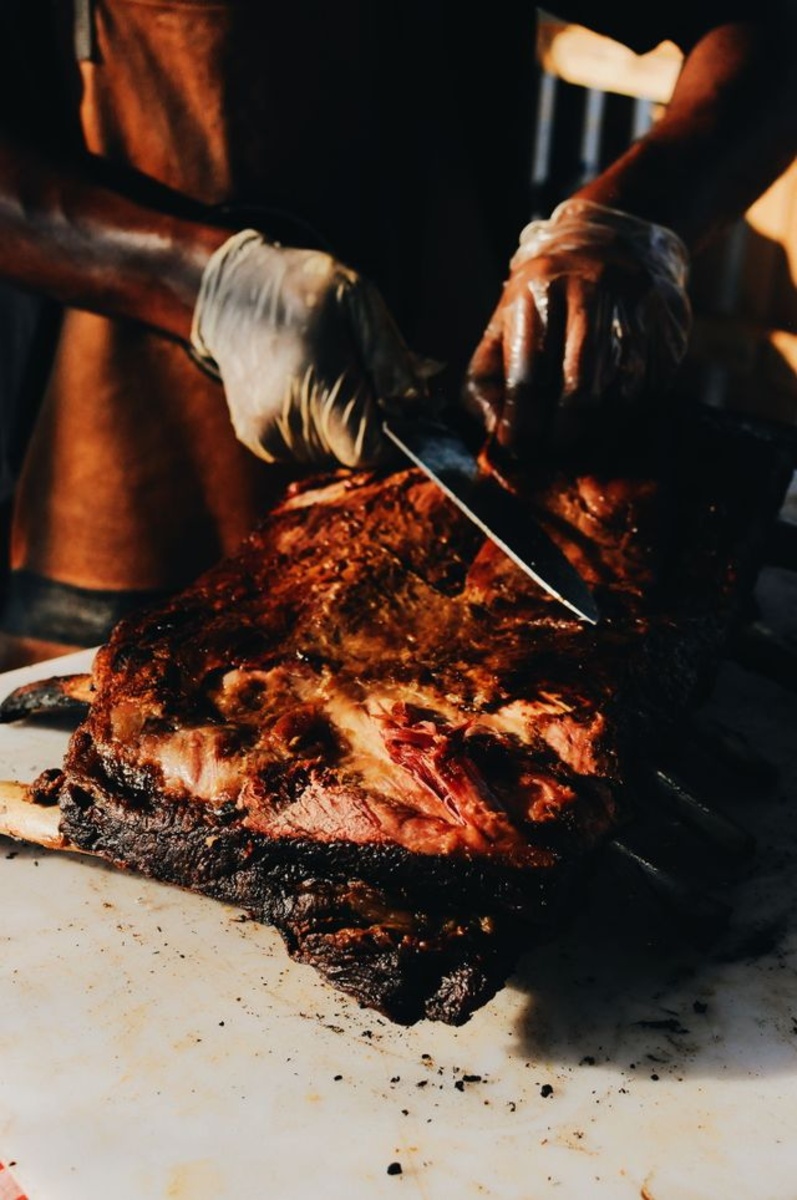
Photo by Desativado
Start the Trip at DFW
Most visitors coming from out of state fly into Dallas Fort Worth International, and it makes a natural starting point. The two cities have excellent barbecue of their own, and the famous smokehouse towns of Central Texas sit about three to four hours south along Interstate 35. Those towns are small, spread out and mostly unreachable by bus or train, so the easiest plan is to find a rental car at DFW as soon as the plane lands. With a car, the trip can follow the barbecue rather than a timetable, and there is space for a cooler full of leftovers on the drive back to Dallas.
Warm Up in Dallas and Fort Worth
Give the first day to the metro area. Dallas's barbecue scene has grown fast, with pitmasters in Deep Ellum and beyond turning out brisket that holds its own against the old-school Central Texas joints. Fort Worth has a strong claim too. In 2021, Goldee's Barbecue, just outside the city, topped Texas Monthly's ranking of the best barbecue in the state, which in Texas is close to winning a gold medal.
These first meals are useful calibration. Pay attention to the bark, the dark crust on the outside of the brisket, the pink smoke ring just beneath it and how the fat renders. Everything that follows will be measured against them.
Lockhart, the Barbecue Capital of Texas
The Texas Legislature officially named Lockhart the Barbecue Capital of Texas in 1999, and the town lives up to it. In a place with fewer than 15,000 residents, three historic barbecue restaurants sit within a few minutes of each other.
Kreuz Market is known for its no-frills approach. For decades it famously offered no sauce and no forks, and the meat still arrives on butcher paper with crackers or white bread on the side. Black's Barbecue has been family-run since 1932 and is known for its beef ribs, which are enormous and best shared. Smitty's Market occupies the original Kreuz building, where diners walk past open fire pits on the way to the counter, and the smoke-blackened walls are a sight worth seeing even before eating.
Nearby Luling, about 15 miles away, has City Market, a classic stop known for its sausage and its peppery, mustard-tinged sauce.
Taylor, Lexington and the Saturday Gamble
Northeast of Austin, the small town of Taylor is home to Louie Mueller Barbecue, which has been smoking meat since 1949. The dining room's walls are coated in decades of smoke, and the peppery brisket is a benchmark for the whole state.
Lexington, a little further east, is home to Snow's BBQ, a place that has become legendary partly because of how hard it is to visit. It is open only on Saturdays, it starts serving early in the morning and it closes when the meat runs out. Arriving before opening time is strongly recommended. Barbecue for breakfast may sound strange, but after the first bite of brisket at eight in the morning, the schedule makes perfect sense.
How to Order Like a Local
Central Texas barbecue is sold by weight, usually by the pound or half pound. Ordering at the counter is straightforward once the vocabulary is clear. Brisket comes lean, from the flat, or moist, also called fatty, from the point. Asking for a bit of each is normal and highly recommended. Sausage, pork ribs and beef ribs fill out the menu, along with turkey at many places.
Sides tend to be simple: pinto beans, potato salad, coleslaw and sometimes mac and cheese. White bread, pickles, raw onions and jalapeños are often free at a side station. Sauce, if offered at all, is thin and tangy rather than thick and sweet, and some purists will raise an eyebrow at anyone who pours it over a good brisket.
Popular spots run out, often by mid-afternoon. Arriving early solves most problems, and a line is usually a good sign.
The line itself is part of the experience. At the busiest places, the wait can stretch past an hour on weekends, and regulars treat it as a social occasion, with folding chairs, cold drinks and conversations with strangers about which brisket in the state is best. Some restaurants send staff down the line with samples, which helps with decisions at the counter. Bringing a hat and a bottle of water makes a summer wait far more pleasant.
Pacing a Barbecue Road Trip
Barbecue is rich, and enthusiasm can outpace appetite. Two stops a day is plenty for most people, and sharing a few half-pound orders lets the group taste more without feeling sluggish by sunset. Fresh fruit, salads and plenty of water in between help a great deal, as does a short walk around each town's historic square.
A cooler in the trunk with ice packs is the secret weapon. Leftover brisket and sausage keep well when chilled promptly and make the drive home far more rewarding. Back in the kitchen, sliced brisket turns into tacos, hash and easy weeknight dinners with almost no effort, and a pound of good sausage can carry a pot of beans or a breakfast skillet for days.
Bringing the Flavor Home
The most surprising lesson from Central Texas is how little goes into the meat. Many of the most respected pitmasters season brisket with only coarse black pepper and salt, sometimes in equal parts. The rest comes from the wood, usually post oak in this part of the state, and from hours of low, steady heat.
Home cooks without a smoker can still borrow the approach. A simple salt and pepper rub, a low oven, a long rest wrapped in butcher paper and a little patience produce something much closer to the real thing than any bottled sauce. And if the result does not quite match Lockhart, that simply means another trip is in order.
Planning the Next Plate
A Texas barbecue trip works best slow, with early starts, shared trays and a cooler in the trunk. Many travelers find that the first visit only maps out the territory, and the second is when they head straight for the places that left the biggest impression.
Photo Gallery


Comments