Blog
How to Experience Tokyo Through Food, Markets, and Everyday Traditions
Tokyo is often introduced through its
skyline, train stations, neon streets, and famous crossings, but the city
becomes more memorable when travelers experience it through daily life. A
morning market, a quiet bowl of noodles, a neighborhood shopping street, or a
small workshop can reveal more than a packed checklist of landmarks.
For food-loving travelers, Tokyo offers a
rare mix of precision, warmth, seasonality, and tradition. Meals are shaped by
where ingredients come from, how they are prepared, and the customs surrounding
them. To understand the city more deeply, build the itinerary around markets,
meals, neighborhoods, crafts, and small rituals.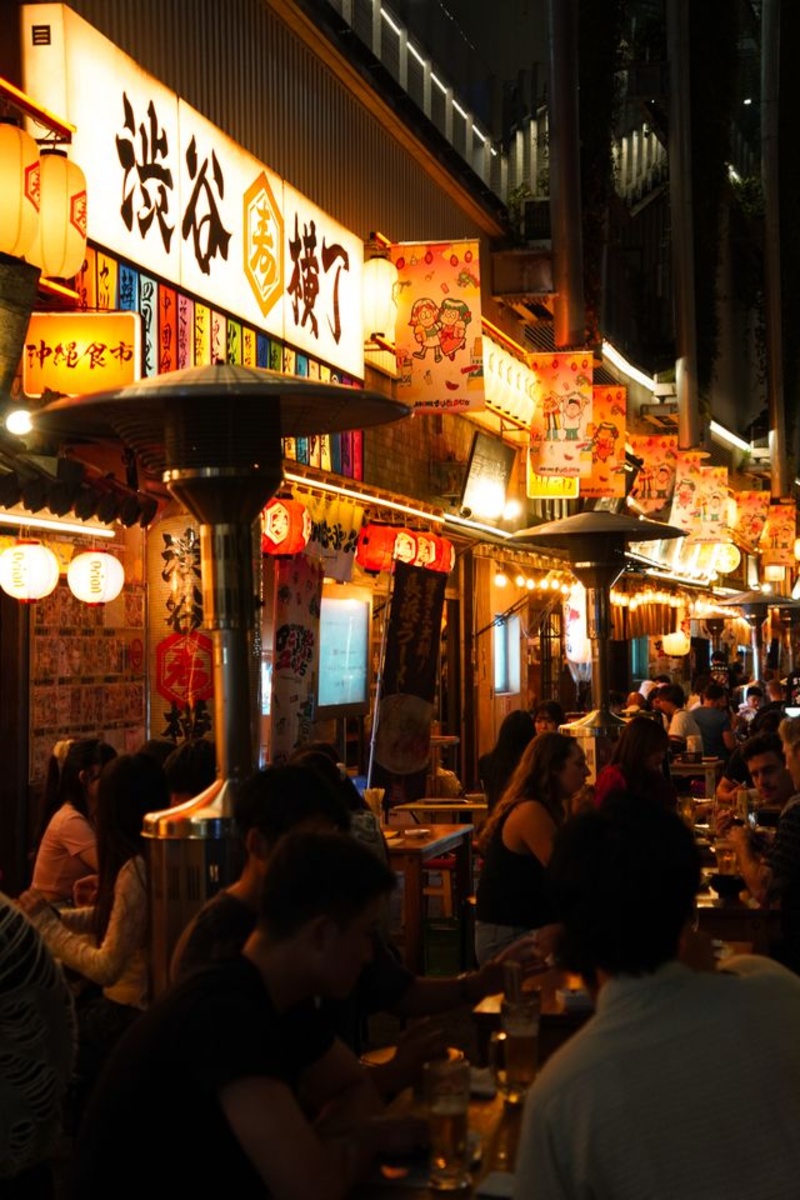
Photo by Alessia Pavese
Start With the Markets That
Shape Daily Eating
Food markets are one of the best
introductions to Tokyo because they show the ingredients, tools, habits, and
conversations that shape everyday meals.
Tsukiji Outer Market remains one of the
most popular places for visitors to explore Tokyo’s food culture. Although the
inner wholesale market moved to Toyosu, Tsukiji still has narrow lanes filled
with seafood stalls, tamagoyaki shops, tea sellers, knife stores, pickles,
grilled skewers, rice bowls, and sweets.
A market visit teaches travelers to pay
attention. The way fish is sliced, rice is packed, counters are arranged, and
customers move through tight spaces all say something about Tokyo’s food
culture. Many market foods are designed to be eaten simply, while standing
nearby or sitting at a small counter.
Toyosu Market offers another perspective.
It is larger, more organized, and known for its wholesale seafood auctions and
professional atmosphere. Visitors may not experience it in the same intimate
way as Tsukiji, but it helps show the scale behind Tokyo’s seafood scene.
Markets are also a good place to notice
seasonality. Certain fish, vegetables, fruits, sweets, and festival foods
appear at particular times of year. Travelers who ask questions and taste with
curiosity begin to see how closely Japanese food culture is tied to timing.
Learn the Customs Behind the
Meal
Eating in Tokyo can feel simple from the
outside. Order ramen, sit at a sushi counter, try yakitori, enjoy tempura, or
share small plates in an izakaya. Yet each meal carries customs that make the
experience richer when understood.
At a sushi counter, the rhythm is often
calm and focused. The chef prepares each piece carefully, and the meal feels
personal. Travelers do not need to know every rule, but small gestures matter.
Being present, avoiding strong perfume, eating pieces soon after they are
served, and respecting the chef’s pace can make the experience smoother for
everyone.
In ramen shops, the energy is different.
Many are fast, efficient, and built around comfort. Diners may order from a
ticket machine, sit close to strangers, and eat without lingering too long. The
format reflects Tokyo’s ability to serve excellent food in a compact, practical
setting.
Izakaya dining adds a more social layer.
These casual drinking and dining spots are ideal for tasting small dishes such
as grilled skewers, sashimi, fried foods, tofu, pickles, and seasonal specials.
Dishes are often ordered gradually, drinks come first, and the table becomes a
place for conversation.
Travelers who want deeper context behind
markets, food customs, neighborhood rituals, and traditional experiences can book Tokyo
cultural tours that focus on local knowledge rather than rushed
sightseeing.
Food etiquette in Tokyo does not need to
feel intimidating. The goal is respect. Notice how locals line up, where people
eat, how they dispose of trash, and how they interact with small shops. These
details help visitors move through the city with more confidence.
Explore Neighborhoods Through
Small Shops and Local Streets
Tokyo is often described through famous
districts such as Shibuya, Shinjuku, Ginza, Harajuku, and Asakusa. Each has its
own appeal, but some of the city’s most rewarding experiences happen on smaller
streets.
Shotengai, or local shopping streets, are
especially useful for travelers who want to understand everyday Tokyo. These
streets may include produce shops, bakeries, tea sellers, sweet shops,
butchers, florists, cafés, noodle spots, and family-run restaurants.
Walking through a shotengai gives
travelers a different sense of place. The pace is slower than major stations
and tourist zones. Shopkeepers may know their regular customers. Seasonal
decorations appear in windows. Local snacks and prepared foods show what people
buy for dinner, school lunches, or weekend treats.
Traditional sweets are worth seeking out
during these walks. Wagashi shops often reflect the season through shape,
color, and ingredients. A sweet made for spring may look and taste different
from one made for autumn.
Kitchenware shops also offer insight into
Tokyo’s food culture. Knives, ceramics, lacquerware, chopsticks, bento boxes,
tea tools, and cooking utensils show how much attention is given to preparation
and presentation.
Neighborhood exploration works best when
travelers leave space in the schedule. A single area can include a shrine, a
café, a family-run restaurant, a sweet shop, and a tiny store that has been
open for decades.
Add Hands-On Traditions to the
Itinerary
Cultural experiences become more
memorable when travelers participate. Tokyo has many opportunities to learn
through food, craft, textiles, tea, and traditional arts.
A tea experience can teach patience,
movement, hospitality, and attention to detail. Even a short introduction can
help travelers understand why tea is treated with such care. The gestures are
measured, the utensils are chosen carefully, and the setting encourages quiet
focus.
Craft activities offer another way to
connect with the city. Travelers might try calligraphy, fabric work, ceramics,
incense, food sample making, or other traditional arts. These experiences
reveal how skill is built through repetition.
Kimono-related experiences can also be
meaningful when approached respectfully. Learning about fabric, patterns,
seasons, and proper wearing can help visitors see kimono as part of a long
textile and design tradition that reflects age, occasion, weather, and personal
expression.
For visitors who want to go beyond
observation, Tokyo offers many traditional cultural experiences that include
workshops, classes, and hands-on introductions to local art forms.
Food-based workshops fit especially well
into a Tokyo itinerary. Learning how sushi is shaped, how noodles are prepared,
how sweets are formed, or how seasonal ingredients are used gives travelers a
deeper appreciation for meals they enjoy later.
Understand Why Local Context
Matters
Tokyo can be easy to admire and difficult
to understand. The city is layered, fast-moving, and full of subtle customs. A
traveler may see a temple, market, restaurant, or craft shop and enjoy it on
the surface, but context can turn that moment into something more lasting.
Local context helps explain why certain
foods are seasonal, why a street developed around a temple, why a shop
specializes in one item, or why a neighborhood feels different from the station
next to it. It also helps travelers avoid treating culture as a checklist.
Asakusa is a good example. A visit can
include Sensō-ji, street snacks, souvenir shops, kimono rentals, and
traditional sweets. With the right background, travelers can see how worship,
commerce, food, craft, and entertainment have long existed together in the
neighborhood.
The same applies to food. A bowl of soba
is more meaningful when travelers know how buckwheat noodles connect to season,
craft, and tradition. A yakitori meal becomes richer when diners understand the
value placed on grilling technique, cut selection, and counter-style eating. A
department store food hall feels more impressive when viewed as part of Tokyo’s
gifting and presentation culture.
Context also helps families. Children may
not remember every temple name or district, but they often remember making
something, tasting something new, or learning a custom they can repeat.
Make the Experience
Family-Friendly and Food-Lover Friendly
Tokyo can be exciting for families,
couples, solo travelers, and food lovers, but pacing matters. The city rewards
curiosity, though it can become tiring when every day is overloaded.
A family-friendly Tokyo itinerary might
include one major neighborhood per day, one food experience, and one quieter
stop such as a garden, shrine, park, or hands-on activity. This keeps the day
structured without making it feel rushed.
For food lovers, it is tempting to book
every famous restaurant and market stop in one trip. A better approach is to
mix planned meals with casual discoveries. Reserve one special experience, then
leave room for bakeries, convenience store snacks, local cafés, street foods,
and small restaurants found while walking.
Morning is often a good time for markets
and food streets. Afternoons can work well for crafts, tea, gardens, museums,
or neighborhood wandering. Evenings are ideal for izakaya dining, ramen,
yakitori, or relaxed meals after a long day.
Travelers should also think about
comfort. Comfortable shoes, a flexible schedule, and realistic travel times are
essential. Tokyo’s train system is excellent, but large stations can take time
to navigate.
Travel More Respectfully Through
Food and Culture
Food and culture are among the most
rewarding ways to experience Tokyo, but they should be approached with respect.
Travelers are guests in spaces that often serve local communities first.
Respectful travel starts with
observation. Notice where eating while walking is discouraged. Pay attention to
photography rules. Step aside in busy markets. Avoid blocking shop entrances.
Speak quietly in small restaurants and on public transportation.
Supporting local businesses is another
important part of cultural travel. Buying from small shops, choosing locally
guided experiences, eating at family-run restaurants, and learning from
craftspeople can help keep traditions visible and valued.
This slower style of travel also reflects
the growing importance of cultural tourism, where visitors connect with
local traditions, foodways, and communities in a more thoughtful way.
Respect also means understanding that not
every cultural moment is designed for visitors. Some rituals, shops,
restaurants, and neighborhoods have their own rhythm. Travelers can participate
when welcomed, but they should do so with humility and patience.
Food makes this easier because it
naturally invites connection. A shared counter, a small market stall, a cooking
class, or a conversation about seasonal ingredients can create a bridge between
visitor and place.
Let Tokyo Reveal Itself Slowly
Tokyo does not need to be understood all
at once. Its beauty often appears in details: the first bite of a market snack,
the quiet of a side-street shrine, the care behind a handmade sweet, the steam
rising from a ramen bowl, or the welcome inside a small family-run shop.
Travelers who build their visit around
food, markets, neighborhoods, and everyday traditions often leave with a deeper
connection to the city. They see Tokyo as a living place shaped by rhythm,
craft, hospitality, seasonality, and care.
The most meaningful Tokyo experiences
often come from slowing down enough to notice them. A thoughtful itinerary
leaves space for curiosity, and in Tokyo, curiosity is often rewarded with a
meal, a story, a custom, or a quiet moment that becomes the highlight of the
trip.
Photo Gallery




Comments