Blog
How to Plan a Stress-Free Thanksgiving Menu Without Losing Your Weekend

Thanksgiving lands earlier than many people expect, right when the air turns sharp, and markets fill with squash, apples, and root vegetables. If you’re hosting, you’re also juggling packed grocery stores, busy schedules, and guests with strong opinions about stuffing. A solid menu plan keeps the day fun instead of frantic. You don’t need a culinary degree. You need timing, smart prep, and a realistic game plan.
Shop Early and Use Seasonal Ingredients to Your Advantage
Thanksgiving shopping gets messy when you leave everything to the final 48 hours. Turkeys sell out, herbs look tired, and the checkout line starts to feel like an endurance sport.
Buy shelf-stable items first: stock, flour, sugar, canned pumpkin, spices, cranberries, and wine. Then shop for produce a few days before the meal. They’re affordable, widely available, and built for comfort food.
If you’re feeding a crowd and your schedule is stacked, some hosts also mix homemade dishes with prepared support. In Los Angeles, for example, services like Marbled LA handle Thanksgiving catering for people who want polished holiday food without cooking every component themselves. That same mindset works anywhere: outsource strategically, cook what matters most to you.
Start With the Guest List and the Real Capacity of Your Kitchen
Before you buy a single turkey or debate sweet versus savory sides, count your guests and think honestly about your setup. A meal for six works very differently from a meal for fifteen squeezed around a condo dining table.
Look at your oven space, fridge room, serving dishes, and prep area. One tiny oven can’t roast a turkey, bake stuffing, and reheat gratin at the same time without turning the day into kitchen Tetris.
You’ll also want to check dietary needs early. Vegetarian guests, gluten-free relatives, and kids who survive on rolls and mashed potatoes all affect the menu. Planning around real people, not an idealized magazine spread, makes the meal smoother and much less wasteful.
Build a Menu That Balances Tradition With What You Can Actually Cook
A strong Thanksgiving menu has structure. Think one main, three to four sides, one salad or vegetable dish with freshness, bread, dessert, and drinks. Once you move beyond that, things can get chaotic fast.
Keep a mix of textures and flavors. If you already have rich turkey, gravy, stuffing, and mashed potatoes, add something bright like a shaved Brussels sprout salad with cranberries or a crisp green bean dish. Your plate shouldn’t feel like a beige blanket.
This is also the moment to cut anything too fussy. If a recipe needs last-minute frying, advanced pastry work, or twelve specialty ingredients, it may not deserve a place on a busy holiday table. Taste matters. Sanity matters too.
Prep in Stages So You’re Not Chopping Onions While Guests Arrive
The best Thanksgiving cooks rarely do everything on the day itself. They prep in layers. That’s the secret. Not magic, not elite knife skills, just timing.
Two to three days ahead, make pie dough, cranberry sauce, salad dressings, and any soup or make-ahead dessert. The day before, chop vegetables, assemble casseroles, prep stuffing, and brine or season the turkey. Set the table too. Future-you will be grateful.
On the day of the meal, focus on roasting, reheating, tossing simple salads, and finishing gravy. Keep a written timeline on your counter. Even experienced cooks forget details once the kitchen gets loud and someone asks where the corkscrew is. A schedule reduces stress and saves you from preventable mistakes.
Get Smart About Turkey Timing, Temperature, and Resting
Turkey gets all the attention, yet it’s often the most overcomplicated part of the meal. You don’t need to wrestle it into perfection with five glazes and a family argument.
Start with size. A general rule is about 1 to 1.5 pounds per person, depending on leftovers. Use a thermometer, not guesswork. According to the Government of Canada’s food safety guidance, poultry needs to reach a safe internal temperature.
Resting matters almost as much as roasting. Let the turkey rest before carving so the juices settle instead of flooding the cutting board. That window also helps your oven-free workflow, giving you time to warm side dishes and organize serving platters without slicing into panic mode.
Don’t Let Side Dishes Become an Afterthought
People talk about turkey, but side dishes usually decide whether Thanksgiving dinner feels memorable or flat. They carry the texture, color, and personality of the table.
Aim for contrast. If your stuffing is rich and buttery, try roasted carrots with a little acidity. If your potatoes are silky, add a dish with crunch, like toasted seeds on roasted squash. Keep at least one vegetable simple. Not every side needs cream, cheese, breadcrumbs, and a dramatic reveal.
Portioning matters too. A giant bowl of one favorite side tends to disappear first, while niche dishes linger. Make extra gravy, extra potatoes, and more rolls than you think you need. Holiday guests may politely decline seconds at first, then circle back like seasoned professionals.
Set Up the Table and Flow of the Meal for Less Chaos
A good meal can still feel stressful if the room setup makes serving awkward. Think beyond food. Consider movement, seating, and what guests need without asking every two minutes.
Put water, cutlery, napkins, sauces, and drinks in easy reach. If your dining area is tight, serve buffet-style from the kitchen counter. It keeps the table less crowded and gives everyone a clearer path to seconds.
Labeling a dish or two can also help if you have allergies or mixed diets. Small details prevent repetitive questions and let people relax. Even music helps. A calm playlist fills the silences while you finish plating, and it covers the sound of one timer beeping like it’s auditioning for a disaster film.
Save Energy for Dessert, Leftovers, and the Morning After
Thanksgiving doesn’t end when the plates are cleared. Dessert and leftovers are part of the full experience, and they deserve a little planning.
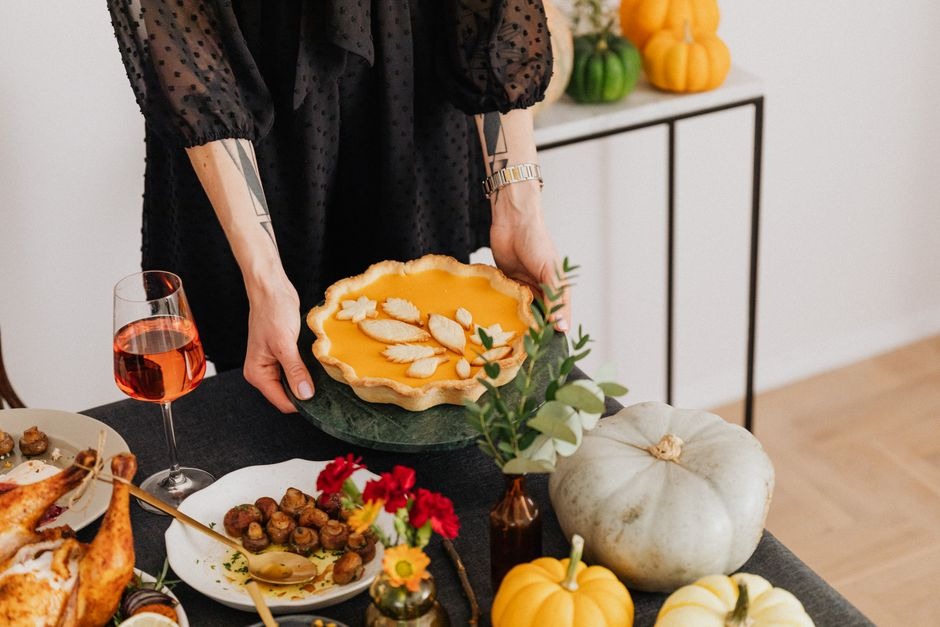
Choose one showpiece dessert and one easy option. Pumpkin pie plus apple crisp works well because you get tradition and variety without baking six things. Whipped cream, vanilla ice cream, or a simple caramel sauce can make modest desserts feel generous.
After dinner, store leftovers quickly and safely. Turkey, gravy, stuffing, and cooked vegetables can become sandwiches, soups, grain bowls, or pot pie filling. The Canadian Partnership for Consumer Food Safety Education offers useful reminders on handling leftovers properly. A smart host plans for the next day too, because Thanksgiving magic includes opening the fridge and seeing another excellent meal waiting for you.
Photo Gallery




Comments