Blog
How to Take Your Home Catering Business Mobile
Many
passionate home cooks dream of sharing their family recipes with a wider
audience. Whether you have perfected a signature batch of gourmet brownies, a
rich pasta sauce, or a savoury street food dish, making the leap from a
residential kitchen to a commercial enterprise is an exciting journey. Taking a
catering business mobile offers a fantastic blend of flexibility, lower
overheads, and the ability to travel directly to your customers. With a recent
industry shift towards experiential dining, diners are actively eager to
discover new food and beverage concepts, giving mobile caterers a distinct
advantage over traditional banquet halls.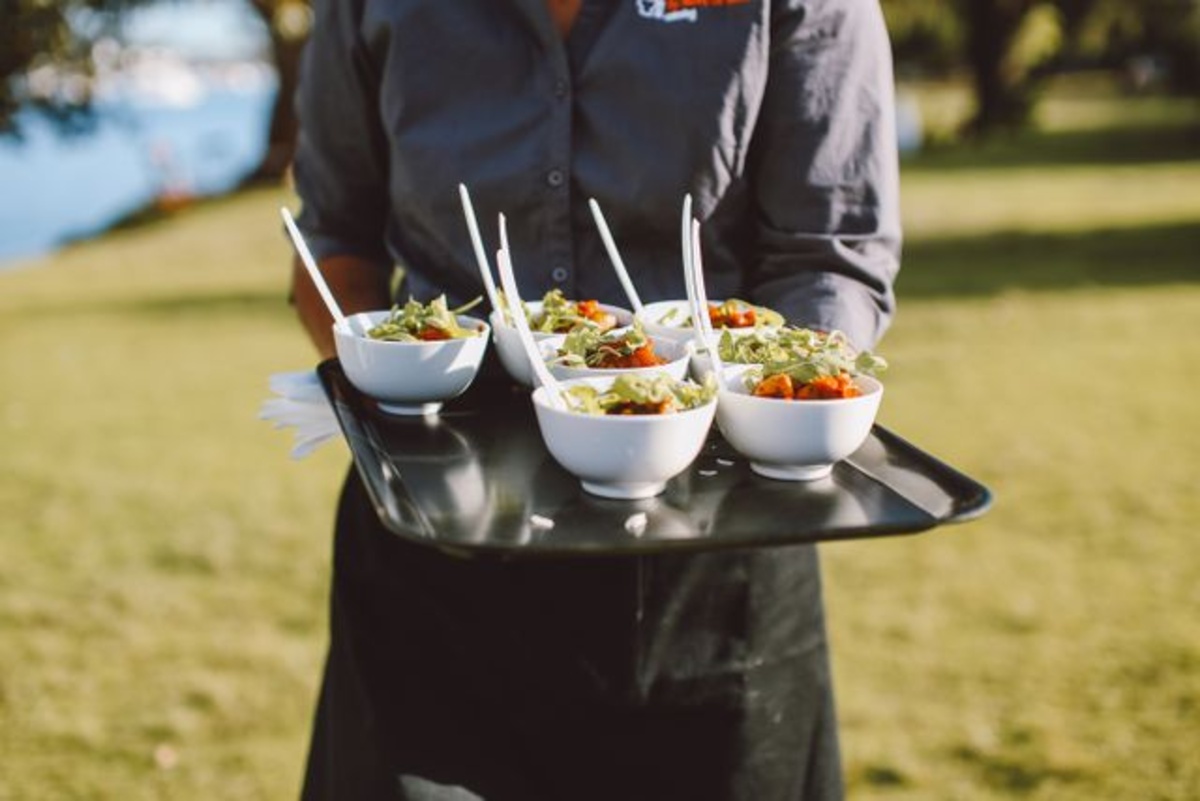 Photo by Rachel Claire
Laying the Groundwork for Growth
Before you even look at vehicle options and decide to buy food trailer models, you need to ensure your business foundation is rock solid. Moving from cooking for friends to serving the public requires strict operational systems and a deep understanding of your audience. According to Restaurant and Catering Australia, nearly 60 percent of failed food businesses close due to a disconnect with customer preferences. This emphasises the need to aggressively test your menu at local community markets before investing heavily in physical infrastructure.
It
is crucial to perfect your batch-prep systems and food safety protocols early
on. Developing repeatable prep systems ensures your quality remains consistent
whether you are serving ten people or two hundred.
Understanding the Financial Commitment
The mobile food sector has experienced massive expansion in recent years, driven by entrepreneurs seeking lower startup costs compared to traditional brick-and-mortar restaurants. With the global food truck market expected to reach nearly $12 billion by 2034 according to Global Market Insights, starting a mobile catering venture offers a lucrative opportunity for those prepared to put in the work.
In
Australia, launching a fully operational mobile food vehicle typically requires
an initial investment between $50,000 and $100,000. When you factor in working
capital, point of sale systems, specialised insurance, and compliance costs,
high-end customised setups can require total startup capital of up to $130,000.
Careful budgeting and a clear understanding of your profit margins (which
typically range from 6 to 25 percent depending on ingredient cost management)
are essential before making any major purchases.
Choosing the Right Mobile Setup
Once your menu is tested and your financial plan is set, it is time to look at your physical workspace. Your vehicle needs to function as a highly efficient commercial kitchen on wheels, designed to withstand the rigours of high-volume service. When evaluating your budget and deciding on custom units tailored to your menu, prioritise layouts that support your specific cooking methods.
A
barista will need vastly different bench space and power requirements compared
to someone frying hot chips or assembling intricate tacos. Proper ventilation,
reliable power sources, commercial refrigeration, and compliant water systems
are non-negotiable features for a successful and safe mobile setup.
Essential Steps for Mobile Success
Transitioning from a home cook to a food business involves navigating a distinct set of operational and regulatory challenges. To ensure a smooth launch, here are the key areas you must address:
● Local Council Compliance: There is no
single national mobile food license in Australia. You must have your vehicle
inspected and registered by the Environmental Health Officers of the specific
local council where your unit is primarily housed.
● Strict Food Safety Standards: You must
comply with the Australia New Zealand Food Standards Code (specifically
Standards 3.2.2 and 3.2.3). Data from Food Standards Australia New Zealand
reveals that undeclared allergens accounted for 38 percent of all food recalls
recently, underscoring the need for strict allergen separation in your
commercial space.
● Eco-Friendly Packaging: Eco-conscious
catering is now a mandatory standard. Mobile food vendors must ditch single-use
plastics in favour of breathable kraft boxes, moulded sugarcane trays, and
zero-waste menu planning to meet modern consumer expectations.
● Targeting High-Value Events: The corporate
catering and wedding markets have shifted away from traditional chafing-dish
buffets. Couples and companies are increasingly booking mobile vendors to serve
highly authentic global flavour profiles, made-to-order freshness, and
late-night comfort snacks as a memorable reception experience.
Taking
your catering operation mobile is a thrilling way to turn a culinary hobby into
a thriving enterprise. By testing your menu, securing the right vehicle,
adhering to local safety standards, and keeping up with modern catering trends,
you can build a loyal customer base. The open road offers endless opportunities
to take your delicious creations wherever the crowds gather.
Photo Gallery



Comments