Blog
Steps to Take if a Prescription Drug Caused You Harm
Prescription medications can restore function, relieve symptoms, and prevent disease progression. In the United States, adverse drug events lead to more than 1.3 million emergency department visits each year, underscoring the scale of medication-related harm. In St. Louis, MO, and nationwide, patients who experience serious reactions deserve a clear path forward. When harm appears, the response should be organized and medically grounded.
Records, labels, photographs, pharmacy files, and clinical notes may clarify timing. Patients who believe their injury may be linked to Depo-Provera can visit the Depo-Provera lawsuit sign-up page to compare case information with their treatment records. These steps help an injured person protect health, preserve evidence, and make informed choices.
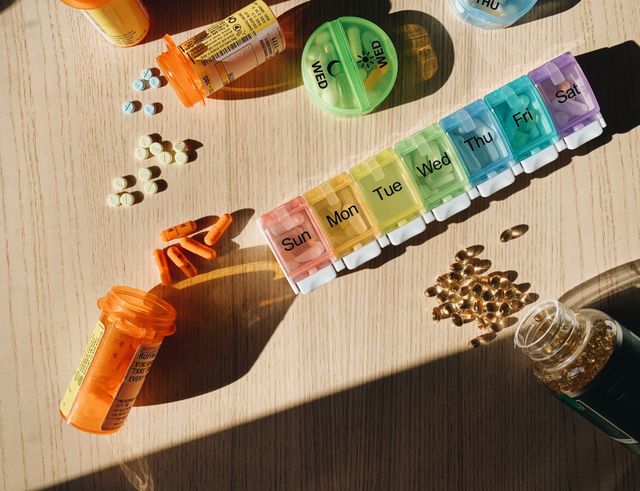
 Photo by Rufina Rusakova
Get Medical Care First
After a Depo-Provera injection, severe headaches, vision changes, seizures, or new neurological symptoms deserve prompt medical attention. Clinicians may order imaging, review hormone history, and document onset dates. Once urgent care is handled, legal research may include reviewing case information to compare with personal treatment records and diagnosis details.
Report Every Symptom
Unusual pain, rashes, swelling, mood shifts, breathing trouble, or cognitive changes should be reported with dates. Even mild reactions can show a pattern. The patient should describe dose timing, intensity, duration, and any improvement after missed medication. Clear reports help clinicians adjust treatment and identify warning signs.
Do Not Stop Alone
Some medicines require tapering, substitution, or monitoring. Abrupt withdrawal can trigger rebound symptoms, blood pressure swings, seizures, or hormonal disruption. Federal patient safety resources also recommend discussing all medication changes with a qualified provider. A prescribing clinician should explain how to pause or replace the drug safely. If symptoms feel urgent, emergency evaluation is appropriate. Written instructions reduce confusion later.
Save the Medication
Keep the bottle, box, leaflet, remaining tablets, injection records, patches, or applicators. Labels may list dose strength, refill dates, lot numbers, and dispensing pharmacy. Those details can connect a product to a reaction. Nothing should be discarded until medical and legal questions are reviewed.
Build a Timeline
A timeline should start before the first dose, not after symptoms begin. Include diagnosis, prescription date, dose changes, reactions, appointments, tests, work absences, and recovery milestones. Pharmacy texts, calendar notes, portal messages, and lab reports can support those entries. Simple order often reveals the clearest pattern.
Request Medical Records
Full records matter more than visit summaries. Hospitals, clinics, imaging centers, laboratories, specialists, and pharmacies may each hold different pieces. Requests should include medication lists, radiology reports, lab values, provider notes, discharge papers, and billing files. Store copies by date in one secure location.
Document Daily Impact
A short journal can capture changes that charts often miss. Record pain scores, sleep loss, dizziness, appetite shifts, missed duties, mobility limits, and medication side effects. Photos can show swelling, rash progression, bruising, or visible injury. Receipts for travel, prescriptions, devices, and home care should be kept.
Ask About Alternatives
A clinician may recommend a different medicine, a lower dose, added testing, or non-drug therapy. The patient should ask what risk the change reduces and which symptoms require urgent care. Shared decisions work best when benefits and hazards are stated plainly. Notes from that discussion may become important later.
File a Safety Report
The Food and Drug Administration accepts reports about suspected drug injuries through its safety system. A report can include product name, dose, timing, symptoms, treatment, and outcome. This filing does not replace medical care or legal guidance. It can, however, help regulators identify repeated harm signals.
Review Warning Labels
Medication guides, pharmacy handouts, and prescribing labels may describe known risks, screening advice, and warning symptoms. Older copies can matter if instructions changed after the prescription date. The patient should compare the received warnings with the injury experienced. Missing or unclear risk language may deserve closer review.
Avoid Public Claims
Online posts can be copied, misread, or quoted without clinical context. Injured people should avoid public guesses about causation, blame, or diagnosis. Private notes, medical records, and expert opinions carry more weight. During stress, careful documentation protects accuracy better than social media discussion.
Speak With Counsel
A prescription drug attorney can review records, limitation periods, product history, and possible claims. State rules differ, and filing windows may be short. An early consultation does not require litigation. It can show whether the injury matches known claims or needs further medical review.
Track Costs and Losses
Financial harm may include hospital bills, specialist visits, prescriptions, therapy, travel, lost wages, and future care needs. Pay stubs, invoices, insurance letters, tax records, and mileage logs should be saved. Family caregivers may also track unpaid support time. Organized proof helps show the full burden.
Conclusion
A suspected prescription drug injury deserves a calm, careful response. Medical evaluation comes first, followed by complete records, preserved packaging, safety reporting, and legal review when appropriate. Dates, symptoms, test results, costs, and provider notes can explain what happened with precision. With organized evidence and sound guidance, an injured person can protect health, reduce uncertainty, and choose the next step with confidence.
Photo Gallery




Comments