Blog
The Small Rituals We Keep Around the Family Table
Every kitchen runs on habits nobody ever wrote down. You stir the pot in one direction out of pure reflex. You set the table before anyone thinks to ask. Some of these habits are genuinely practical. Others are pure tradition, and they survive anyway.

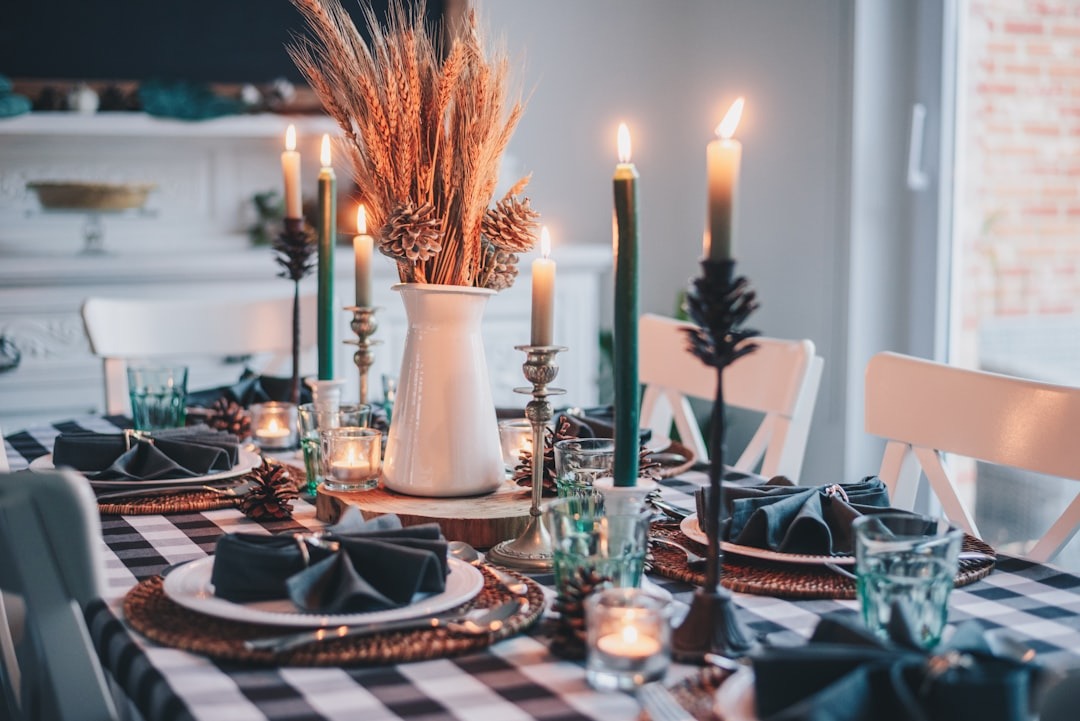
Photo by Libby Penner on Unsplash
Alt text: A family dinner table set with autumn vegetables and lit candles
Curiosity about symbols and signs sits close to that same impulse. Plenty of people now pull a card or read a horoscope for fun, and a free reading from TarotCards.io is one small version of that habit. None of it predicts your dinner, your week, or anything else. It simply puts a familiar shape around an ordinary evening. This piece looks at where our food rituals come from and why they stick.
Why Do Kitchen Rules Outlive Their Reasons?
Most kitchen superstitions began as practical advice. Do not put a hot pan straight into cold water. Do not open the oven in the first 20 minutes of a cake. The reason gets forgotten, but the rule survives the reason. What is left behind sounds like folklore rather than physics.
Food traditions travel the same way that stories do. They move with families, across borders, and down through generations. Researchers at the Smithsonian Center for Folklife and Cultural Heritage collect exactly these kinds of everyday customs. A recipe card is a document. So is the rule about never salting a dish twice.
You can usually spot 3 layers inside a single kitchen habit:
The original practical reason, often lost.
The family story attached to it later.
The comfort of doing it the same way again.
None of those layers need to be true to be useful. They give a repetitive task a bit of shape.
Handing a habit on is easier than explaining it. Children copy what they see at the counter long before they understand it. That is how a grandmother's way of folding pastry outlives her recipe box. The gesture gets inherited even when the reasoning does not.
Setting a Table Is a Ritual In Disguise
Nobody needs a folded napkin to eat a meal. We fold them anyway, because the gesture signals that something is about to begin. A set table is a signal that the day has changed gear. That signal is worth more than the linen.
The same logic drives the small flourishes people add for guests. A short guide to casual elegance at the table is really a guide to marking an occasion. Candles, a centerpiece, and a good bowl all do one job. They tell your guests they were expected.
What Does Seasonal Cooking Actually Change?
Seasonal eating is the most durable food ritual we have. Squash in October and berries in June are not arbitrary choices. They follow the harvest, and the harvest has always set the menu. Even a supermarket that sells everything year round has not broken that instinct.

Photo by Henry Kobutra on Unsplash
Alt text: Hands stirring a pot on a home kitchen stove
Cooks still plan around the calendar out of habit and pleasure. Looking at what is in season across the US right now is a modern version of an old chore. Storage habits follow the same calendar logic:
Winter squash keeps 2 to 3 months in a cool room.
Root vegetables hold for 4 weeks in the drawer.
Soft fruit is a 3 day proposition at best.
Federal food research tracks how households really eat across the year. The USDA Economic Research Service food choices work follows spending and consumption patterns over decades. Habit turns out to be a stronger driver than price alone. Cooks buy what they already know how to cook.
When Guests Arrive, the Rules Change
Hosting brings out habits that never appear on a quiet Tuesday. The good plates come down from the high shelf. Someone insists on a starter nobody asked for. These are not rules of hospitality so much as inherited nerves.
Most of them come from a simple wish to make people feel looked after. That wish is old, and it shows up in almost every food culture on record. The specific gesture varies enormously by region and family. The intention behind it barely varies at all.
It also explains why hosts repeat what worked last time. A menu that went well becomes the menu you trust. Repetition lowers the risk and calms the cook. Over 5 or 6 years, a trusted menu quietly turns into a tradition.
Which Traditions Are Worth Keeping?
A tradition should serve the cook, not boss her around. If a rule adds stress on a Tuesday, it has stopped earning its place. The best family habits are cheap, quick, and easy to skip. That is why they last for decades.
A few tests help you sort the keepers from the clutter:
Does it take under 5 minutes to do?
Does anyone in the house actually notice it?
Would you miss it if you skipped it once?
Can a tired cook still manage it?
Anything that passes those 4 tests is worth keeping. Anything that fails is just a chore wearing a costume.
Why the Old Habits Outlive the Recipes
Recipes change constantly in a working kitchen. Ingredients get swapped and cooking times get shortened. The rituals around the food change far more slowly. They are attached to people rather than to ingredients.
That is the quiet reason these habits matter. A recipe feeds a household on one night. A ritual gives the household something to repeat, which is how ordinary weeks turn into memories. Keep the ones that make your kitchen feel like yours.
Frequently Asked Questions About Food Traditions
Where Do Kitchen Superstitions Come From?
Most start as practical cooking advice with a real reason behind it. The reason gets forgotten over the years. The rule keeps getting passed along regardless.
Are Family Food Traditions Worth Keeping?
Yes, when they are small and genuinely enjoyable. They mark occasions and give the week a rhythm. Drop any that add stress to a busy night.
What Counts as a Table Ritual?
Anything repeated that signals a meal is starting. Folding napkins, lighting a candle, or one assigned seat all qualify. The gesture matters more than the object.
Does Cooking Seasonally Really Make a Difference?
It usually improves both flavor and cost. Produce picked in season travels less and tastes better. It also gives the year a natural menu.
Photo Gallery


Comments