Blog
What Every Homeowner Should Know Before Building a Custom Wine Cellar
Building a custom wine cellar is one of
those home projects that starts as a practical idea and quickly reveals itself
as something more, a design opportunity, a statement about how you entertain
and live, and an investment in both the home's functionality and its character.
Done well, a wine cellar is among the
most rewarding spaces you can create. Done without the right planning, it's an
expensive lesson in why the details matter enormously in this category.
Here's what homeowners who get this right
know before the first measurement is taken.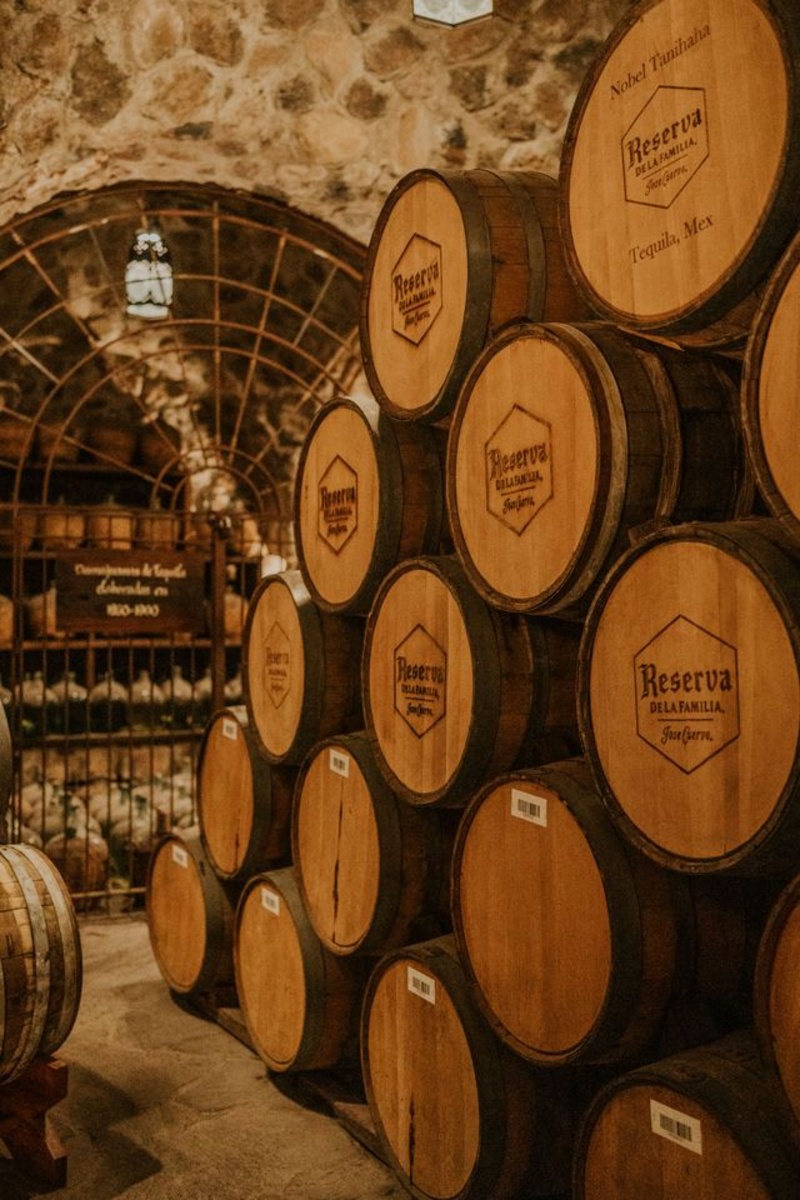
Photo by Amar Preciado
The Most Important Decision: Location
The location of your wine cellar
determines nearly everything that follows, the construction approach, the
climate control requirements, the design possibilities, and the cost.
Basement installations are the traditional choice for good reason. Below-grade spaces
naturally maintain cooler, more stable temperatures that reduce the load on
mechanical climate control. They also provide practical separation from the
living areas, which minimises vibration and light exposure, both factors in
long-term wine storage quality.
Under-stair installations have become increasingly popular in homes without basement space.
They're architecturally elegant, make good use of space that's otherwise
functional dead space, and can achieve excellent climate control within a
compact footprint.
Living area and kitchen integrations, glass-enclosed wine rooms built into open-plan spaces — create
striking visual features that become focal points of the entertaining areas.
These installations require more robust climate control since they're not
insulated by earth or by the separation from conditioned living space.
The starting question, "where in my
home does a wine cellar make the most sense?", is one that deserves honest
assessment before any design conversations begin.
Temperature and Humidity: Getting the
Environment Right
Wine storage depends on maintaining a
stable environment that protects the wine as it matures. Temperature should
generally remain between 10°C and 15°C (50–59°F), with consistency being more
important than chasing a perfect number. Frequent fluctuations can affect the
seal and accelerate oxidation over time.
Humidity also plays a major role. Levels
between 50% and 70% help prevent corks from drying out while avoiding excess
moisture that can damage labels or encourage mould growth. Light exposure and
vibration should be minimised as well, particularly for long-term cellaring.
As noted in Forbes’ guide to storing wine at home, stable storage
conditions are one of the most important factors in preserving wine quality
over time.
Meeting these requirements successfully
is as much a technical consideration as a design one, which is why climate
control planning is such an important part of any custom wine cellar project.
Capacity Planning: Think Beyond Your
Current Collection
One of the biggest mistakes in wine
cellar design is building only for your current collection. A cellar that
starts full leaves little room for future purchases, and expanding later is
usually far more expensive and disruptive.
A better approach is to plan for where
your collection may be in the next five to ten years, not just where it is
today. It’s also important to consider bottle variety. Standard racks suit
typical 750ml bottles, but collections that include magnums, larger formats, or
spirits often require more flexible storage configurations.
Combining individual bottle racks with
case storage usually provides the best long-term versatility.
The Design Elements That Elevate a
Wine Cellar
Capacity and climate control are the
functional requirements. The design elements are what transform a functional
storage room into a genuinely beautiful space.
Racking material and style sets the aesthetic tone. Solid wood racking, particularly redwood,
mahogany, or pine, has been the traditional choice because of its natural
humidity resistance and visual warmth. Metal and acrylic racking creates a more
contemporary character. The choice should reflect both the intended aesthetic
and the cellar's broader context within the home.
Lighting design is critical and often underinvested. The combination of ambient
lighting that reveals the collection and accent lighting that highlights
specific areas or architectural features creates a cellar that looks as good as
it functions. LED lighting integrated into the racking is both practical and
visually impressive.
The entrance,
whether a heavy wooden door, a glass door that reveals the collection from
adjacent spaces, or a glass wall that makes the cellar a display feature, is
the primary design statement of the installation.
For homeowners in Texas planning this
kind of project, the portfolio of Fredericksburg wine cellars built by Certified
Wine Cellars demonstrates what's achievable when technical expertise and design
capability come together. They provide installations that perform to the
standards serious collectors require and look genuinely extraordinary doing it.
Budget Realism: What Drives Cost in a
Wine Cellar Project
Wine cellar costs vary dramatically based
on size, specification, and finish level. Understanding what drives cost helps
homeowners make informed decisions about where to invest and where to simplify.
Climate control equipment is a significant cost driver, but it's also the element most directly
responsible for whether the cellar actually protects the wine. This is not the
area to economise in a serious wine cellar.
Racking
varies from relatively affordable pine modular systems to fully custom hardwood
installations that represent significant cabinetry investment. The choice
depends on the cellar's design aspirations and the collection's scale.
Construction and insulation costs are driven by the location and what modifications to the
existing structure are required. Basement conversions tend to be less expensive
than ground-level installations that require more robust insulation and vapour
barrier work.
Finishing elements, flooring, lighting, door, glass, are where design character is
established and where a wide range of price points exist.
Getting detailed quotes with specific
product specifications before committing ensures there are no surprises in the
construction phase.
Conclusion
A custom wine cellar is one of those home
investments that rewards the effort of getting the details right, in planning,
in specification, and in the selection of builders who genuinely understand
both the technical requirements and the design opportunities.
The homeowners who end up with wine
cellars they love, and wine that's genuinely well-protected, are those who did
the upfront thinking about location, environment, capacity, and design before
the first nail was driven.
Start with that thinking. The rest
follows.
Photo Gallery




Comments