Blog
What Makes Chinese Cuisine Beloved by Foodies
Chinese
cuisine has earned a special place in the hearts of food lovers around the
world for its memorable flavors and rich culinary heritage. In the Philippines,
centuries of trade and cultural exchange introduced Chinese ingredients and
cooking techniques that eventually became part of everyday Filipino
cuisine—noodles, dumplings, and soy-based flavors are just a few examples of
this lasting culinary connection. Today, Chinese restaurants
in Cebu,
Manila, and other regions in the country continue to celebrate this shared
culinary heritage, serving both traditional favorites and modern
interpretations.
Beyond
its influence on Filipino food culture, Chinese cuisine continues to captivate
foodies around the world. From its rich regional traditions to its distinctive
flavors and time-honored techniques, here are some of the reasons why Chinese
food remains one of the world's most beloved cuisines.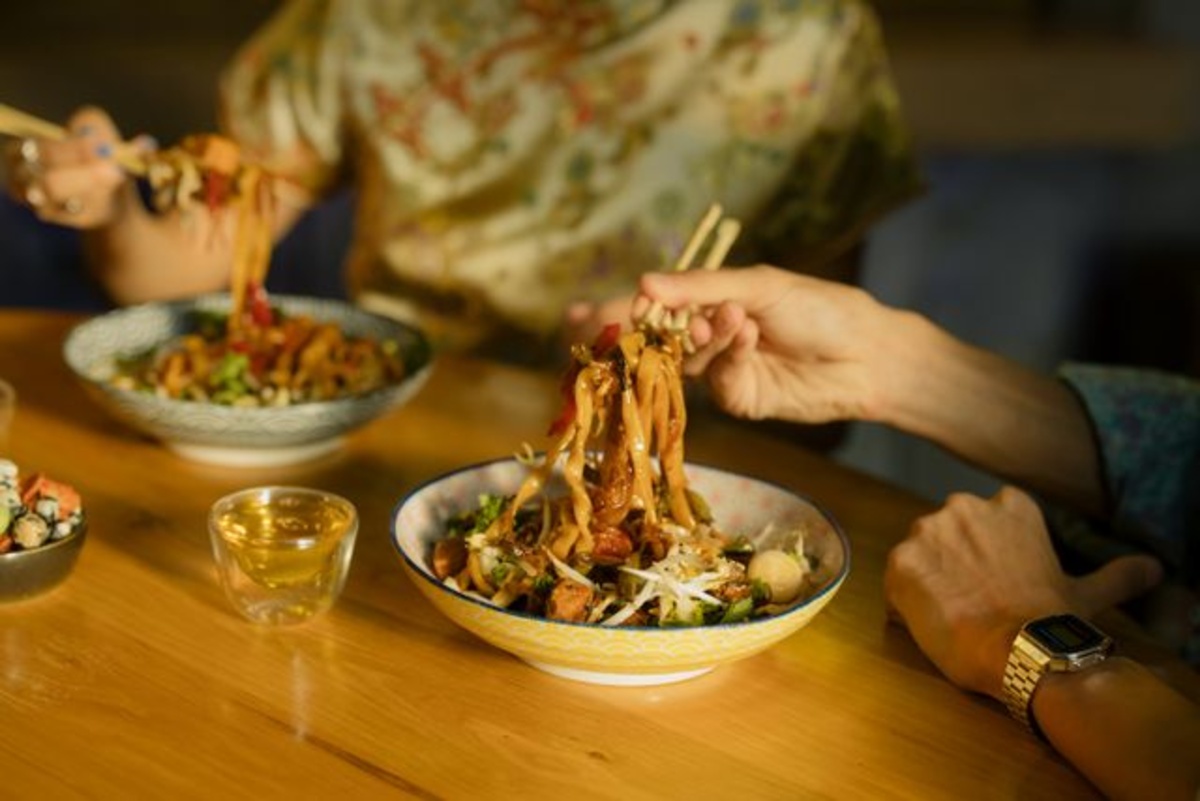
Photo by cottonbro studio
1. Chinese Cuisine Is a World of Regional Diversity
One
of the greatest reasons foodies love Chinese cuisine is its incredible regional
diversity. Many people outside China refer to “Chinese food” as if it
represents one unified style, but China’s culinary landscape is much more
complex. The country’s vast geography, varied climates, and diverse cultures
have shaped countless regional cuisines, each with its own cooking methods and
flavor profiles.
For
example, Sichuan cuisine has become famous worldwide for its bold and exciting
flavors. Sichuan chefs create memorable dishes by combining chili peppers,
garlic, fermented ingredients, and Sichuan peppercorns, which produce a
distinctive tingling sensation known as mala. This balance of heat and numbing
spice creates a unique experience that appeals to adventurous eaters. Classic
dishes such as mapo tofu and Sichuan hot pot showcase the region’s
ability to create powerful flavors while maintaining complexity and depth.
Meanwhile,
Cantonese cuisine, showcased by restaurants like Mott 32 in Cebu, takes a
different approach by emphasizing freshness and precision. Cantonese chefs
often allow high-quality ingredients to speak for themselves rather than cover
them with heavy seasoning. They master techniques such as steaming, roasting,
and stir-frying to preserve natural flavors and textures. Dim sum, steamed
seafood, and roasted meats demonstrate the careful craftsmanship that defines
this culinary tradition.
2. Chinese
Chefs Have Mastered the Art of Texture
Although
flavor plays an important role in any cuisine, Chinese cooking places
exceptional emphasis on texture. Chinese chefs understand that a memorable dish
should engage more than just the sense of taste.
For
instance, a dish may combine both crisp and tender elements to create contrast.
Sweet-and-sour pork offers a satisfying crunch on the outside while maintaining
a juicy interior. Stir-fried vegetables preserve their natural freshness by
maintaining a slight crispness rather than becoming mushy and overcooked. Tofu
dishes demonstrate another side of Chinese culinary expertise by transforming a
simple ingredient into something silky and deeply flavorful.
Noodles
also reveal the importance of texture in Chinese cuisine. Different regions
produce noodles with distinct characteristics, from thin and delicate strands
to thick, chewy varieties made by hand. The process of making and preparing
noodles requires skill because chefs must understand how ingredients, cooking
time, and preparation methods influence the final texture.
3. There’s a Perfect Balance of Flavors
Chinese
cuisine captivates food lovers because it achieves remarkable harmony between
different flavors. Chinese chefs often bring together sweet, salty, sour,
bitter, spicy, and savory flavors to create a complete experience. A dish may
use sweetness to soften spice, acidity to brighten richness, or fermented
ingredients to add depth. This approach allows individual flavors to stand out
while still working together as part of a larger composition.
Essential
ingredients such as soy sauce, rice vinegar, ginger, and aromatic spices help
create these layered flavors,
giving dishes character and depth. Fermented foods,
in particular, contribute complex savory notes that develop over time and
create flavors that are difficult to replicate.
For
foodies, this balance represents one of the most fascinating aspects of Chinese
cuisine. A dish may appear simple at first glance, but every ingredient serves
a purpose. The result is food that feels both comforting and sophisticated.
4. Their Culinary Technique and Craftsmanship Enhance the
Dishes
Chinese
cuisine has earned admiration because it reflects generations of culinary
expertise. Many traditional cooking methods require precision and experience,
and chefs often spend years mastering these techniques.
One
of the most celebrated examples is wok hei, the smoky aroma created when
ingredients cook quickly over intense heat in a wok. Achieving true wok hei
requires careful control of temperature, timing, and movement. A skilled chef
knows exactly when to add ingredients and how to preserve the texture of each
component.
Knife
skills also play an important role. Chinese chefs carefully cut ingredients
into specific shapes and sizes because the way food is prepared influences
cooking time and presentation. Even preservation methods such as fermentation
and pickling demonstrate culinary intelligence by extending the life of
ingredients while creating new layers of flavor.
5. There’s Something For Everyone
Another
reason Chinese cuisine remains beloved is its incredible range. Simple foods
such as noodles and stir-fries demonstrate the comfort and practicality of
Chinese home cooking. These dishes often rely on affordable ingredients but
achieve remarkable flavor through careful preparation and technique.
At
the same time, Chinese cuisine includes impressive banquet traditions featuring
dishes such as roast duck, seafood specialties, and elaborate regional
creations. These meals showcase culinary artistry and often appear during
weddings and major celebrations.
Why
Chinese Cuisine Continues to Inspire Foodies
Chinese
cuisine offers more than just a satisfying meal. It also provides a window into
centuries of tradition and cultural exchange. Whether you're enjoying authentic
regional specialties or discovering new favorites, every dish offers an
opportunity to experience one of the world's richest culinary traditions.
That's what keeps food lovers coming back for more, one flavorful bite at a
time.
Photo Gallery





Comments