Blog
Which Wax Types Perform Best in Custom Silicone Candle Molds
Silicone molds have become a popular choice for candle makers because they offer flexibility and allow for detailed designs. These molds can handle different shapes and sizes with ease. However, the type of wax you use affects how well your candles turn out.
The right wax makes a difference in how easily candles release from silicone molds, how well they hold their shape, and how they burn. Some waxes work better for detailed designs, while others provide a cleaner release or a stronger scent. Different waxes also affect the final texture and appearance of your candles.
This guide looks at five main wax types and how they perform in custom silicone molds. Each wax has its own strengths, from natural finishes to sharp details. Understanding these differences helps you pick the best option for your project.
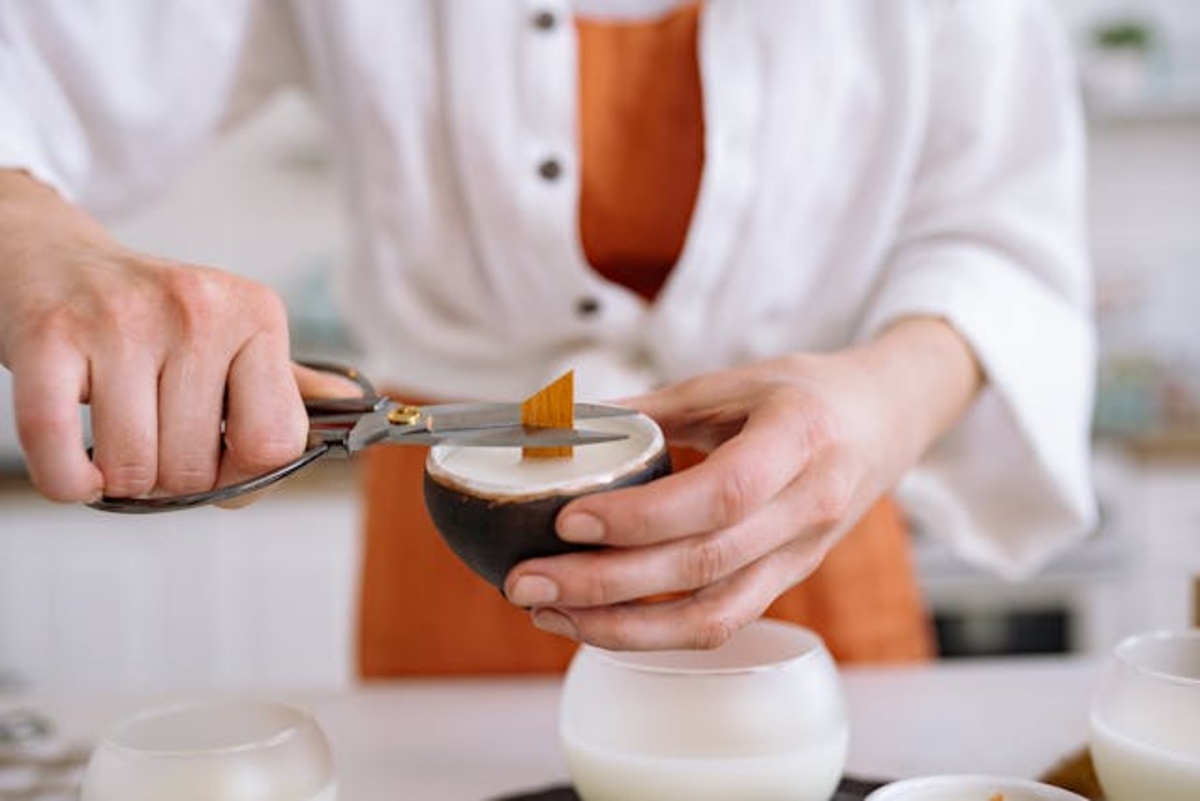
Photo by Yan Krukau
Soy Wax for easy release and consistent scent spread
Soy wax works well with custom silicone candle molds because it releases cleanly after it cools. The natural properties of soy wax prevent it from sticking to silicone surfaces. Therefore, candle makers can remove finished candles without damage or residue.
This wax type also provides steady scent distribution throughout the burn. Soy wax holds fragrance oils effectively and releases them at an even rate. The lower melting point allows scent molecules to disperse gradually rather than all at once.
Soy wax comes in flake form, which makes it simple to measure and melt. The material reaches its liquid state at temperatures between 120 and 180 degrees Fahrenheit. This temperature range gives candle makers better control during the pouring process.
The wax bonds well with various fragrance types and produces minimal smoke. Additionally, soy wax creates a smooth surface finish that looks professional in decorative molds. These qualities make it a practical choice for both beginners and experienced candle makers.
Paraffin Wax for Sharp Detail and Firm Shapes
Paraffin wax stands out for its ability to capture fine details in custom silicone candle molds. The wax holds its shape well after it cools, which makes it ideal for complex designs. Candle makers who want precise edges and clear patterns often choose this option.
This type of wax has a harder finish than many alternatives. As a result, candles made from paraffin keep their form at room temperature without any softening. The firmness also helps the candles release from silicone molds without damage to delicate features.
Paraffin works well with both simple and complex mold designs. The wax flows smoothly into all corners and crevices of the mold. However, some candle makers need to add certain products to get the best results. These additions help prevent surface issues and improve the final appearance of the candle.
Beeswax for a natural finish and slow burn
Beeswax stands out as a premium choice for custom silicone candle molds. This natural wax comes from honeycomb and offers a distinct honey scent that many candle makers value. It releases from silicone molds with ease due to its smooth texture.
The burn rate of beeswax is notably slower than that of most other wax types. This slow burn means candles last longer and provide better value. The flame burns brighter and cleaner compared to many alternatives, which produce less soot in the air.
Beeswax candles also hold their shape well in silicone molds. The wax naturally creates sharp details and firm structures after it cools. However, makers should note that beeswax costs more than soy or paraffin options.
The natural golden color of unfiltered beeswax adds a warm look to finished candles. Filtered versions appear lighter and more uniform in tone. Both types work effectively with silicone molds and deliver the same slow-burning benefits.
Coconut Wax for smooth texture and excellent scent throw
Coconut wax comes from the meat of coconuts and offers a creamy, smooth texture that works well with silicone molds. This natural wax provides a clean burn with minimal soot. It has become popular for custom candle projects because it delivers strong scent performance.
The wax has excellent adhesion properties. It sticks to silicone molds better than many other wax types and releases easily once it sets. This makes it a practical choice for detailed mold designs.
Coconut wax holds fragrance oils well and releases scent effectively as the candle burns. However, it tends to cost more than soy or paraffin wax. Many candle makers blend it with other waxes to balance performance and price.
This wax type burns slowly and evenly. It produces a luxurious finish that appeals to customers who want premium candles. The natural origin and biodegradable properties also make it a sustainable option for eco-conscious makers.
Palm Wax for crystalline appearance and durability
Palm wax stands out in silicone molds because it creates a unique frosted, crystalline finish that other waxes cannot match. The wax forms natural feather-like patterns as it cools, which gives candles a modern and distinctive look. This crystalline structure happens because palm wax has a high melting point and specific fatty acid content that sets it apart from alternatives like soy or paraffin.
Beyond aesthetics, palm wax offers excellent durability for molded candles. It remains hard and resists melting even in warm conditions, so pillars and votives hold their shape well. The wax contracts significantly as it cools, which makes removal from silicone molds much easier than with softer wax types.
Palm wax also holds fragrance effectively and accepts color dyes without difficulty. Crafters typically work with it at around 180°F and can add scents at ratios up to 0.5 ounces per pound. This combination of visual appeal and practical performance makes palm wax a solid choice for decorative molded candles.
Conclusion
The right wax choice makes a real difference in how candles turn out with silicone molds. Soy wax and paraffin both work well for most projects, though each has different strengths. Harder waxes hold details better and release more easily from molds. Test small batches first to find what works best for specific designs and preferences.
Photo Gallery




Comments