Blog
Why Coffee Tastes Better in Some Cafés Than Others (And It's Rarely Just the Beans)
There is a café in almost every town that people recommend without hesitation. Ask a local where to find the best coffee and they'll almost always point you toward a place with a line stretching out the door. It might not be the largest café, the most expensive, or even the one with the newest espresso machine, but somehow it serves coffee people remember long after they've forgotten what they ordered for breakfast.
It's tempting to believe the secret is hidden in exceptional beans sourced from a remote mountainside in Colombia or Ethiopia. Great beans certainly help, but they are rarely the whole story. In fact, two cafés can buy exactly the same coffee from the same roaster and still serve drinks that taste completely different.
One cup may be naturally sweet, smooth and beautifully balanced. The other can be bitter enough to make you reach for sugar. So what separates the memorable cafés from the forgettable ones?
The answer has surprisingly little to do with a single ingredient. Great coffee is usually the result of dozens of small decisions, each one made long before the drink reaches your table.
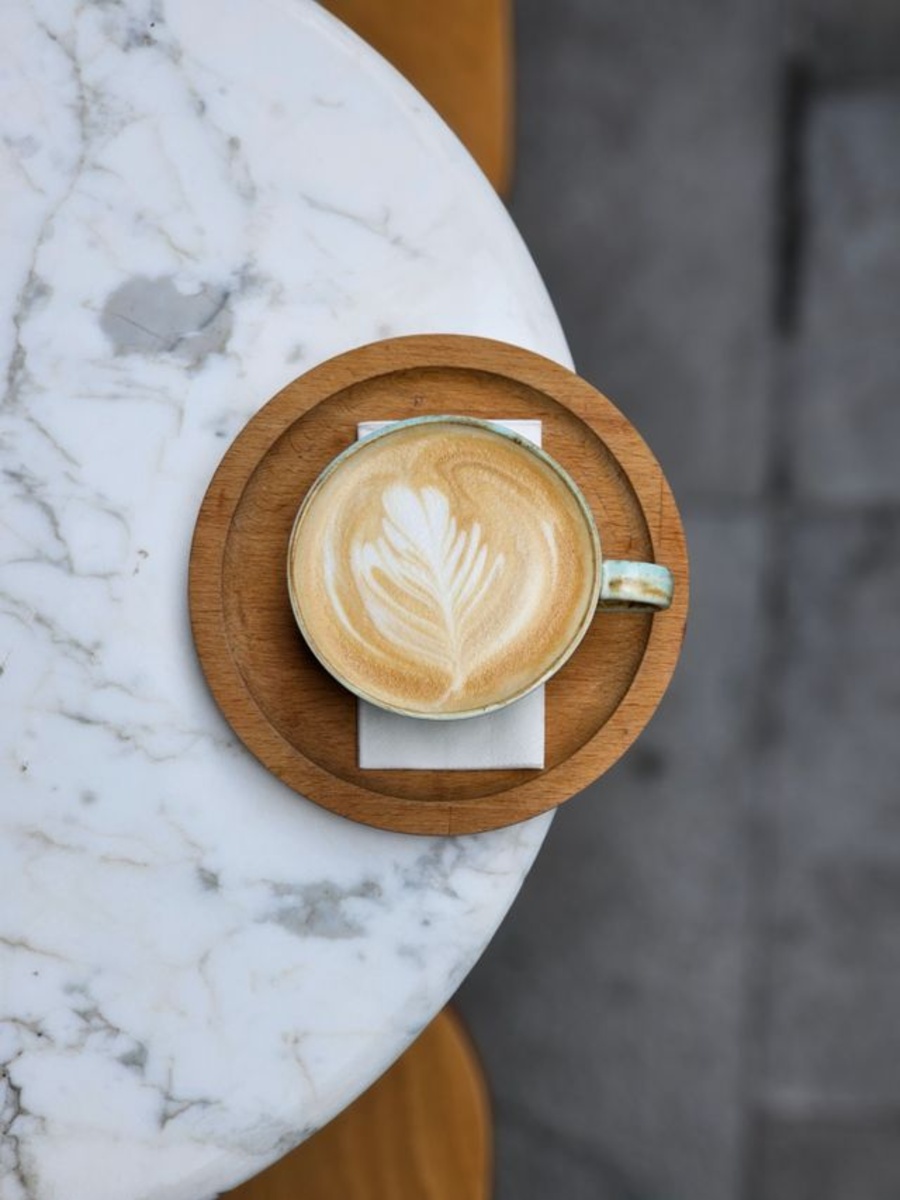
Photo by Arda Kaykısız
Great Coffee Begins Before the First Customer Arrives
Walk into a quality café before opening time and you'll rarely find the baristas standing around waiting for customers. More often, they're already adjusting grinders, testing espresso recipes and tasting coffee before serving the first drink of the day.
That might seem excessive, but coffee is remarkably sensitive. Temperature changes overnight, humidity changes throughout the day, and beans naturally evolve after they're opened. A recipe that produced the perfect espresso yesterday may need a slight adjustment this morning.
Unlike baking a cake, coffee isn't something you can measure once and repeat forever. It's a process that constantly changes.
The cafés that consistently produce exceptional coffee aren't necessarily using more expensive ingredients than everyone else. They're simply paying closer attention.
Fresh Beans Matter, But They're Only Part of the Story
The coffee industry understandably spends a lot of time talking about origin.
Single origin.
Direct trade.
Small batch.
Shade grown.
All of these can influence quality, but they sometimes distract from a much simpler truth. Coffee tastes better when it's fresh.
Roasted coffee gradually loses many of the aromatic compounds that create sweetness, complexity and character. It doesn't suddenly become undrinkable after a few weeks, but it slowly loses the qualities that make specialty coffee so enjoyable.
That's why many independent cafés proudly display roast dates instead of focusing only on branding. Freshness isn't a marketing phrase. It's an important part of serving consistently great coffee. Of course, fresh beans alone guarantee nothing. Excellent beans brewed poorly will still produce disappointing coffee.
The Grinder Deserves More Credit Than the Espresso Machine
Most customers admire the polished espresso machine behind the counter. Baristas often pay far more attention to the grinder. Professional grinders are designed to produce coffee particles that are remarkably consistent in size. That consistency matters because water extracts flavor from every tiny particle. If some grounds resemble powder while others are closer to coarse salt, the smallest particles quickly become over extracted while the larger ones remain under extracted.
The result is a cup that somehow tastes both bitter and flat at the same time. It may not be the most glamorous piece of equipment in a café, but it's one of the most important.
Water Quietly Shapes Every Cup
Coffee is almost 98% water, yet it's probably the ingredient people think about the least.
The mineral content of water affects extraction. Chlorine changes flavor. Water that is too hard or too soft influences how sweetness, acidity and bitterness appear in the finished cup.
This is one reason so many specialty cafés invest in sophisticated water filtration systems. It's not about chasing perfection. It's about removing unnecessary variables that make consistently great coffee harder to achieve.
The importance of these details is recognized throughout the specialty coffee industry. The Specialty Coffee Association has developed internationally recognized standards and educational resources covering everything from green coffee evaluation to brewing and sensory analysis, reflecting just how many factors influence coffee quality beyond the beans themselves.
Bitter Coffee Isn't Actually Normal
One of the biggest misconceptions surrounding coffee is that bitterness is simply part of the experience.
For generations we've accepted the idea that coffee needs sugar, flavored syrup or cream before it becomes enjoyable. It doesn't.
Bitterness is often the result of over extraction, stale beans, inconsistent grinding, poor water quality or roasting that's much darker than necessary. None of those things are inevitable.
Understanding why bitterness develops explains why one café consistently serves smooth, balanced coffee while another leaves you wondering whether coffee simply isn't for you.
If you'd like to explore the subject further, ProperBrew's guide explaining why coffee tastes bitter looks at the most common causes of bitterness and the simple changes that produce a smoother, more balanced cup.
Experience Still Makes the Difference
Even with excellent beans, carefully filtered water and outstanding equipment, coffee remains a craft. Experienced baristas notice details that most customers never see. They adjust grind size as humidity changes. They recognize when extraction time begins to drift by a few seconds. They taste coffee throughout the day instead of assuming yesterday's settings will still work perfectly.
None of these adjustments are dramatic. Most customers never realize they're happening.
Together, however, they explain why the very best cafés don't occasionally produce excellent coffee. They produce it every single day.
Bringing a Little Café Quality Home
The encouraging news is that making better coffee at home doesn't require spending thousands of dollars on commercial equipment. Buying fresher beans, using filtered water, grinding coffee immediately before brewing whenever possible, storing beans away from heat and sunlight, and paying a little more attention to brewing time can dramatically improve the final cup.
None of these changes are particularly difficult, but together they make an ordinary morning coffee feel remarkably close to something you'd happily pay for in your favorite café. Perhaps that's the biggest lesson of all.
Great coffee isn't about discovering some magical bean that nobody else can buy.
It's about respecting every step of the journey, from roasting and grinding to water quality and brewing. When all of those small details come together, the result is a cup that's naturally sweeter, smoother and far more memorable.
Once you start noticing those details, you'll never quite look at café coffee the same way again.
Photo Gallery



Comments