Blog
Why Practical, Flexible Nursing Education Appeals to Home-Centred Learners
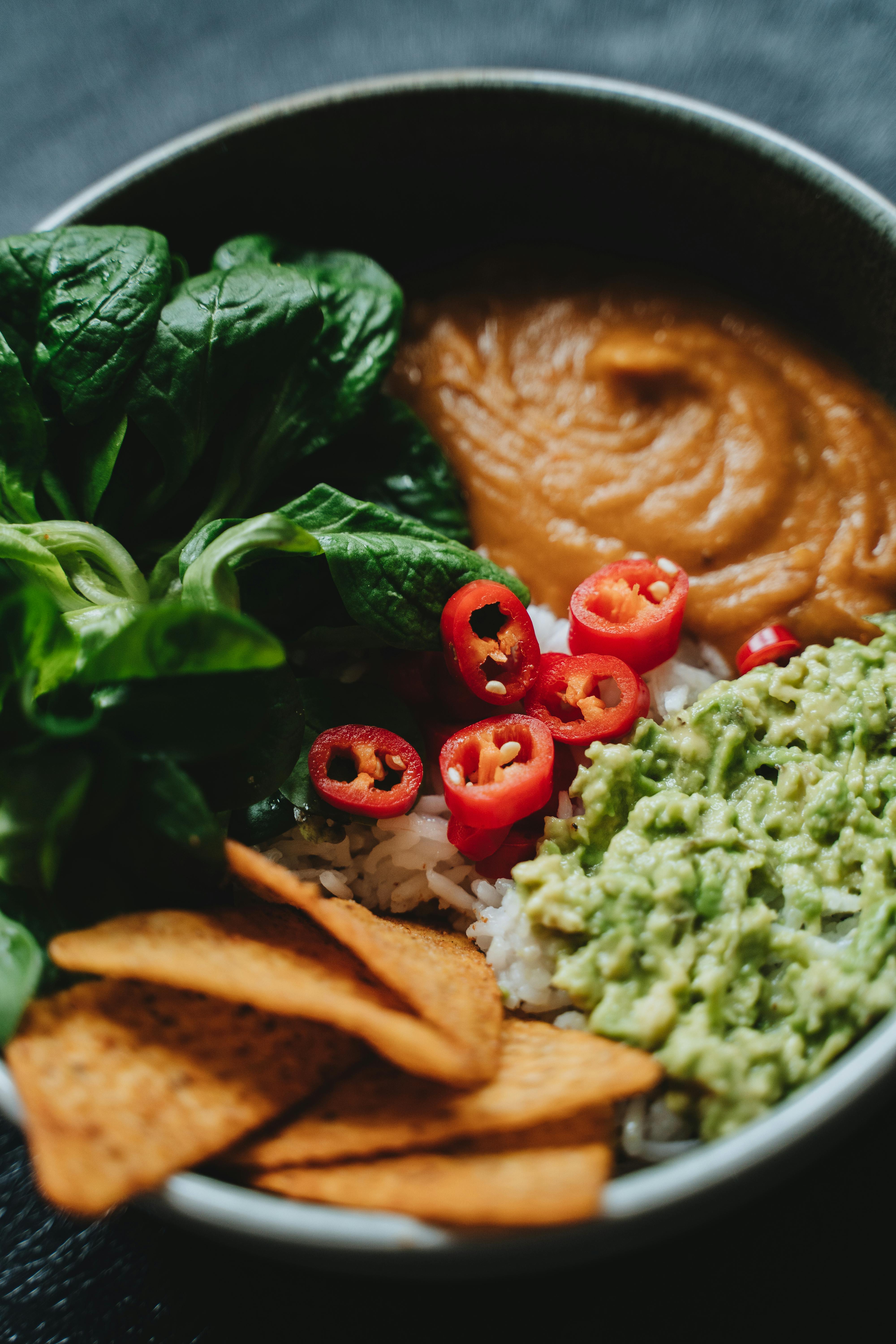
Flexible nursing education is certainly helping learners balance career goals with family and personal responsibilities. Online programs provide a well-structured, practical pathway to gain skills without sacrificing daily life.
Pursuing a career in nursing is often a big, life-changing decision that requires dedication, training, and hands-on experience. For lots of home-centred learners, traditional classroom formats and rigid schedules can create barriers to entry. Online and flexible programs are reshaping this landscape, making it possible to advance in healthcare while maintaining personal and family commitments.
Balancing Studying With Everyday Life
One of the most appealing aspects of flexible nursing education is its ability to integrate into daily routines. You no longer need to choose between attending on-campus classes and managing home, work, or caregiving responsibilities. Online platforms provide asynchronous lessons, allowing students to engage with course materials when it suits them, whether early in the morning, during a lunch break, or in the evening.
By offering modular coursework and accessible resources, these programs empower learners to control the pace and timing of their studies. This flexibility can reduce stress and promote a more sustainable learning experience, ensuring that educational goals complement rather than compete with personal life.
Expanding Career Opportunities
Flexible programs provide access to pathways that were previously difficult for learners balancing multiple responsibilities. Many students explore options such as accelerated BSN programs, which are designed for those with prior education or experience in related fields. These programs allow learners to enter the workforce faster, meeting growing demand for qualified nurses in hospitals, outpatient clinics and community care settings.
Graduates of flexible nursing programs often pursue careers as registered nurses, nurse educators, or healthcare administrators. Others may specialize in areas such as geriatric care, pediatric nursing, or mental health support. Online learning opens these opportunities to a wider audience, including those who may have previously thought professional advancement in healthcare was out of reach.
Applying Knowledge in Real-Life Health Scenarios
Practical application is a critical element of nursing education and online programs are increasingly designed to bridge theory with real-world skills. Through virtual simulations, case studies and supervised clinical placements, you gain the ability to assess patient needs, implement care strategies and respond effectively in complex situations.
This hands-on approach allows students to experience the nuances of healthcare environments such as hospitals, community clinics and rehabilitation centers. By translating academic knowledge into actionable skills, learners are better prepared to meet professional standards and build confidence in their decision-making and problem-solving abilities.
Supporting Personal Wellbeing Through Structured Learning
Maintaining balance between study, work and personal life is essential for long-term success. Flexible nursing education supports your overall wellbeing by allowing you to schedule learning around healthy routines, including proper sleep, exercise and nutrition.
Incorporating structured study periods alongside attention to personal health encourages students to stay energized and focused. Meals that nourish both body and mind can improve concentration, cognitive function and resilience: essential qualities for anyone preparing to work in demanding healthcare environments. This holistic approach ensures that learners are not only professionally capable but also personally equipped to handle the challenges of nursing.
It’s important to remember that effective care begins with caring for yourself. Nursing in real-world settings can be physically and emotionally demanding, requiring long shifts, rapid decision-making and high levels of empathy. By prioritising personal wellbeing, through sleep, proper nutrition, exercise, and stress management, learners develop the stamina and mental clarity needed to support patients safely and effectively.
Self-care is not indulgence; it is foundational, ensuring caregivers maintain their own health while providing consistent, high-quality care to others. This mindset, reinforced through flexible online learning, fosters resilience, longevity and sustained professional satisfaction.
Using Nursing Education to Foster Community Wellness
Beyond individual career advancement, flexible nursing programs foster knowledge that can positively impact families and communities. Learners develop skills in patient education, preventive care, and health promotion, which can be applied in everyday contexts to support loved ones and neighbors.
For example, graduates may share insights about managing chronic conditions, recognizing early symptoms of illness, or promoting healthier lifestyle choices. This ripple effect of education strengthens community health literacy and reinforces the value of lifelong learning. Flexible online programs allow you to develop these skills without disrupting family routines, combining professional growth with meaningful contributions at home.
In many U.S. communities, challenges such as rising rates of diabetes, hypertension, mental health concerns and limited access to preventive care affect residents’ daily lives. Nurses play a vital role in addressing these issues by providing education, early intervention and support tailored to local needs.
Through outreach programs, school health initiatives and community clinics, trained nurses help bridge gaps in healthcare access, promote healthier habits and support vulnerable populations. By applying their education in these real-world contexts, graduates contribute not only to individual patient wellbeing but also to the broader health and resilience of their communities.
Flexible and online nursing education is transforming how learners approach career development, personal wellbeing and community impact. By providing accessible, practical pathways such as accelerated BSN programs, these programs enable individuals to pursue professional goals while maintaining balance in daily life.
The combination of structured coursework, real-world application and adaptable learning schedules empowers students to grow professionally without sacrificing personal priorities. As the demand for qualified healthcare professionals continues to rise, flexible nursing education ensures that more people can enter the field prepared, confident and capable of making a difference in the lives of those they serve.
Photo Gallery


Comments