Blog
Why Tubas Are One of the Most Underrated Instruments in Music Learning
Ask most kids which
instrument they want to play and you'll hear guitar, drums, piano, maybe
violin. The tuba almost never makes that list. It's big, it's heavy, and
somewhere along the way it picked up a reputation as the instrument nobody
chose on purpose.
But that reputation
doesn't hold up when you look at what learning the tuba actually does for a
musician. It builds breath control, strengthens musicianship, and puts a player
in serious demand in almost every ensemble setting. Despite often being overlooked,
the tuba plays a vital role in bands, orchestras, and music education programs
around the world. The rest of the world is slowly catching up.
Below are five reasons
the tuba deserves a lot more credit than it gets in music learning
conversations.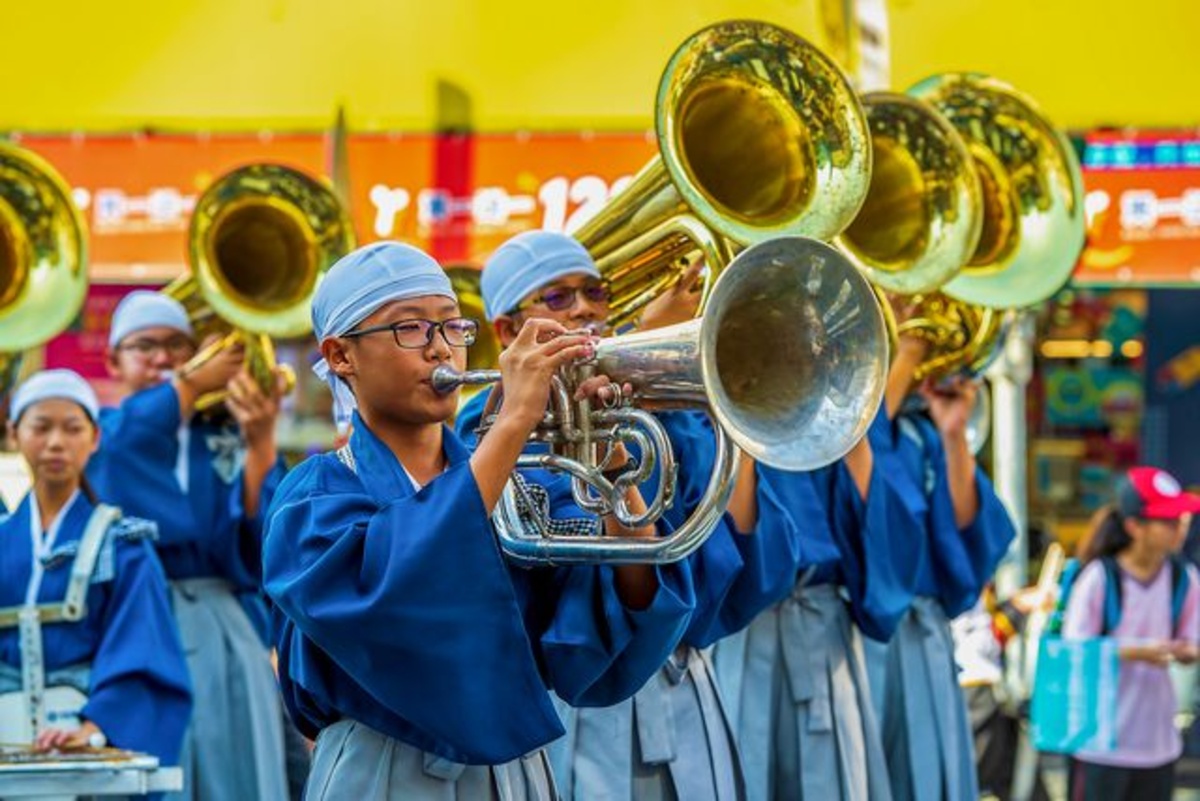
Photo by Klub Boks
1. It Teaches Breath Control
Better Than Almost Any Other Instrument
Breath control is one
of the most fundamental skills in music, and it applies far beyond wind
instruments. Singers, woodwind players, and even string players who understand
breath phrasing perform with more expression and consistency. The tuba demands
more air than any other brass instrument, which means players develop lung
capacity and breath management quickly and out of necessity.
This isn't just a
physical benefit. Learning to control your breath also teaches patience and
physical awareness in a way that translates across disciplines. Students who
start on tuba often develop a natural sense of musical phrasing that takes
other instrumentalists years longer to build. It's one of those quiet
advantages that doesn't show up on a practice chart but makes itself known in
performance.
2. Tuba Players Are Always in
Demand
Supply and demand is
real in music, and the tuba sits in a very favourable position. Most school
bands, orchestras, and brass ensembles need at least one tuba player, but very
few students choose the instrument voluntarily. That gap means a committed tuba
player rarely struggles to find a place in an ensemble, and often gets
opportunities that more popular instruments simply can't offer at the same
stage of development.
Students who have
spent time exploring tubas as a serious option often find that the
path to ensemble participation is shorter and less competitive than it is for
instruments like trumpet or clarinet where spots fill up quickly. As interest
in low-brass instruments continues to grow, specialist retailers such as
O'Malley Musical Instruments offer models suited to beginners, intermediate
players, and experienced performers alike. For a student who wants to perform
rather than wait on a bench, that's a meaningful advantage worth considering
early.
3. It Builds a Stronger
Foundation in Music Theory
Playing a low-pitched
instrument that functions as the harmonic foundation of an ensemble gives a
musician a very different relationship with music theory than playing a melody
instrument does. Tuba players spend most of their time reading and reinforcing
the bass line, which means they develop an instinctive understanding of chord
structure, harmonic progression, and how music is built from the bottom up.
In practice, this
makes tuba players unusually strong at music theory compared to peers at the
same stage. They hear music differently because they've been sitting inside its
structure rather than riding on top of it. That perspective is hard to teach in
a classroom but comes naturally through years of playing in an ensemble as the
instrument that holds everything else together.
4. The Physical Benefits Are
Backed by Research
Playing the tuba isn't
just good for musicianship. It has measurable physical benefits that are well
documented in music and health research. The deep breathing required to produce
sound on a low brass instrument strengthens the diaphragm, improves posture,
and increases overall lung capacity over time. These aren't incidental side
effects. They're consistent outcomes that show up across studies on wind
instrument playing.
Research published on Journal
of Voice examining the respiratory effects of wind instrument playing
found that regular practice leads to improved lung function and breathing
efficiency in musicians compared to non-players. For younger students
especially, those physical benefits compound over years of playing and
contribute to overall health in ways that go well beyond musical ability.
5. It Opens Doors That Other
Instruments Don't
Scholarships, ensemble
spots, and music program opportunities are often more accessible for tuba
players simply because there are fewer of them competing. University music
programs actively recruit low brass players. Military and professional bands
are consistently looking for qualified tuba players. Community orchestras and
brass bands often go years without finding a committed player at all.
Students who
participate consistently in ensembles show higher rates of college attendance
and career success. For a student who wants music to be part of their life long
term, choosing an instrument that keeps doors open rather than narrowing them
is a smart decision. The tuba, quietly and reliably, does exactly that.
Bringing It All Together
The tuba's reputation
as an afterthought in music education is genuinely undeserved. It builds real
skills, opens real opportunities, and puts a player in a position of value in
almost every musical setting they'll encounter. For parents and students thinking
carefully about which instrument to commit to, the tuba makes a stronger case
than most people realise. Sometimes the best choice is the one nobody else is
making.
Photo Gallery




Comments