Blog
Wooden Crucifixes, Bringing Craftsmanship, Tradition and Warmth Into Your Home
There was a crucifix in my grandmother's hallway that I could probably draw from memory even now. It hung just above the coat hooks, worn smooth in places where decades of hands had brushed past it on their way out the door. Nobody ever mentioned it. It was simply there, the way the kettle was there, the way the good tablecloth came out on Sundays. That quiet, unremarked presence is exactly what makes wooden crucifixes for home décor and prayer spaces so different from almost anything else you might put on a wall.
They're not shouting for attention. They're not trying to match the cushions. Crafted from natural materials, wooden crucifixes for home décor and prayer spaces combine timeless craftsmanship with a simple, elegant aesthetic that suits both traditional and contemporary interiors. That's rather the point of them. A piece of devotional art like this doesn't need to compete with your décor, because it was never meant to be décor in the ordinary sense. It's more of a sacred symbol that happens to also look wonderful, whether it sits above a proper home altar or simply above the door.
Once you have one in the house, it stops being an object you notice and becomes something closer to a companion. Not decoration so much as a quiet daily presence, there for the ordinary mornings and the difficult ones alike.
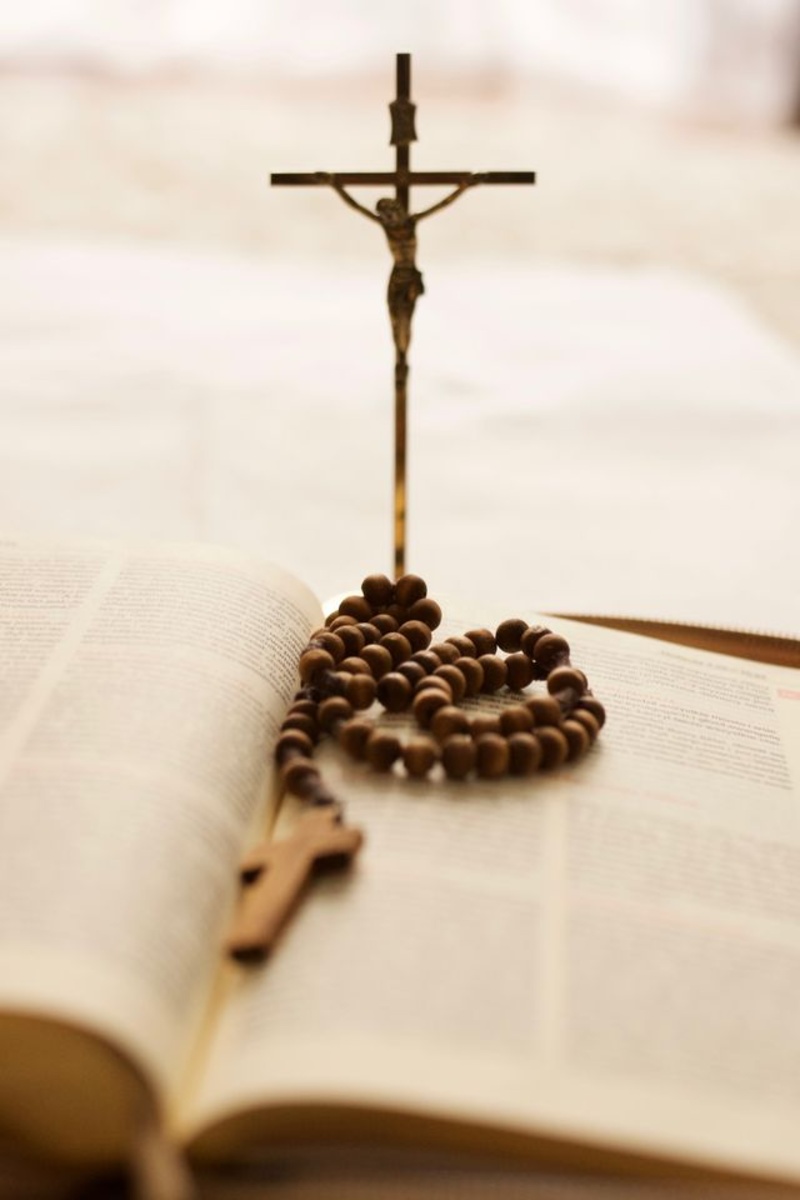
Photo by Anna Gańska
Why Wood Feels Different From Other Materials
Metal crucifixes have their own beauty, but there's something inherently cool about them, both literally and in tone. Plaster and resin versions can feel a touch formal, almost like they belong in a church gift shop rather than your kitchen.
Wood is warmer in every sense. It holds a bit of heat from the room. It has grain running through it like a fingerprint, meaning no two pieces ever look quite identical. And it ages beautifully, gaining a soft patina over years rather than looking tired the way some materials do.
There's also the handmade quality to consider. Even wooden crucifixes produced with skill and consistency still carry the sense of having passed through someone's hands, rather than simply rolling off a production line untouched by anyone at all.
A Tradition Carved Over Centuries
This isn't a new idea, of course. Wooden crucifixes have hung in Christian homes since long before anyone was thinking about interior design. Medieval workshops turned out crosses for churches and households alike, and the craft only grew from there.
Certain regions became genuinely famous for it. The Val Gardena valley in the Italian Alps, for instance, developed such a reputation for woodcarving that entire villages built their identity and livelihood around it, passing techniques down from one generation of carvers to the next.
That heritage still shapes the crucifixes being carved today. When you buy one now, you're benefiting from centuries of people quietly refining how to coax a face, a posture, a whole story out of a block of timber.
The Woods That Do the Talking
Different woods bring different personalities to the finished piece. Walnut tends to be rich and dark, giving a crucifix real visual weight. Oak is sturdier and paler, with a straightforward, honest sort of grain. Beech is smooth and even, often chosen for a cleaner, more contemporary look.
Then there's olive wood, which holds a special place in this tradition. Beyond its lovely swirling grain, no two pieces alike, it carries an association with the Holy Land itself, where olive trees have grown for thousands of years. Holding one, you're holding something that feels tied to the actual landscape of the Gospels.
Choosing the Right Crucifix for Your Space
Size matters more than people expect. A grand entrance hall can take a larger, more commanding piece, while a bedroom often calls for something smaller and gentler, perhaps positioned where it's the last thing you see before switching off the lamp.
Kitchens and home offices tend to suit mid sized crucifixes that can hold their own without dominating the room. The finish matters too. Natural oiled wood keeps things understated and lets the grain do the work, while stained or painted detail can bring out particular features of the carving, especially the face and hands.
Whatever you choose, the aim is the same. A wooden crucifix should anchor a room quietly, giving it a sense of purpose without ever feeling like it's competing for attention with everything else on the wall.
Quick Tips for Placing a Crucifix at Home
Above the main doorway, a traditional spot believed to bless those entering and leaving
In the bedroom, as the last thing seen before sleep and the first upon waking
In a kitchen or dining area, near where the family naturally gathers each day
In a home office or quiet reading corner, where it can serve as a focal point for reflection
A Crucifix as a Companion to Prayer
It's easy to think of a crucifix purely as decoration, but its real value shows up in the quieter moments. I think of mornings when the house is still half asleep and there's a cup of tea going cold because you've paused, just for a minute, in front of it.
Saying a decade of the rosary in front of a physical crucifix feels different to saying one anywhere else. There's something about having a visual anchor that helps the mind stay where it's meant to be, rather than drifting off towards the day's to do list.
This is really what turns a corner of a room into something closer to a genuine prayer corner. It doesn't require an elaborate setup. Often it's just the crucifix, a chair, and the willingness to sit there for a few minutes without rushing off.
The Gift That Says More Than Words
Some gifts get used once and forgotten. A wooden crucifix tends to do the opposite, becoming more meaningful the longer someone owns it. That makes it a natural choice for baptisms, confirmations, first communions, weddings, or blessing a new home.
There's something quietly generous about giving an object meant to last, rather than something disposable that will be gone within the year. It says you were thinking about the recipient's life beyond the immediate occasion.
Making It Personal
A small engraved detail, perhaps a name and date, can turn a beautiful crucifix into a genuine keepsake. Pairing it with a rosary or a small holy water font makes for a thoughtful bundle without ever tipping into anything showy or overdone. The sincerity is really the whole point.
Letting the Cross Set the Tone of Your Home
I still think about that crucifix in my grandmother's hallway, worn smooth by years of hands passing beneath it without a second thought. That's really the quiet magic of these pieces. They don't demand attention, yet somehow they still shape the character of everything around them.
At the end of the day, wooden crucifixes for home décor and prayer spaces aren't simply about how a room looks. They're about the atmosphere a home carries, the faith woven quietly into its corners, and the sense that some ordinary hallway might, one day, become someone else's cherished memory too.
Photo Gallery



Comments