Blog
3 Ways to Improve the Air Quality in Your Home

Image Pexels CC0 License
When you think of air pollution, images of factories billowing smoke from their chimneys or the haze of exhaust fumes on a busy highway may be the first things that come to mind. One thing that you probably won’t consider is your own home. Surprisingly, the air quality inside your home can be pretty poor. While your home may not be directly exposed to exhaust fumes or be anywhere near to a factory, it can still experience poor air quality.
Breathing in poor quality air can cause several health issues. For people who already have allergies or asthma, poor air quality can make their symptoms worse. In the long term, being continually exposed to poor-quality air could contribute to breathing problems, causing respiratory issues and cardiovascular disease. So, prioritizing clean air in your home is a must. Here are some of the ways you can help to improve the air quality in your home:
- Use an Air Purifier
Indoor air can be contaminated with a range of different pollutants. From mold spores to dust particles and volatile organic compounds (VOCs), there are many potential pollutants that could be lurking in the air in your home. Using an air purifier can help to clean up your air and remove many of the common pollutants that lurk in household air.
Air purifiers can certainly help to clean up the air in your home. But to get the best results, you need to choose the right air purifier for the job. Alen home air purifiers are available in different models that are suited to different room sizes. This helps to ensure that you choose the best possible air purifier to clean up the air in your home.
Reduce Condensation
Taking steps to reduce the amount of condensation in your home is an important task. Excess moisture inside your property can lead to the development of mold. Having black mold spores on your surfaces not only looks unattractive, it is also a potential health risk. When mold grows in your home, it can irritate the nose, eyes, throat, and skin. Some people are more sensitive to mold than others, and mold can be particularly problematic for people who are asthmatic. Opening windows in your home and using an extractor fan to prevent condensation forming in your home is essential. Doing this every time you take a shower or cook is a helpful way to reduce the chances of mold developing.
Keep Up With Cleaning
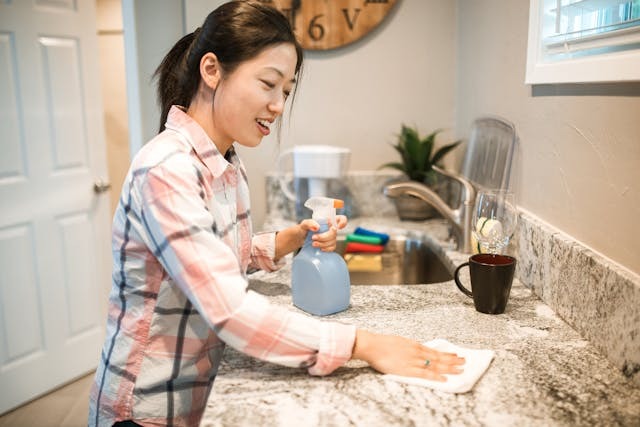
One final, simple step you can take to help clean up the air quality in your home is to stay on top of keeping it clean. Regularly wiping over your surfaces and vacuuming carpets and soft furnishings can go a long way to removing potential contaminants. Vacuuming and dusting regularly can help to remove dust, pollen, and pet dander, reducing the amount of pollution in your indoor air in the process.
Combining the above steps can make a big difference to the quality of the air you breathe at home.
Photo Gallery



Comments