Blog
A Food Lover's Guide to Curating and Storing Dinner Party Wines
Hosting a memorable dinner party is an art
form. While a spectacular menu often takes centre stage, the beverages you
serve can either elevate a meal or leave it feeling uninspired. For food
lovers, developing a personal collection of beautiful wines means you are
always prepared to host friends and family at a moment's notice. However,
building an exceptional collection requires more than simply buying a few
bottles from the local bottle shop. It requires thoughtful selection and proper
preservation.
Curating Your Entertaining Collection
The first step in building your home cellar
is selecting versatile bottles that can match a variety of culinary profiles.
You want to ensure you have light, crisp whites ready for delicate seafood
dishes, alongside bold, full-bodied reds that can stand up to a hearty steak.
Before you begin purchasing bottles for long-term keeping, you need a solid
foundation of pairing knowledge. A great starting point is learning how to choose the perfect wine for your next dinner party,
which will help you map out a well-rounded menu and beverage list. By curating
a diverse selection of varieties, you guarantee that you always have the ideal
pairing on hand, no matter what recipe you decide to tackle.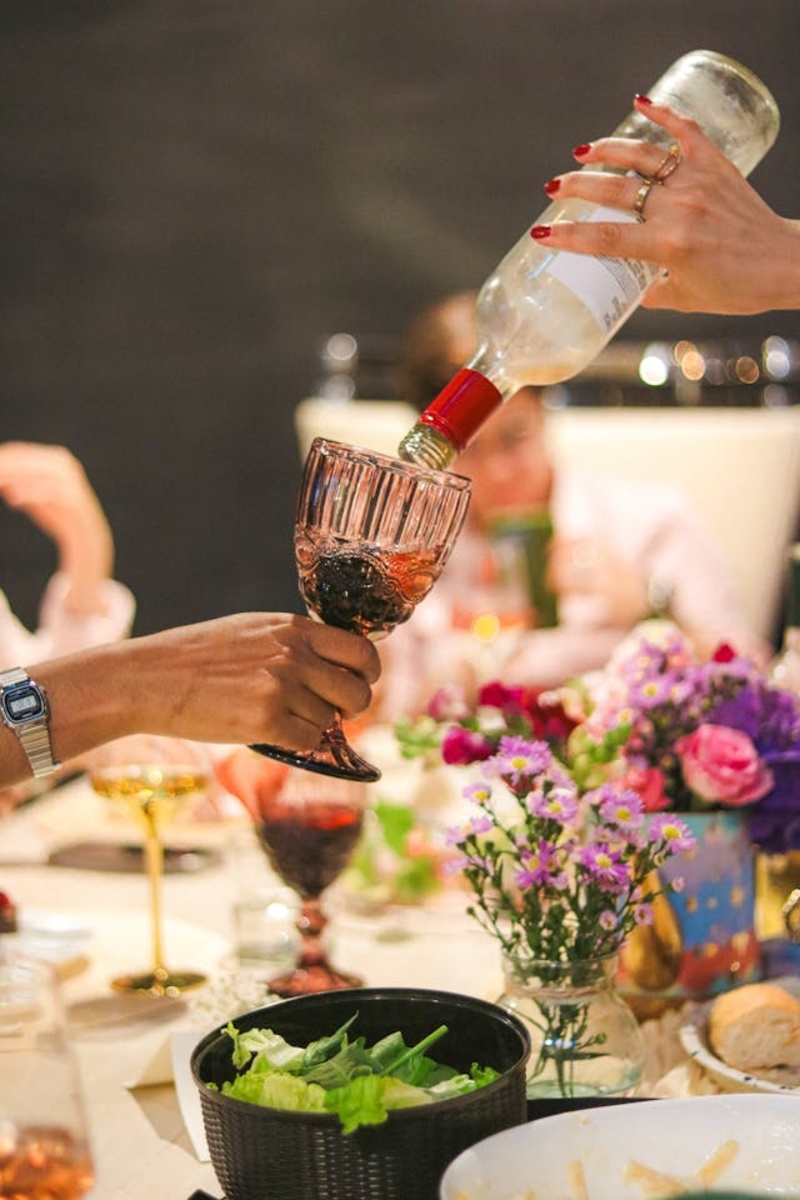 Photo by Jonathan Valdes
Securing the Ideal Environment for Your Bottles
Once you have thoughtfully selected your
favourite vintages, the next step is keeping them safe. Wine is incredibly
sensitive to its environment. Fluctuations in temperature, exposure to
ultraviolet light, and vibrations can quickly degrade the delicate flavours and
aromas of a premium bottle. If you are investing in high-quality vintages for
your gatherings, keeping them in a standard kitchen fridge or a warm pantry is
a recipe for disaster. Home chefs who want to protect their culinary
investments often seek out the best wine storage solutions available to
ensure their collections remain in pristine condition. Professional,
climate-controlled facilities provide peace of mind, ensuring that when you
finally pop the cork at your next celebration, the wine tastes exactly as the
winemaker intended.
The Science Behind Wine Preservation
Understanding how wine ages helps clarify
why a stable environment is so essential. Cork is a porous material that allows
trace amounts of oxygen to interact with the liquid, which helps complex
flavours develop over time. However, if the air is too dry, the cork can shrink
and allow excess oxygen to enter, ruining the wine entirely. Experts from the
Institute of Culinary Education note that maintaining specific conditions is
vital for protecting a wine through its developmental stages.
They recommend a constant storage temperature of roughly 55 degrees Fahrenheit
(around 13 degrees Celsius) and 70 percent humidity. Laying bottles on their
sides is also critical, as this keeps the wine in constant contact with the
cork, preventing it from drying out.
Essential Tips for Preparing and Serving
Storing your wine properly is only half the
equation. When the day of your dinner party arrives, how you prepare and serve
your carefully preserved bottles will dictate the final tasting experience.
Keep these essential steps in mind for flawless service:
●
Bring reds to ambient
temperature: Pull your red wines from storage a few hours before your guests
arrive so they can gently warm up to ideal cellar temperature, rather than
standard room temperature.
●
Chill whites appropriately:
Place white and sparkling wines in the fridge for a few hours, but avoid
serving them ice cold, as extreme cold masks their subtle fruit flavours.
●
Decant older vintages: Pouring
mature reds into a decanter helps separate the liquid from any sediment that
has formed during the ageing process.
●
Match the glassware: Serve bold
reds in wide-bowled glasses to allow for aeration, and use narrow flutes or
tulip glasses to preserve the effervescence of sparkling wines.
Curating a beautiful selection of wines adds a sophisticated touch to any home-cooked meal. By taking the time to understand flavour pairings and investing in proper preservation methods, you transform an ordinary dinner into an extraordinary culinary event. Your guests will undoubtedly appreciate the effort, and you will enjoy the satisfaction of serving a perfectly aged, flawlessly presented glass of wine every single time you host.
Photo Gallery



Comments