Blog
Best Japanese Tea Brands in the UK
Japanese tea has long been celebrated for its depth, elegance, and sense of ritual. Over the past few years, this sophisticated tradition has gained a strong following in the UK, where more people are looking beyond everyday blends in search of teas that reflect craftsmanship, authenticity, and wellbeing. From the rich umami of matcha to the roasted comfort of hojicha, Japanese teas have found their place among British tea tables and cafés alike.
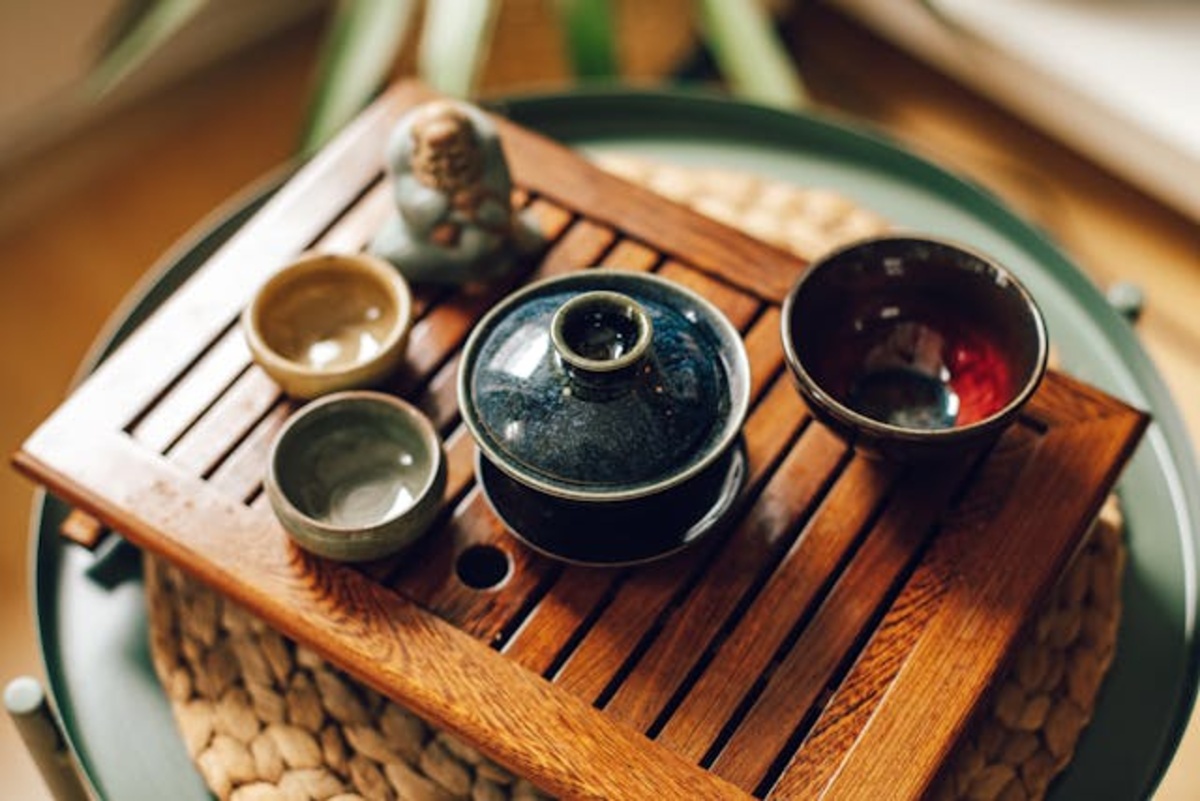
Photo by ROMAN ODINTSOV
The Growing Appeal of Japanese Tea
What draws many to Japanese tea is its purity and the thoughtful process behind every cup. Unlike most teas produced elsewhere, Japanese green teas are steamed immediately after picking to preserve their bright green colour and delicate flavour. Others undergo a careful roasting or shading process that completely transforms their personality. The result is a range of teas—from grassy and vibrant to toasty and mellow—that feel both refined and deeply comforting.
Across the UK, interest in Japanese tea has grown steadily thanks to an expanding number of specialist retailers, local tea rooms, and online brands importing directly from Japan. Each brand brings its own philosophy and flavour, often building close relationships with small family farms to ensure quality and sustainability.
Leading Brands Bringing Authentic Japanese Tea to Britain
Some of the most respected names include Ippodo and Tsujiri, both of which trace their roots to Kyoto, Japan’s long-revered tea capital. They have built international recognition for their exceptional matcha and sencha, offering UK customers everything from ceremonial-grade powders to gentle everyday brews. Their matcha, cultivated under shade for several weeks before harvest, is known for a creamy texture and smooth, umami-rich depth.
Closer to home, Chashitsu Japanese Tea Roasters in Edinburgh has made waves by combining traditional Japanese craft with thoughtful roasting techniques suited to British tastes. Their small-batch teas highlight how local innovation can harmonize with centuries-old practices. Kissa Tea, also available in the UK, provides accessible ceremonial matcha sourced directly from Kyoto, making it easier for people to prepare authentic Japanese tea at home.
Among these names, Haki Tea has also gained loyal fans across Britain. Being described by some as the best matcha brand, it sources directly from a small farm in Wazuka, Kyoto Japan, a region famous for its pristine hillsides and ideal growing conditions. Every tea reflects the care of hands that have cultivated the same land for generations. Rather than large-scale production, Haki Tea focuses on depth and quality—a philosophy shared by many of the best Japanese tea producers.
Its shade-grown sencha carries a naturally sweet, mellow flavour with faint notes of sea breeze, developed by limiting sunlight exposure in the weeks before harvest. The brand’s matcha, shaded for up to four weeks, yields a silky, vibrant green tea prized for its smooth finish and balanced richness. The same attention to tradition defines its hojicha powder —a roasted green tea that delivers comforting, nutty tones with subtle chocolate warmth—and its genmaicha powder, a toasted rice blend so richly aromatic and buttery that it practically melts on the tongue.
A Meeting of Tradition and Modern Taste
The UK’s growing fascination with Japanese tea also reflects broader shifts in taste. Consumers today value authenticity, health, and sensory experiences that bring a sense of calm to daily life. Japanese tea fits naturally into that rhythm. A mid-morning bowl of matcha offers focus without the jitters of coffee; a cup of hojicha in the evening soothes with its roasted aroma and low caffeine. Genmaicha, with its nutty profile, pairs beautifully with meals or desserts, while sencha remains a refreshing classic.
Beyond traditional brewing, many cafés now use premium Japanese teas in inventive ways—adding matcha to pastries, blending genmaicha into smoothies, and crafting hojicha lattes for a smoky alternative to coffee. The adaptability of these teas has helped them move from niche shelves into mainstream menus, where they’re enjoyed both for flavour and wellbeing.
The Character of Authentic Tea
Whether from Kyoto or Shizouka, the best Japanese teas share one defining trait: authenticity. Production is slow, deliberate, and deeply connected to place. Shade-grown leaves develop sweetness and chlorophyll under diffused light; careful steaming locks in delicate flavours; precise roasting releases aromatic compounds that add warmth and body. This patient attention to detail ensures that each cup tastes alive with the landscape it comes from.
Brands operating in the UK—be it Ippodo, Tsujiri, Kissa, Chashitsu, or Haki Tea—have helped introduce that spirit to a wider audience. Their products represent not industrial blends but family traditions passed through generations, now meeting the curiosity of British drinkers eager for something with real cultural integrity.
A Taste of Japan in Every Cup
Japanese tea offers something rare in modern life: a gentle pause wrapped in fragrance and ceremony. Each variety—sencha, matcha, hojicha, or genmaicha—invites a different moment of reflection, a different connection to the earth and season. It’s a side of tea that’s as much about appreciation as it is about enjoyment.
As more people in the UK embrace this quiet ritual, the country’s tea culture is becoming more diverse and meaningful. From Kyoto’s timeless matcha masters to small farms in Wazuka whose harvests reach cups through brands like Haki Tea, Japanese tea continues to bridge tradition and modern taste.
For those seeking something beyond the ordinary, these teas offer not just flavour but spirit—a reminder that the best things in life are grown slowly, crafted carefully, and shared with intention.
Photo Gallery




Comments