Blog
How Cooking Can Transform Your Daily Routine
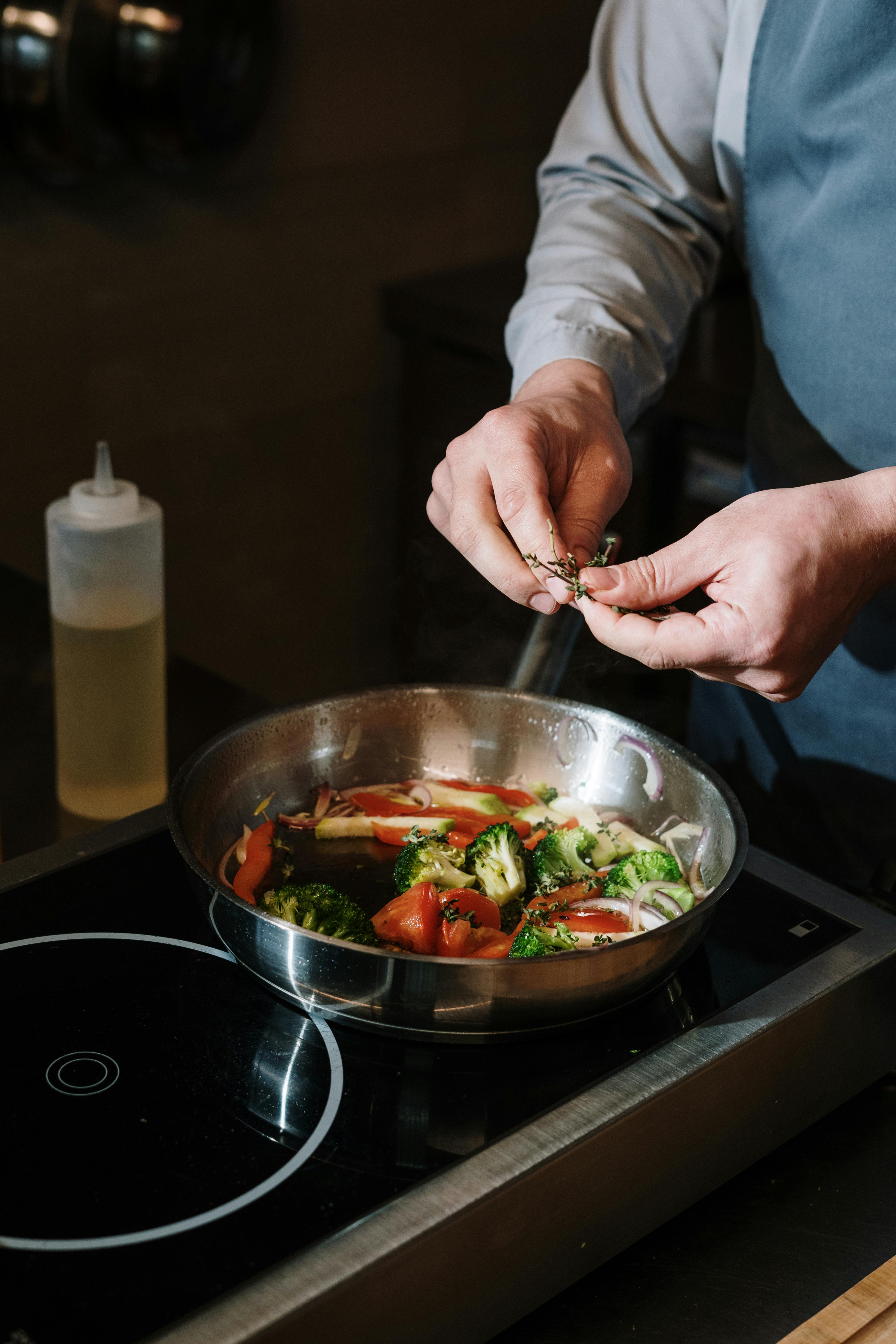
Research shows that cooking practices reveal kitchen generalizations about diet and lifestyle. Population studies demonstrate that increased home cooking is associated with improved eating behaviors and body metrics. This article analyzes the home cooking phenomenon; the emerging health and wellness benefits of regular cooking; the day-to-day experience of cooking and meal prep; and the significant changes, including the paradoxical positive impacts, of contemporary domestic food relations.
There is a shift in the way people in the world think about food and the source of their meals. People engage with food differently due to their shopping habits, time constraints, and digital culture. Home cooking used to be a daily activity and has now unfortunately become a 'have it or leave it' activity.
There is health research and behavioral surveys that indicate that the frequency of home meal preparation is of great importance and goes beyond merely a school of thought. Home cooking is associated with a number of positive health outcomes.
Cooking Your Way to a Healthier Lifestyle
Research has found that meal prepping at home leads to improved food choices. Research from the 2007-2010 National Health and Nutrition Examination Survey shows that adults from families that prepare home-cooked dinners 7 times a week have better Healthy Eating Index scores when compared to families that prepare home-cooked dinners 2 times a week.
This shows that there is a positive correlation between home-cooked meals and diet quality according to the USDA. Another study from the Journal of Nutrition found that people who prepare home-cooked meals consume more fruits and vegetables and have lower body fat percentages.
The NHANES survey found that people who fail to prepare 6 family meals a week lack a routine. This survey found that most people can prepare 5 family meals a week. These results show the strong links between routine meal preparation and daily life.
Within these trends, some people integrate career goals with personal practices. As an example, an AGNP degree prepares nurses for primary care across all adult age groups, which is a practice that often requires them to manage studies and personal well-being practices. These degrees integrate practical training with some adaptability, which facilitates students and health practitioners to integrate practical lifestyle routines like health-promoting cooking.
Simple Changes That Make a Big Difference in the Kitchen
It has been shown that there is a positive association between the frequency of cooking at home and diet quality. For example, in a study done by the USDA that analyzed data at a national level, it was shown that households that cooked dinner 7 days a week had better quality diets than those that cooked dinner at home 5 days a week or less. These studies indicate a correlation between preparing food and making food choices that are less unhealthy.
The barriers that remain and continue to reduce the likelihood of home cooking being practiced can be modified. Selecting fresh, unprocessed, and minimally processed foods allows for more control over added unhealthy ingredients, including sugars, salt, and fats, than the foods that can be purchased. Those people who spend more time and do so more frequently, in cooking dinner, do obtain foods from home that are unprocessed and minimally processed rather than obtaining foods that are ultra-processed, based on the dietary data that was published in the journal Appetite.
Meal planning and preparation that include basic elements such as prepared cooked grains, legumes, and vegetables can simplify and ease the burdens of cooking on days that are more hectic. Development of a repertoire of a few, simple and reliable recipes will also help to ease the decision-making process and to create a rhythm of cooking in the schedule.
Everyday Habits That Can Improve Your Wellbeing
The benefits of home cooking involve more than just nutrition. Researchers have identified that meal preparation can provide an opportunity to disconnect from the digital world and reduce the stress from a busy day, as cooking requires sensory focus. It can help to calm the mind from the busyness that accompanies rushed and distracted eating.
Being with family and friends and cooking together can strengthen relationships. The shared cooking and eating experience can foster talking and working together and the sharing of food knowledge, in its various forms, across generations. Therefore, the regular practice of cooking at home can enhance social well-being in addition to individual nutrition.
Adapting Cooking Habits to Individual Needs
For many individuals, cooking at home also becomes a way to better understand and respond to their body’s unique nutritional requirements. Those managing digestive concerns or specific dietary sensitivities may find that preparing meals themselves allows for greater control over ingredients and portion sizes. By applying personalized strategies, individuals can gradually identify which foods support their comfort and overall well-being while still maintaining variety and enjoyment in their meals. This mindful approach to cooking encourages a deeper awareness of how food affects daily life, making the kitchen not just a place for routine but a space for self-care and intentional living.
Discover the Joy of Preparing Meals at Home
When done with excitement and passion, home cooking can also be an art. Repeated cooking in the kitchen can build self-efficacy. This will likely propel people to be adventurous in trying out a variety of ingredients and in using different cooking methods. People are likely to eat more fruits, vegetables, and nutritious foods when they cook at home more frequently, according to research published in Public Health Nutrition.
Even with the most hectic of schedules, people have a way of incorporating cooking meals into their routine each week. Some prefer cooking simple meals that can be made in a single pot. Others prefer setting aside time during the weekend to prepare food in advance. Others prefer preparing food in convenient ways, then combining fresh foods with powerful kitchen tools. This way, they also manage their nutrition.
Photo Gallery




Comments