Blog
How Occupational Therapy Helps Children Gain Independence
Childhood independence begins with ordinary routines: pulling on socks, opening containers, holding a pencil, tolerating toothbrushing, and recovering after disappointment. Occupational therapy studies how motor control, sensory processing, attention, coordination, and emotional regulation affect those daily demands. Treatment breaks hard tasks into workable steps. For families, meaningful progress may appear as calmer mornings, safer meals, clearer writing, and more confident play.
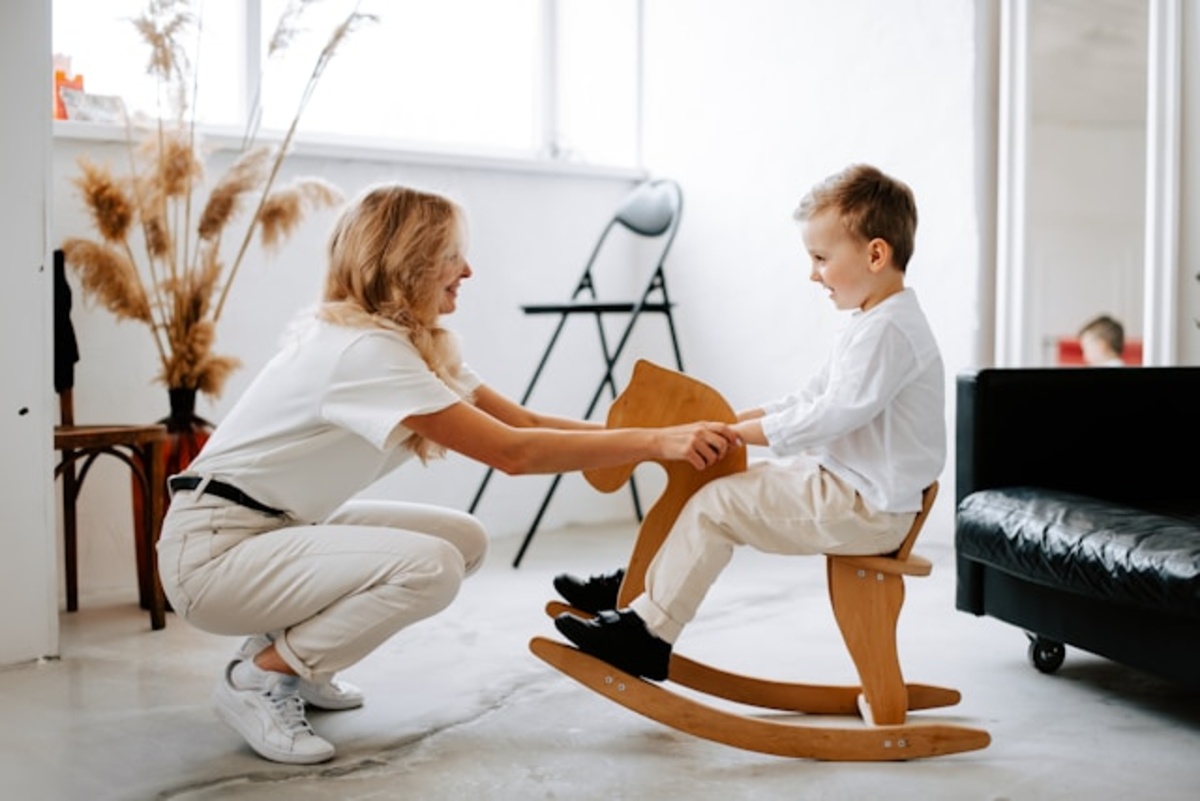 Photo by Kateryna Hliznitsova on Unsplash
Daily Skills
Daily routines often reveal why a child struggles with buttons, utensils, transitions, or grooming. A child occupational therapist observes posture, hand use, sensory responses, motor planning, attention, and signs of frustration during evaluation while connecting practice to real tasks at home, at school, during meals, with hygiene, and during play.
Fine Motor Growth
Fine motor control affects pencil grasp, scissor use, zipper use, snaps, drawing, and the ability to manage small objects. Therapy may strengthen intrinsic hand muscles, improve finger separation, support wrist extension, and build two-hand coordination. As control improves, schoolwork often feels less tiring. Children may write longer, cut cleaner shapes, and participate in fewer table activities.
Sensory Regulation
Some children register sound, touch, movement, light, smell, or crowded rooms with high intensity. Others miss body signals and seek extra input. Occupational therapy teaches recognition of these patterns before distress rises. Sessions may use deep pressure, heavy work, vestibular activity, breathing, or gradual exposure. Better regulation can reduce meltdowns and ease transitions.
Self-Care Routines
Self-care skills carry emotional weight because children feel a sense of ownership over their personal needs. Therapy may address dressing, toileting, toothbrushing, grooming, bathing, or eating with utensils. Each routine becomes a sequence the child can see, practice, and remember. Caregivers may use consistent cues, visual supports, or adaptive tools to improve follow-through at home.
School Participation
Classroom independence depends on stable posture, visual tracking, pencil endurance, organization, attention, and task completion. Occupational therapy may support these areas through purposeful, structured activities. A child who sits with better alignment, copies from the board, manages supplies, or changes tasks with less strain has broader access to learning and peers.
Emotional Control
Strong feelings can disrupt sleep, meals, learning, friendships, and safety. Therapy helps children connect bodily cues with emotions and choose a calming strategy before behavior escalates. Visual scales, movement routines, breathing practice, and predictable schedules may help. With repetition, a child can pause, recover, and return to the task.
Play And Social Skills
Play is often where clinical needs become visible. It shows balance, coordination, sequencing, impulse control, frustration tolerance, waiting, sharing, and problem-solving. Occupational therapy may use games, obstacle courses, pretend scenarios, or turn-taking activities. As motor planning improves, children often enter group play with less hesitation and more social stamina.
Family Carryover
Therapy gains matter most when they carry over into normal family routines. Caregivers may learn positioning changes, sensory strategies, dressing adaptations, feeding supports, or brief home activities. The best plans fit existing mornings, meals, homework, bathing, and bedtime. Consistent practice helps the nervous system use new skills outside appointments.
Tracking Progress
Clear goals keep therapy practical and measurable. Targets may include fastening clothing, writing a name, tolerating hair washing, sitting through circle time, or using utensils safely. Clinicians review progress through observation, caregiver reports, and task performance. Those details show what is improving, what remains hard, and which supports need adjustment.
Independence Over Time
Independence rarely develops in one jump. A child may start with full assistance, then shared effort, then a cue, and later part of a routine alone. Occupational therapy supports that progression with graded challenge, repetition, feedback, and close attention to fatigue. Each skill gained can reduce stress and broaden participation.
Conclusion
Occupational therapy helps children gain independence by connecting clinical knowledge with everyday function. It supports motor control, sensory regulation, self-care, school readiness, emotional control, and participation in play. The goal is to make useful progress that children can apply in familiar places, with familiar people. When caregivers, therapists, and educators share clear goals, children have more opportunities to practice skills, build confidence, and participate in daily life.
Photo Gallery





Comments