Blog
How PAC Food Vacuum Sealers Help Reduce Waste and Save Time
Food waste and inefficient kitchen processes are common challenges for restaurants, catering businesses, and food manufacturers. Spoilage, improper storage, and time-consuming packaging methods can lead to unnecessary costs and operational delays. Businesses that handle food in large volumes need reliable solutions that preserve freshness, improve efficiency, and streamline workflow.
One practical solution is investing in a vacuum sealer that helps businesses extend shelf life, maintain food quality, and speed up packaging operations. Modern vacuum sealing systems—such as those developed by PAC Food—are designed specifically to reduce waste while saving valuable time in commercial kitchens.
For a deeper understanding of how vacuum sealing preserves food and limits spoilage, you can also explore general food preservation guidance from organizations like the United States Department of Agriculture.
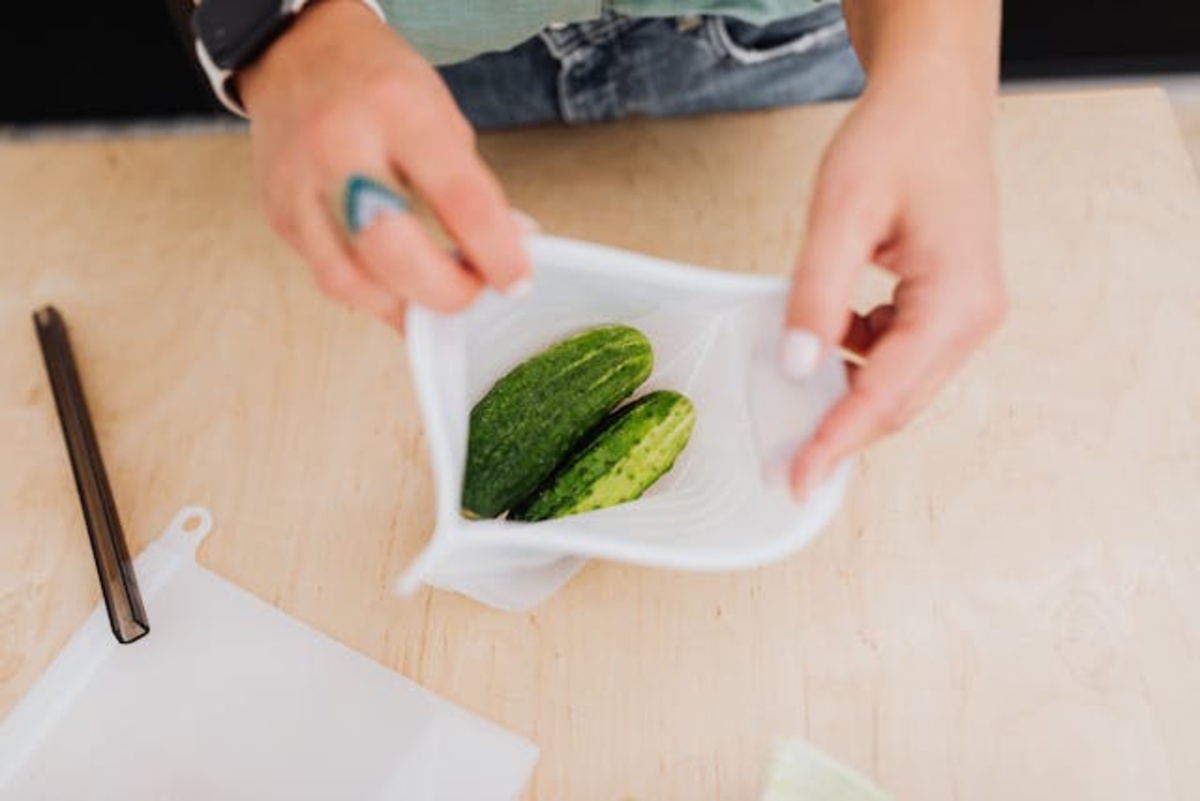
Photo by www.kaboompics.com
The Growing Problem of Food Waste in Commercial Kitchens
Food waste is a serious issue in the food service industry. Large kitchens often deal with:
Excess ingredients that spoil before use
Improper storage leading to contamination
Bulk food purchases that deteriorate quickly
Inefficient packaging systems slowing down operations
According to insights often discussed by the Food and Agriculture Organization, food waste not only impacts profitability but also contributes to broader environmental concerns.
Without proper storage and packaging systems, businesses risk losing both time and money.
How Vacuum Sealing Reduces Food Waste
Vacuum sealing works by removing air from packaging before sealing it. Oxygen is one of the main causes of food spoilage, as it encourages bacterial growth and oxidation.
When food is vacuum sealed:
Shelf life increases significantly
Moisture loss is minimized
Food quality remains consistent
Spoilage is reduced
PAC Food vacuum sealers are designed for commercial environments where preserving freshness and preventing waste are critical.
For example, meats, vegetables, and prepared meals can last much longer when vacuum sealed compared to traditional storage methods.
Saving Time in Fast-Paced Kitchens
In busy kitchens, efficiency matters. Staff often juggle multiple tasks, and slow packaging systems can create operational bottlenecks.
Vacuum sealers simplify and speed up food packaging by:
Creating quick airtight seals
Allowing batch preparation of meals
Organizing ingredients for faster cooking
Reducing time spent on manual wrapping or bagging
This streamlined process allows kitchen staff to focus on cooking and service rather than spending excessive time on food storage.
Supporting Better Inventory Management
Another major advantage of vacuum sealing is improved inventory control.
Vacuum-sealed foods are easier to:
Label and date
Stack and store efficiently
Organize in refrigerators or freezers
Track for inventory rotation
With improved organization, kitchens can implement first-in, first-out (FIFO) systems more effectively. This further reduces waste and ensures ingredients are used while still fresh.
Enhancing Food Quality and Consistency
Maintaining consistent food quality is essential for any food business. Customers expect meals to taste the same every time they order.
Vacuum sealing helps maintain:
Flavor integrity
Texture and moisture
Nutritional value
Product presentation
PAC Food vacuum sealers are engineered to create strong, reliable seals that protect food from external contamination and environmental changes.
Ideal for Meal Prep and Bulk Food Preparation
Many restaurants and food businesses rely on meal preparation strategies to improve efficiency.
Vacuum sealing supports meal prep by allowing businesses to:
Portion ingredients in advance
Prepare meals ahead of peak hours
Freeze foods safely without freezer burn
Maintain freshness for longer periods
This approach saves hours of preparation time each week and reduces the pressure on kitchen staff during busy service periods.
A Smart Investment for Long-Term Efficiency
Although purchasing a vacuum sealing system requires an initial investment, the long-term benefits quickly outweigh the cost. Businesses often see savings through:
Lower food waste
Reduced ingredient costs
Faster kitchen workflow
Improved storage efficiency
For companies handling high food volumes, a reliable vacuum sealing system becomes an essential part of daily operations.
Conclusion
Food waste and inefficient packaging processes can significantly impact the profitability of commercial kitchens. By adopting advanced food preservation technology, businesses can improve workflow, reduce spoilage, and operate more efficiently.
Solutions like vacuum sealer systems from PAC Food offer a practical way to protect food quality while saving both time and resources. For kitchens aiming to reduce waste and streamline operations, vacuum sealing is no longer just an option—it’s a necessity.
Photo Gallery



Comments