Blog
How to Build a Family Routine That Keeps Everyone's Teeth Healthy
Seven
minutes. That's how long the average family actually spends on the whole
bedtime tooth routine, and most of it goes to hunting down a missing
toothbrush. I've watched parents treat dental care like a chore to squeeze in
after dishes, then wonder why the six month checkup turns into a lecture. The
fix isn't willpower. It's architecture.
Here's the
promise: by the end of this piece you'll have a routine you can run on
autopilot, one that holds up on chaotic Tuesdays and vacation weeks alike.
You'll know what to set up, what to skip, and how to hand the job over to your
kids without a nightly standoff.
One small note before we start. A routine handles daily
prevention, but it doesn't replace professional eyes on growing teeth. When
you're due for a checkup and want a practice that treats the whole family in
one visit, book with a dentist white rock at Wave Dentistry and let
the pros catch what a bathroom mirror can't.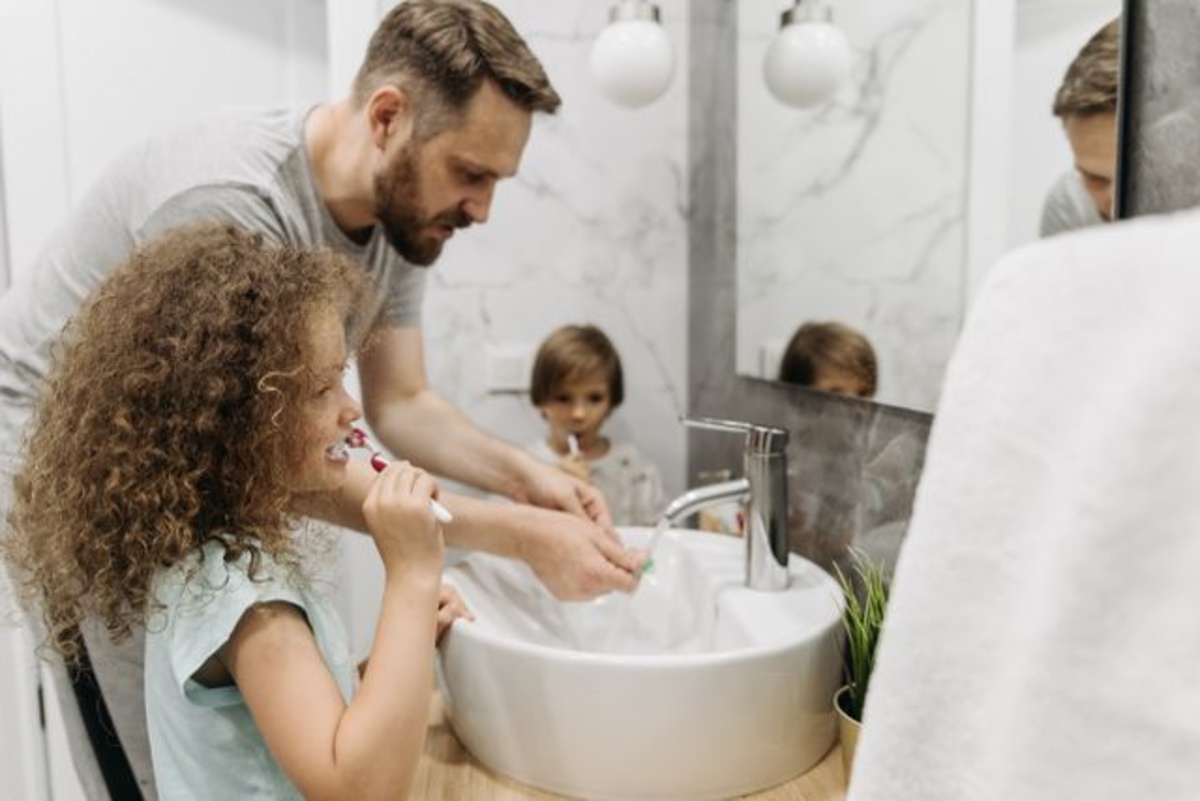
Photo by Pavel Danilyuk
Why the Bathroom Is the Wrong
Place to Start
Most
families build their routine around the sink. Big mistake. The sink is where
the negotiating happens, the toothpaste gets argued over, and the toddler
stages a sit-in on the bath mat. The real work starts before anyone walks in.
I'd argue
you should build the routine in the kitchen, at the dinner table, before the
plates are cleared. Decide then who brushes when, who supervises, and what
happens first. That single shift removes about half the friction, because kids
who know the plan don't spend bedtime renegotiating it.
Set a fixed anchor point. Brushing happens right after
the last bite of the evening meal, or right before pajamas come out, whichever
your house can actually defend. Pick one and stop debating it. Consistency
matters more than the exact slot.
What Does a Good Tooth Station
Actually Need?
Your tooth
station is the little zone where everything lives, and it should hold exactly
five things. A cup per person, brushes in a holder that keeps heads apart, one
fluoride toothpaste the whole family over age two can share, a small timer, and
floss within arm's reach so it isn't a separate errand.
That's it.
Everything else, the mouthwash nobody finishes, the three novelty brushes your
kid rejected, the charcoal paste, creates noise. According to the Centers for Disease
Control and Prevention, tooth decay remains one of the most common
chronic conditions in childhood, and it's largely preventable with consistent
fluoride use. A simple station makes consistent use easier.
One rule I'd push hard on: don't store the station in a
drawer. Visible beats tidy. Brushes on the counter get used; brushes behind a
cabinet door get forgotten. If your counter space is tight, mount a small shelf
at kid height and call it a day.
The Two-Minute Rule Nobody
Follows
Everyone
knows the two minute guidance. Almost nobody hits it. The trick isn't a lecture
about plaque, it's giving the two minutes a shape.
Try this:
split the mouth into four zones, upper right, upper left, lower right, lower
left, thirty seconds each. Kids can count zones out loud. You can brush the
same zone alongside them so they mirror you. The timer stays on the counter as
a referee, so you never have to be one.
For the
child who hates the sensation, back off the intensity before you back off the
frequency. A soft brush and a lighter touch done nightly beats a vigorous
scrubbing session that happens twice a week because the kid screams. The
American Dental Association maintains clear guidance on fluoride toothpaste
amounts by age, and the amounts are smaller than most parents assume,
especially for the youngest brushers.
Supervise until your kid can reliably spit and resist
swallowing. That day arrives at wildly different ages, and there's no prize for
rushing it.
A Weekday Script You Can Run
Half Asleep
Here's the
routine I'd actually recommend, in order, and you can steal it whole:
1.
Dinner ends, kitchen closes. Water only
after this point, which removes the midnight juice argument entirely.
2.
Five minute warning. A heads up before
the transition saves more battles than any reward chart.
3.
Station check. Everyone grabs their own
brush. Kids doing the grabbing themselves is the whole point.
4.
Zone brushing. Two minutes, four zones,
timer running, adult in the room for anyone under about eight.
5.
Floss the teeth that touch. Once a night
is enough for most families, and doing it at the same time every night is what
makes it stick.
6.
Brushes back in the holder, timer off.
Reset the station now so tomorrow starts clean.
Notice there's no reward system here. Sticker charts work for roughly two weeks and then become their own negotiation. A predictable script does the same job without the overhead.
The
Three-Week Anchor Method (the framework I use at home): Week one, you run
the whole script out loud so your kids hear the sequence. Week two, you hand
each child one step to own. Week three, you narrate nothing and just stand
there. By the end of the month, the routine belongs to them, not to you. The
point isn't perfect brushing on day one. The point is removing yourself as the
engine.
How Do You Keep the Routine
Alive on the Road?
Travel
breaks routines. Accept that, then build a smaller version you can carry. A zip
pouch with brushes, a travel toothpaste, and a floss pick per person fits in a
diaper bag or a glove box and takes up almost no room.
The World Health
Organization has documented for years that oral disease is a global
burden largely shaped by daily habits and access to care, which is the long way
of saying small consistent actions matter far more than occasional heroic ones.
A skipped night on vacation won't wreck anything. A skipped week turns into a
new normal you have to fight back from.
One travel rule that's saved me: the pouch comes out
first thing after arrival, before anyone unpacks a suitcase. If the tooth
station appears within ten minutes of check-in, the rest of the trip runs on
the same script as home.
What About the Kids Who Fight
Every Step?
You will
have one. Almost every family does. The framework that works is boring and
effective: separate the brushing from the power struggle.
Don't
negotiate over whether brushing happens. Negotiate over the flavor of
toothpaste, which brush they hold, or who goes first. Give them control over
the small stuff and keep the big thing fixed. If the resistance is sensory, try
a softer brush, a different grip, or brushing in a different room entirely.
Weird solutions beat stalled ones.
And when the fighting is really about bedtime in
general, solve bedtime first. Dental routines almost always take the blame for
a household that's just tired and out of time.
Put It on the Fridge Tonight
A routine
you don't start within a day is a plan you don't have. Write the script on the
back of your grocery list, tape it where you'll see it at dinner, and run it
once tonight. Nothing needs to be perfect. The station can be a cup and a timer
for the next week while you sort out the rest.
The families
I've seen keep this up for years all share one trait: they built the routine so
it survives a bad week. Yours will too, and the payoff shows up at every
checkup, not just the next one. When was the last time you ran the script in
your own house, straight through, without a single reminder? Try it tonight and
find out which step breaks first.
Photo Gallery




Comments