Blog
How to Judge a Supplement Like an Ingredient
Good cooks trust their food first. Real ingredients, cooked at home, do the heavy lifting for any family. A balanced plate of vegetables, grains, and protein beats a cupboard full of bottles.

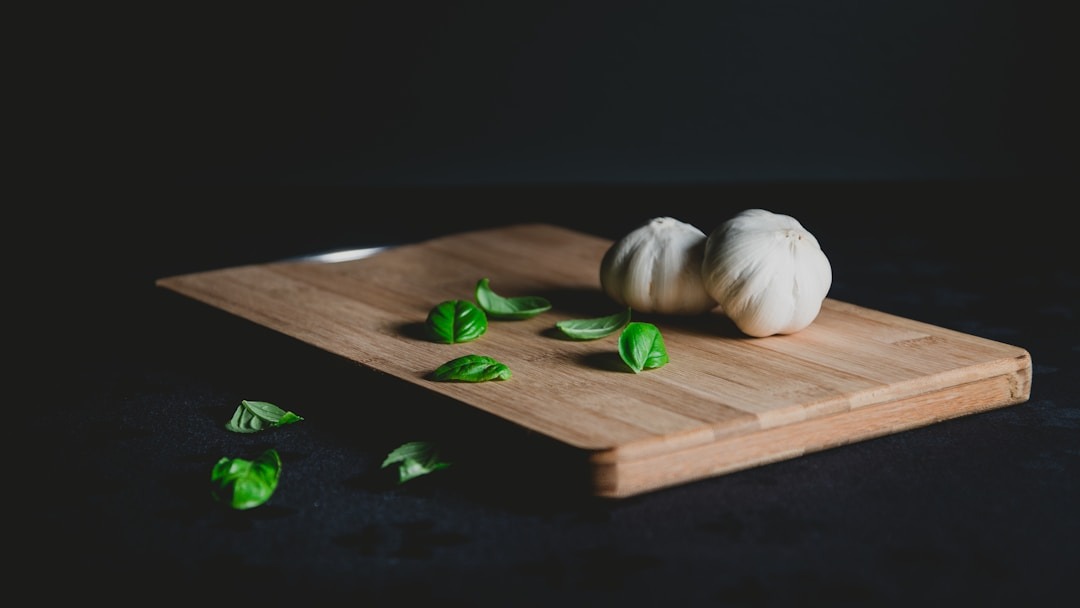
Photo by Sébastien Marchand on Unsplash
Alt text: Two bulbs of garlic and fresh basil leaves on a wooden cutting board
Sometimes a supplement does end up on the shopping list anyway. When that happens, the smart move is to judge it the way you judge any ingredient. Companies like Superior Supplement Manufacturing make these products for the brands you see, and knowing how that works helps you read the label with a sharper eye.
Why Should Real Food Always Come First?
A supplement is a top-up, not a meal. It cannot replace the fiber, water, and variety that whole foods bring to a plate. So the first habit is simple: build the kitchen around food, then decide if anything else is needed.
That mindset also makes you a better label reader. A little weekly meal planning keeps real food at the center. You already scan a jar before it earns a spot on the shelf.
Reading labels matters more than most shoppers think. The CDC notes that more than 70% of the sodium Americans eat comes from packaged and prepared foods. A quick read of the panel catches the hidden salt before it reaches your cart.
So food earns the first 90% of your attention. A supplement sits in the small space left over. Treat it as one more item to vet, not a shortcut.
How Does a Supplement Get Made Before It Reaches a Shelf?
Most brands do not run their own factory. They hire a contract manufacturer to formulate, produce, and test the product. The brand owns the recipe and the label, while the maker handles the work behind it.
The process moves through clear, repeatable steps, much like a recipe scaled up for a crowd:
Source the raw ingredients and test each one for identity and purity.
Blend the batch to an exact formula, the way a recipe holds its ratios.
Form the product into capsules, tablets, gummies, powders, or liquids.
Test the finished batch again before it gets packed and labeled.
Keep written records for every batch so any problem can be traced.
Each step can catch a mistake, such as a wrong dose or a contaminant. Federal rules set the floor for this. The U.S. Food and Drug Administration applies good manufacturing practices under 21 CFR Part 111, which cover identity, purity, strength, and composition.
A careful maker documents all of it. That paper trail is the quiet mark of a serious operation.
What Does the "Quality" Label Really Mean?
Quality on a supplement label points to how a product was made and checked, not to any promised result. A clean facility, tested ingredients, and honest labeling are the real signals. The word "quality" is doing a job here.

Photo by Spencer Plouzek on Unsplash
Alt text: Person browsing products in a grocery store aisle
Third-party seals are the fastest shortcut here. They show an outside group checked the maker against a set standard. An NSF mark, for example, confirms a testing process the brand did not grade itself.
A USDA Organic seal speaks to sourcing, not to any health outcome. It tells you about the inputs, the same way "organic" on produce describes how it was grown. The same care you give a healthy breakfast belongs here too.
None of these seals promise that a product works for you. They confirm what is inside matches the label. That is a quality check, not a health claim, and it is exactly the kind of fact a cook can verify.
How to Read a Supplement Label Like a Recipe
Reading a supplement panel is the same skill you use on a recipe card. You check the ingredient order, the amounts, and the serving size. A short run through the panel settles most questions fast.
Run that 5-point check before any supplement goes in the cart. It takes about 30 seconds once the habit sticks. The same scrutiny you give a new recipe works here.
A panel that hides amounts inside a "proprietary blend" earns a second look. So does a label with no maker listed. Openness is the trait you are shopping for.
A Few Things Worth Remembering
Build your routine around real food, since a supplement only tops it up.
Most brands hire a contract manufacturer to formulate, produce, and test their products.
Federal cGMP rules cover identity, purity, strength, and composition.
Look for a third-party seal like NSF, which an outside group grades.
A USDA Organic seal speaks to sourcing, not to any health result.
Read the panel like a recipe: order, dose, servings, seal, and maker.
Putting Food First, Then Vetting the Rest
A good kitchen runs on real ingredients, and a supplement is only an occasional extra. When one does make the list, judge it the way you judge anything else you buy. Read the label, and favor makers who are open about their process. Talk to a doctor or pharmacist before adding anything new, especially for children.
Frequently Asked Questions
Do I Need Supplements if I Cook Real Food?
Many people who eat a varied, balanced diet get what they need from food alone. Supplements are a top-up for specific gaps, not a replacement for meals. Talk to a doctor or pharmacist about your own situation before starting anything.
Why Do So Many Brands Use a Contract Manufacturer?
Building a compliant facility is costly, so most brands hire a specialist to formulate, produce, and test their products. The brand owns the recipe and the label, while the maker handles production and batch records. This is why the maker behind a bottle matters as much as the name on the front.
What Does a Third-Party Seal Like NSF Actually Mean?
A third-party seal means an outside group, not the brand, checked the product against a standard. An NSF mark confirms the supplement contains what the label says and is free of certain contaminants. It does not test whether the product works for you, so treat it as a quality check.
How Is a Supplement Label Different From a Food Label?
Supplements follow their own labeling rules, separate from packaged foods, and use a Supplement Facts panel. Manufacturers are responsible for safety and honest labeling before products reach shelves. That makes your own reading more important, not less. Check the ingredient order, the dose, and the serving size, and look for a third-party seal when a claim feels large.
Photo Gallery



Comments