Blog
How to Pick Better Fruits and Vegetables on Your Grocery Store Run
Moms often daydream about the healthy
dishes they’ll cook. A stunning barley and fresh vegetable salad for lunch.
Sweet fruit on the counter for snacks. Roasted veggies even the kids will eat.
Colorful meals from your kitchen. It all looks perfect in the mind’s eye.
But healthy meals don’t start in the
kitchen. It starts right in the grocery store. Choosing fresh, high-quality
fruits and vegetables is key. Fresh produce makes cooking smoother. It also
makes the food more nutritious. Here’s how to pick the best produce at the
grocery store.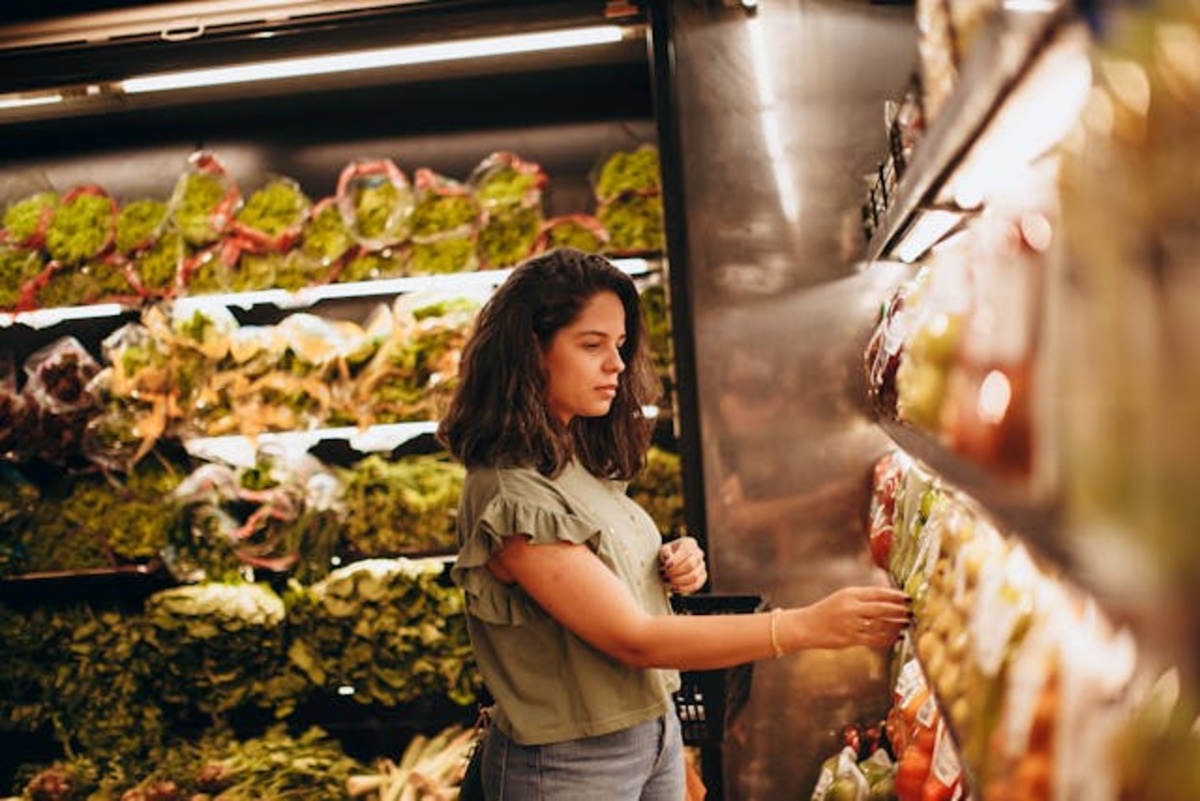
Photo by Helena Lopes
Shop at Stores with Fresh Produce
True healthy cooking starts with high-quality
produce. Fruits and vegetables should be crisp. This kind of produce tastes
better. It lasts longer. Poor-quality produce makes dishes bland. It can also
go soft too fast. There’s nothing more disappointing than mushy veggies.
The easiest way to get fresh produce is
to buy it from a trusted grocery store. Look for stores that get fresh local
stock. Ask staff when shipments arrive. If you’re in central Pennsylvania, Whispering Pines
Fruit Farm is a terrific choice. They carry fruits, vegetables, and
pantry staples. You get produce that’s truly ripe. You can even shop online for
convenience!
Choose Fruits and Veggies in Season
Out-of-season items might look fine. But
the flavor often falls flat. They travel far. They sit in storage too long.
That affects sweetness and texture. You want meals that actually taste like the
season, right?
Pay attention to what’s fresh locally. In
autumn, fall’s bounty is at its peak. Think apples and
pumpkins. Berries are perfect in summer. Leafy greens shine in spring. If it’s
in season, it’s ripe and juicy. It’s cheaper, too. You’ll notice the difference
the moment you bite into it.
Shopping in season also makes meal
planning more fun. You can lean on seasonal recipes. Roast pumpkin for autumn
dinners. Colorful salads to spruce up summer. Mix in whatever is bursting with
flavor at the farmers’ market. You’ll serve healthy, delectable food that
matches the moment outside.
Gently Feel Firmness
Looks can fool you. That perfectly red
peach might hide a rock-hard center. An avocado could feel soft in one spot.
But it’s still unripe inside. It’s best to learning how to feel produce. It
helps you pick items that are ready to eat. If you know how to do it, you’ll
always choose fruit that’s already ripe.
Hold the fruit in your hand. Press with
your thumb. Check firmness across the fruit. This works for melons, pears, and
avocados. Apples should feel solid. Peaches should give just a little. Don’t
squeeze too hard. Feeling the produce lets you know that fruit will be ready
when you get home. You waste less. And your family snacks on perfect fruit.
Check for Natural Color
Bright fruits and veggies mean they were
picked at the right time. Dull tones often signal old produce. It might also
mean they’re overripe. Learning to read color can save you from soggy tomatoes
or bland grapes.
Look at the whole piece. Is the red even?
Are the grapes shiny? Even subtle differences matter. Some fruits darken in
spots when overripe. Others fade if they were harvested too early. Color can
hint at sweetness, too.
Picking vibrant produce makes every meal
yummy and pretty-looking. Your salad looks fresh. Smoothies taste naturally
sweet. Plus, cooking with vibrant produce is just more fun!
Avoid Pre-Cut When You Can
Pre-cut veggies and fruit are tempting.
They’re convenient for moms. Especially on busy mornings. But they lose flavor
fast. Oxygen exposure dulls taste. It also reduces nutrients. Pre-cut items also spoil
more quickly. That means more trips to the store.
Buying whole produce gives you more
control. Cut it right before cooking. Carrots stay crisp. Peppers hold their
crunch. Berries stay juicy longer. Portion sizes become easier to manage. It
may take a minute to slice onions or apples for the kids. But it makes a huge
difference in taste and nutrition.
Buy in Smaller Batches
Buying a mountain of produce seems smart
at first. You do it to be prepared. But a week’s worth of spinach can turn
mushy by mid-week. Smaller batches keep produce fresh longer. So, take only
what you need at any given time.
Think about what you’ll actually eat in
the next few days. Buy enough for dinners. And snacks. Plan a quick second run
if needed. Smaller batches cut down on waste. They save money. As for the
produce, the texture stays crisp. Flavor stays true. You’ll never have to stare
at sad, spoiled veggies again.
Conclusion
High-quality produce is more important
for healthy meals than most moms realize. The food tastes so much better. The
color pops out more. The freshness of the flavor? Exquisite.
So, pay attention to firmness. Skip
pre-cut produce when you can. Choose a store that offers high-quality, local
options. Lean on in-season offerings. Follow these tips, and your produce lasts
longer. Meals stay colorful and fresh on every plate. Kids actually eat their
veggies. Nutrients stay intact. And mom gets a high-five for making it all
happen.
Photo Gallery




Comments