Blog
Improving Crop Health Through Better Potato Farming
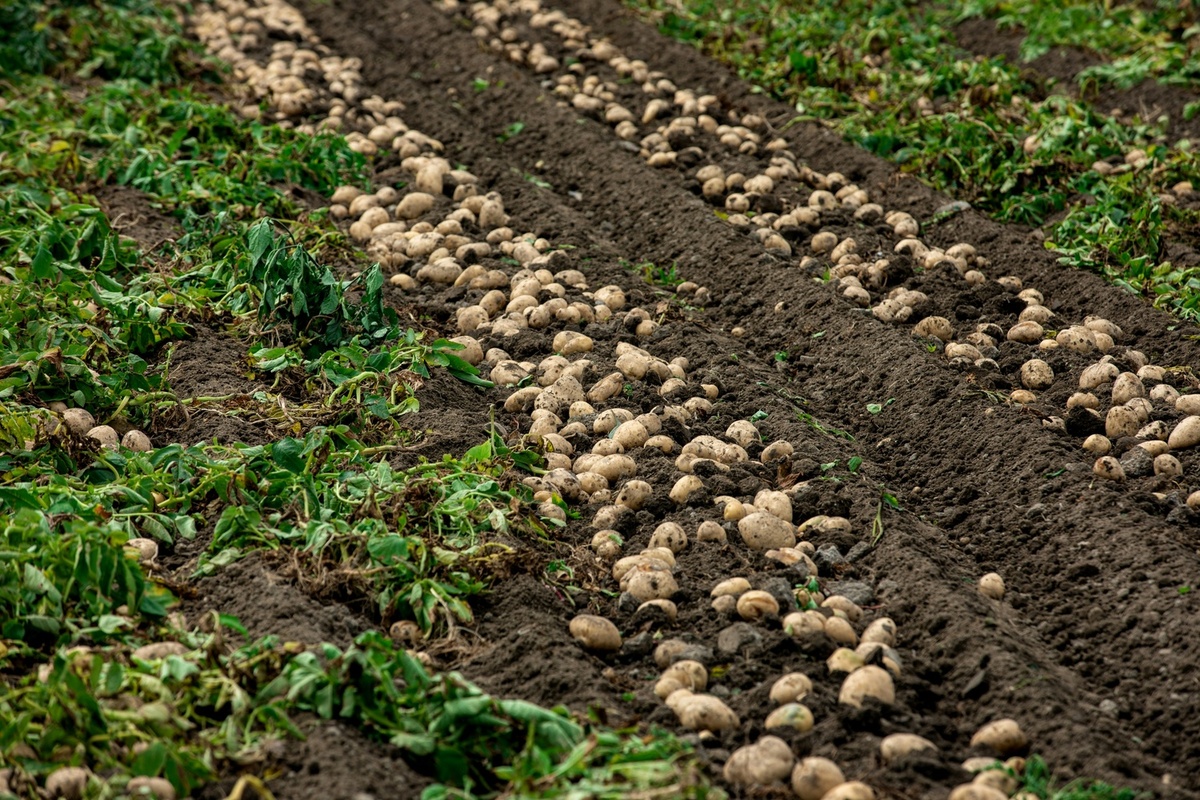
When you’re standing in your kitchen, peeling a smooth, earthy potato for tonight’s creamy mash or a batch of crispy Sunday roasts, it’s easy to overlook the high-stakes drama that happened long before that spud reached your countertop. Potatoes are notoriously the 'divas' of the vegetable garden. They are incredibly demanding, sensitive to the slightest fluctuations in climate, and constantly under threat from invisible, soil-borne pathogens that can ruin a harvest overnight. It's a high-wire act where the stakes are our family's food safety and the health of our land.
Traditionally, the industry has been obsessed with 'yield'—how many tons can we pull from the earth? But we’re seeing a beautiful shift toward a 'health-focused' philosophy. This transition is vital because true crop health doesn't happen by accident at harvest time. It's a long-game strategy that begins months, even years, before that first seed potato is ever dropped into the soil. To get that perfect baked potato on your dinner table, we have to start by nurturing the very foundation of life: the soil and the seed.
Prioritizing Soil Health
If you’ve ever tried to bake a delicate soufflé in a temperamental oven, you know that the environment is just as important as the ingredients. On a potato farm, the soil is the environment. To grow a potato that is both beautiful and nutrient-dense, we have to look far beneath the surface.
The perfect 'bed' for growth
Potatoes are subterranean travelers; they need room to breathe and expand. This is why soil structure is paramount. Ideally, we aim for a sandy loam—a light, crumbly texture that offers excellent drainage while holding onto just enough moisture. If the soil is too heavy with clay, it becomes a suffocating trap. High-clay soils retain too much water, which invites rot and prevents the tubers from shaping correctly. Imagine trying to grow in a wet sponge versus a soft pillow; the pillow wins every time.
Nutrient balancing
Most people have heard of N-P-K (Nitrogen, Phosphorus, and Potassium). But for true crop health, we have to look at the micronutrient level.
- Calcium: Think of this as the skeletal system for the potato. High calcium levels lead to stronger cell walls, which means fewer bruises and a longer shelf life in your pantry.
- Manganese: This is the plant's natural immune booster. It plays a critical role in helping the potato resist common diseases.
The pH 'sweet spot'
In the kitchen, we balance acidity with fats; in the field, we balance it with lime or sulfur. Potatoes thrive in a specific pH range of 5.5 to 6.5. Staying in this 'sweet spot' is the most effective way to prevent common scab, a pathogen that leaves unsightly, corky lesions on the skin. It’s the difference between a potato you’re proud to serve whole and one you have to peel aggressively just to make it edible.
Natural defense via cover cropping
Finally, we use nature to fight nature. Instead of relying solely on chemicals, many modern farmers use cover crops like mustard or rye during the off-season. Mustard, in particular, acts as a bio-fumigant, naturally suppressing soil-borne pathogens and pests. It’s like a deep-clean for the field, ensuring the ground is refreshed and ready for the next generation of spuds.
Seed Selection and Pre-Planting Strategies
The transition from soil to seed is where the real magic—and the real risk—begins. If we don’t get the start right, the finish will never meet our standards for a healthy family meal.
Certified seed tubers
Using saved seeds from a previous harvest is a gamble because potatoes are highly susceptible to viral loading. Over generations, viruses like Potato Virus Y (PVY) accumulate, leading to stunted plants and disappointing yields. This is why professional growers insist on certified seed tubers. These seed crops have been rigorously tested and grown in isolated conditions to ensure they are clean, vigorous, and ready to perform.
The precision mechanics of cutters
Because potato seeds are often large, we use specialized farm equipment called cutters to slice them into 'seed pieces.'
- Uniform size: We aim for seed pieces weighing between 1.5 and 2.5 ounces. If a piece is too small, it lacks the energy to sprout; if it's too large, it’s a waste of resources. Uniformity ensures that every plant in the field emerges at the exact same time, creating a beautiful, even canopy.
- Sanitization: This is the 'sterile surgical room' of farming. Cutting blades must be disinfected between different seed lots to prevent the mechanical spread of devastating diseases like Bacterial Ring Rot.
- Healing and suberization: Once a potato is cut, it has an open 'wound.' We allow these pieces time to suberize—essentially forming a protective callus or 'scab.' This prevents soil bacteria from rotting the seed piece before it has a chance to grow. You can read more about how specialized equipment ensures this process is handled with the care it deserves.
The role of treaters
Immediately after cutting, we use seed-piece treaters to apply a layer of protection.
- Liquid vs. dry application: Modern treaters can apply fungicides (like fludioxonil) or insecticides directly to the fresh-cut surface. This acts as a shield against soil-borne fungi and early-season pests.
- Biological boosters: We are also using these treaters to apply probiotics for plants—mycorrhizae or growth-promoting bacteria. This gives the seedling a biological head start right at the point of germination.
Chitting
By exposing the seeds to light and warmth before planting, we encourage strong, green sprouts to develop. This 'wakes up' the potato, allowing it to bypass the vulnerability of sitting in cold, damp spring soil and get straight to the business of growing.

Precision Planting and Early Development
With the soil prepped and the seeds treated, the focus shifts to the delicate art of placement. Finding the perfect balance in depth and spacing is a primary challenge; planting too closely creates dense moisture traps that invite fungal outbreaks, while spacing them too far apart leaves the door wide open for aggressive weed competition. Farmers aim for a rhythmic consistency that allows each plant enough 'elbow room' to breathe and soak up sunlight without wasting a single inch of the nutrient-rich soil we’ve worked so hard to balance.
As the sprouts emerge, we begin the process of hilling, or 'earthing up.' By mounding soil around the base of the growing stems, we shield the developing stolons and young tubers from sunlight, which would otherwise turn them green and bitter. This extra layer of earth also acts as a natural insulator, regulating soil temperature during those unpredictable heat spikes or cold snaps driven by climate change.
Lastly, we enter the most high-stakes period of the plant's life: the tuber initiation phase. This critical window—usually just a few weeks long—is when the plant decides how many potatoes it will actually produce. During this time, moisture management and nutrient availability must be flawless. If the plant feels even a hint of stress now, it will sacrifice its future 'babies' to save itself. By keeping the environment stable, we ensure the plant feels secure enough to begin building the high-quality harvest we’re all waiting for.
Integrated Pest and Disease Management (IPM)
Maintaining crop health is a constant battle against nature’s opportunists, requiring a shift from reactive chemical application to a holistic, proactive strategy known as Integrated Pest and Disease Management (IPM).
Early vs. Late Blight
Early Blight, caused by the fungus Alternaria solani, typically manifests as distinctive 'target-like' brown spots on older leaves. While it can reduce photosynthetic capacity, it is often manageable. Late Blight (Phytophthora infestans), however, is the more feared antagonist—the same pathogen responsible for the Irish Potato Famine. It thrives in cool, moist conditions, spreading with terrifying speed through spores carried by wind and rain.
Modern IPM focuses on a 'prevention over cure' mindset. Farmers now use sophisticated weather-monitoring stations that track humidity and temperature to predict 'blight periods.'
Biological controls
A professional approach to IPM looks at the life within the soil. We are increasingly introducing biological controls, such as beneficial fungi like Trichoderma. These microscopic allies act as natural bodyguards for the potato root system. Trichoderma colonizes the root zone, physically blocking pathogenic fungi and even secreting enzymes that dissolve the cell walls of 'bad' microbes.
Managing pest pressure: Beetles and Aphid Vectors
We must address the physical invaders: the Colorado Potato Beetle and Aphids. The beetle is notorious for its ability to quickly develop resistance to insecticides, making crop rotation and the preservation of natural predators (like ladybugs and lacewings) essential. Aphids present a different kind of danger; they act as 'vectors' or couriers for Potato Virus Y (PVY). Even a small aphid population can transmit viruses that stunt growth and ruin tuber quality.
Precision monitoring—using yellow sticky traps and field scouting—allows us to intervene only when pest thresholds are met, ensuring a balance between crop protection and environmental stewardship.
Water Management and Irrigation Efficiency
Water is the ultimate double-edged sword. Success hinges on critical timing, particularly during the flowering stage. This is the moment the plant transitions its energy from foliage growth to tuber bulking. If a plant experiences water stress during this window, it acts as a 'yield-killer,' causing the plant to abort tuber development or produce misshapen, stressed spuds that lack the creamy texture we love in our kitchens.
However, more water isn't always better. Potatoes are notoriously sensitive to 'wet feet,' or saturated soil conditions. When the ground remains waterlogged, it triggers lenticel expansion—small pores on the potato skin that swell up to breathe, creating entry points for pathogens. This often leads to devastating issues like pink rot or soft rot, which can turn a healthy-looking harvest into a watery mess in storage. Smart drainage and soil moisture sensors are essential tools for keeping the moisture 'just right.'
The method of delivery also matters for overall foliage health. While overhead irrigation is common and cost-effective, it leaves the leaves damp, which can invite blight. Drip irrigation, on the other hand, delivers water directly to the root zone. This keeps the canopy dry and reduces disease pressure, though it requires a higher initial investment.
Conclusion: The Long-Term Perspective
Achieving true crop health requires a deep commitment to sustainable cycles, most notably a disciplined 3–5 year crop rotation strategy. By giving the land time to rest and recover between potato harvests, farmers naturally break pest cycles and replenish vital soil nutrients. Ultimately, the beautiful, nourishing potatoes we enjoy at our dinner tables are not merely a product of luck or a single good season. They are the result of a carefully managed ecosystem, where every decision—from the soil pH to the precision of the cut—works in harmony to protect the integrity of our food.
Photo Gallery




Comments