Blog
Indicators That You Might Need a Sump Pump Replacement
A sump pump protects the lower areas of a
home during heavy rain and sudden water buildup. When the unit works well, it
moves water away before damage reaches floors, walls, or stored items. A weak
pump can fail at the worst time and leave the basement exposed to costly
moisture problems.
Homeowners should watch for changes in
sound, performance, and water levels around the pit. Knowing when sump pump replacement may be needed helps families
avoid flood damage and urgent repair costs. A timely upgrade can protect the
home, improve reliability, and give peace of mind during wet weather.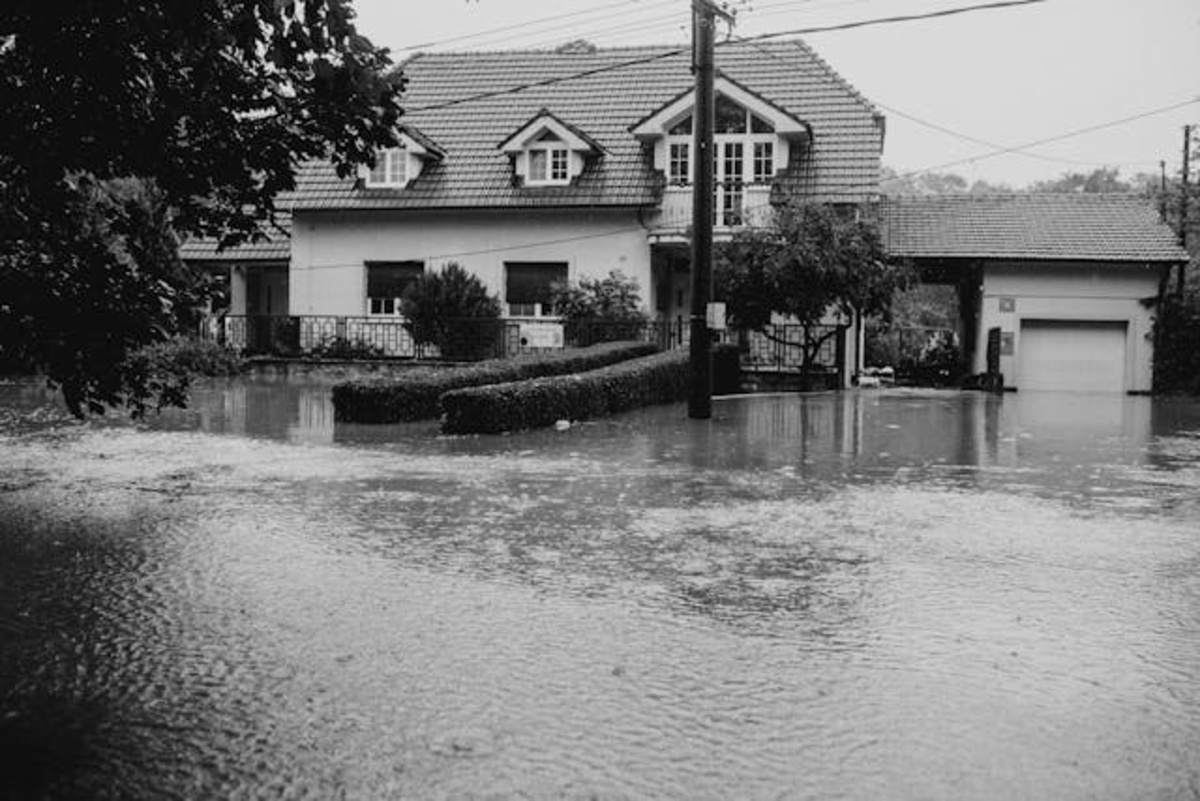 Photo by Helena Jankovičová Kováčová
Frequent Cycles During Light Rain
A sump pump should turn on only when
water reaches the proper level in the pit. If it starts and stops again during
light rain, a part may no longer work well. The issue may come from a faulty
float switch, poor pit size, or a strained motor.
Frequent cycles can wear the motor faster
and raise the chance of sudden failure. A technician can check the switch, pit,
discharge line, and pump capacity before making any decision. If the unit still
fails after basic service, replacement may be the safer long-term choice.
Strange Noises From the Unit
A healthy sump pump should run with a
steady and controlled sound. Grinding, rattling, humming, or loud vibration may
point to worn bearings, damaged parts, or motor trouble. These sounds deserve
attention because internal wear can worsen during the next storm.
Noise can also appear when the pump sits
out of position in the pit. The unit may strike the side wall or shake against
nearby pipes during operation. A service visit can show if an adjustment will
help or if the pump has reached the end of its life.
Water Remains in the Pit
A pump that cannot lower water levels may
no longer have enough power. The motor may be weak, the intake may be blocked,
or the discharge line may have a problem. Water that stays high in the pit can
increase basement moisture and flood risk.
Homeowners should not assume the problem
will clear on its own after the rain stops. A trained professional can test
flow, inspect the line, and check the unit for hidden failure. At this stage, a
sump pump installation service can help replace the system if repair no
longer makes sense.
Visible Rust or Heavy Wear
Rust
can form when moisture and age affect metal parts inside the pump.
Surface marks may not seem serious, but deep corrosion can weaken the unit.
Rust can also affect water flow when it builds up around moving parts or the
discharge area.
Heavy wear may appear as cracks, loose
parts, or an unstable base. These signs show that the unit has faced years of
pressure inside a damp space. Replacement can reduce breakdown risk and improve
water control before storm season.
Age Beyond the Expected Service Life
Many sump pumps last around seven to ten
years with proper care. Heavy use, poor maintenance, debris, and power issues
can shorten that timeline. If the unit is old and has never had a full
inspection, failure risk may be higher.
Age matters because older pumps may fail
without clear warning signs. Parts may weaken even when the unit still turns on
during a basic test. A proactive replacement can protect the basement before a
worn system stops during severe rain.
Power Failure or Backup Concerns
A sump pump depends on power unless it
has a proper backup system. If the home loses power during storms, the main
unit cannot protect the basement alone. A weak battery backup can create the
same risk if it no longer holds a charge.
Homeowners should review when sump pump replacement may be needed with a qualified technician. An upgraded system can include better capacity, stronger backup support, and safer discharge design. This helps the home stay protected when rain and power problems happen at the same time.
A failing sump pump can place a basement,
crawl space, and foundation at risk during heavy rain. All the issues mentioned
above deserve fast attention. With timely replacement and expert support,
homeowners can protect the lower level, reduce flood risk, and avoid costly
water damage.
Photo Gallery



Comments