Blog
Simple Pantry Staples for Cozy, Nutrient-Dense Cooking
You're standing in your kitchen at 5:30 on a Tuesday. The kids need dinner in thirty minutes, and opening the pantry reveals half-empty boxes, mystery jars, and ingredients you bought for that one recipe six months ago. You end up making pasta again. Not because it's what you want to serve, but because it's what's actually there.
The problem isn't a
lack of cooking skills. It's that your pantry hasn't been set up to make
nourishing meals easy. When you stock the right staples, cozy, nutrient-dense
cooking becomes your default, not a weekend project that requires a specialty
grocery run.
Building Your Foundation: The Essential Pantry Framework
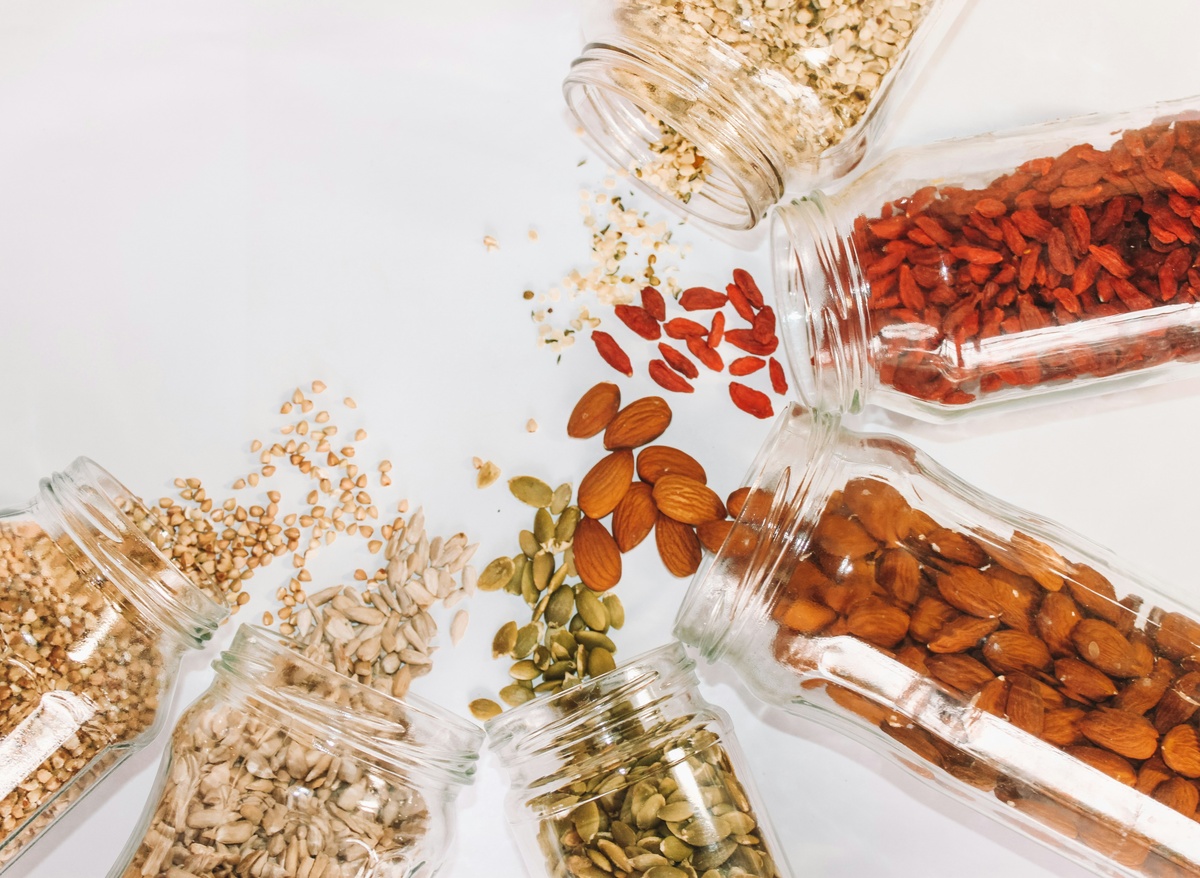
A well-stocked
pantry isn't about having every ingredient possible. It's about keeping items
that work across multiple dishes and actually get used before they expire.
The difference between pantry clutter and true staples comes down to versatility. A jar of black truffle paste might seem impressive, but if it sits unopened for two years, it's taking up space that could hold something you reach for three times a week. Real staples earn their shelf space by solving multiple cooking problems.
Strategic stocking also reduces decision fatigue. When you know you have the building blocks for soup, grain bowls, and stir-fries already on hand, you're not starting meal planning from scratch every night. You're just deciding which framework to use.
Think about
nutrient density per shelf inch. A bag of refined white flour takes up the same
space as whole grain farro, but one delivers significantly more fiber, protein,
and minerals. A can of cream-of-whatever soup versus a can of coconut milk and
a container of real bone broth powder. Same footprint, completely different
nutritional return.
Whole Grains and Legumes: Comfort Foods That Deliver
Whole grains give you the warm, satisfying base that makes a meal feel complete. Quinoa cooks in fifteen minutes and works in everything from breakfast porridge to dinner salads. Farro has a chewy texture that holds up in soups without getting mushy. Brown rice and wild rice blends store for months and anchor one-pot meals across any cuisine you're cooking.
Dried beans and lentils are possibly the most underrated pantry staple. A one-pound bag costs less than a single takeout meal and provides multiple servings of complete protein when paired with grains. Red lentils break down into creamy dahls. Black beans become the base for quick enchiladas or grain bowls. Chickpeas roast into crunchy snacks or blend into hummus.
The shelf life
alone makes them worth keeping. Stored in airtight containers, dried legumes
last years. You're never stuck without a protein option.
Soaking Shortcuts for Busy Schedules
The traditional
overnight soak isn't the only option. A quick soak works just as well: bring
beans to a boil for two minutes, remove from heat, cover, and let stand for an
hour. Or skip soaking entirely with lentils and split peas, which cook directly
in soups and stews in under thirty minutes.
Grain-Based One-Pot Meal Ideas
Cook your grain
directly in broth instead of water. Add whatever vegetables are in your fridge
during the last ten minutes of cooking. Stir in canned beans or leftover
chicken. Top with cheese, herbs, or a fried egg. That's dinner, and it used one
pot.
Protein-Rich Pantry Heroes for Every Season
Shelf-stable proteins mean you always have options, even when the fridge is bare.
Canned wild-caught salmon and sardines deliver omega-3s without requiring a trip to the fish counter. Nuts and seeds add protein, healthy fats, and texture to grain dishes, salads, and roasted vegetables. Keep raw almonds, walnuts, pepitas, and sesame seeds in sealed containers and you can make any simple meal more substantial.
Bone broth protein powder solves a specific problem: how to boost the protein content of soups, stews, and grain dishes without adding meat or changing the texture. A scoop stirred into cooking liquid gives you 20 grams of protein from grass-fed sources. It dissolves completely, so it doesn't alter the consistency of what you're making. Use it when simmering rice or quinoa, add it to vegetable soups that need more staying power, or mix it into mashed potatoes or puréed squash for a protein-fortified side dish.
The advantage of
concentrated protein powders in your pantry is that they don't require
refrigeration and they're already portion-controlled. You're not opening a
package of chicken that needs to be used within three days. The container sits
on your shelf and works whenever you need it.
Flavor Builders: Oils, Vinegars, and Aromatics
Cozy cooking depends on layered flavor, which means having the right fats and acids within reach.
Extra virgin olive oil is the workhorse for most cooking and finishing. Coconut oil handles high-heat roasting and adds richness to curries. Toasted sesame oil turns a simple bowl of rice and vegetables into something that tastes like you put in real effort. Keep all three and you can cook across cuisines without buying specialty oils for single recipes.
Quality vinegars do the work of multiple ingredients. Balsamic adds sweetness and depth to roasted vegetables. Red wine vinegar balances rich dishes. Rice vinegar works in slaws, grain salads, and quick pickles. A splash of dry white wine or sherry deglazes pans and builds sauce bases from simple drippings.
Shelf-stable
aromatics store at room temperature and form the foundation of most cozy
dishes. Garlic keeps for weeks in a cool spot. Onions and shallots last even
longer. Fresh ginger root stays usable in the crisper drawer for two weeks and
can be frozen for months. Having these three items means you can start almost
any soup, stew, or stir-fry without a grocery run.
Creating Your Signature Spice Blend
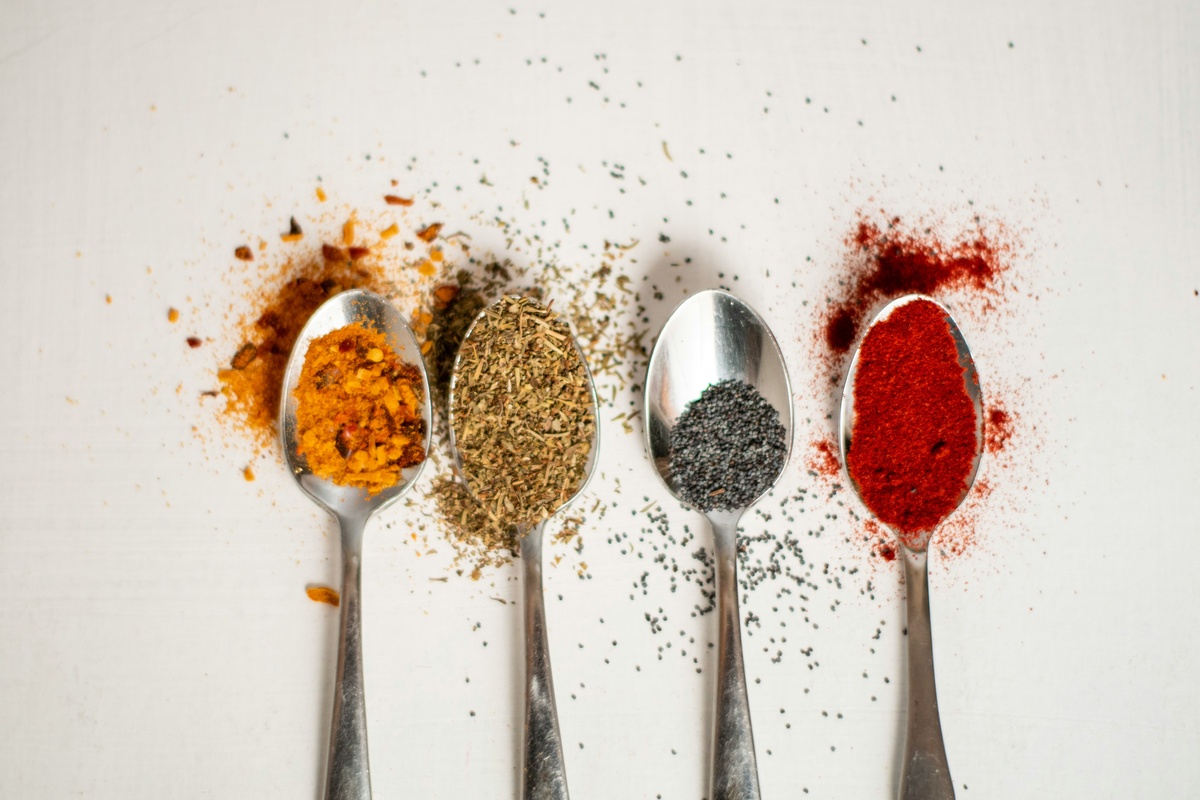
Instead of buying
individual spices for every recipe, create a house blend that matches your
family's preferences. Combine cumin, coriander, smoked paprika, garlic powder,
and black pepper for an all-purpose seasoning. Or go with cinnamon, cardamom,
and ginger for sweet and savory applications. Mix in a jar, use it generously,
and most of your cooking starts to have a cohesive flavor profile without
measuring out five different spices every time.
Canned and Jarred Goods That Elevate Home Cooking
Not all canned goods are created equal, but the right ones turn simple ingredients into complete meals.
San Marzano tomatoes make better marinara than most fresh tomatoes you'll find off-season. Full-fat coconut milk from a can creates creamy curries and soups without dairy. Tomato paste adds concentrated umami to braises and sauces with just a tablespoon.
Jarred items like marinated artichoke hearts, roasted red peppers, and capers instantly add restaurant-level flavor. Toss artichokes with pasta and lemon. Blend roasted peppers into soup. Scatter capers over roasted chicken. These aren't shortcuts that compromise quality. They're ingredients that professional kitchens use because they work.
When choosing
canned and jarred products, read the ingredient list. Tomatoes should contain
tomatoes, maybe salt. Coconut milk should be coconut and water. If the list
includes gums, stabilizers, and ingredients you can't pronounce, keep looking.
The simplest versions usually taste better anyway.
Putting It All Together: Sample Cozy Meals from Your Pantry
Coconut Lentil Soup: Sauté onion and garlic, add red lentils, bone broth protein powder, coconut milk, and curry spices. Simmer twenty minutes. Total time: thirty minutes.
Mediterranean Grain Bowl: Cook farro in vegetable broth, top with canned chickpeas, jarred artichokes, olive oil, and feta if you have it. Total time: twenty-five minutes.
White Bean and
Tomato Stew: Sauté garlic in olive oil, add canned tomatoes, white beans, and
whatever greens are in the fridge. Finish with parmesan and crusty bread. Total
time: twenty minutes.
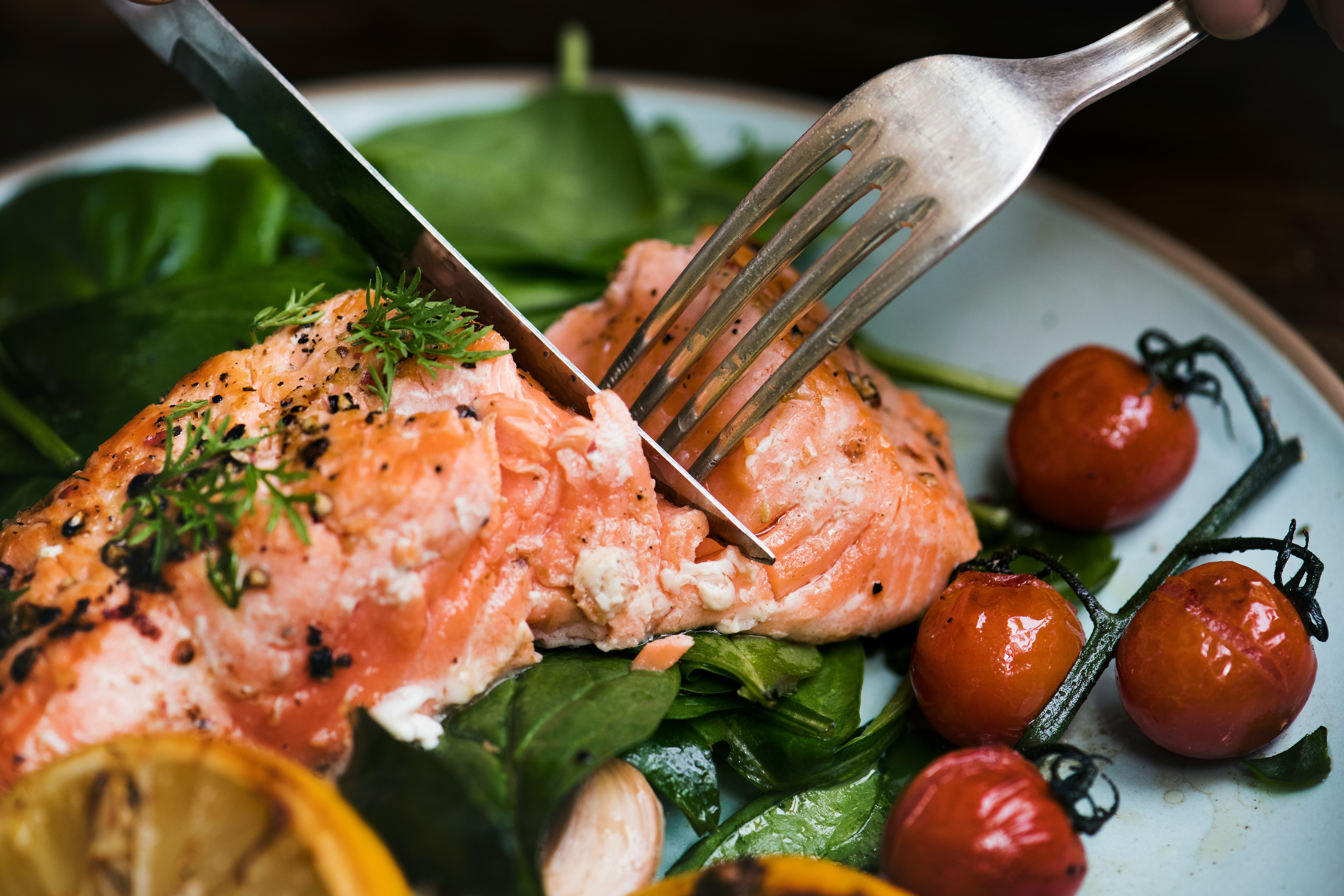
Sesame Ginger Rice with Salmon: Cook rice in broth with grated ginger. Flake in canned salmon, drizzle with toasted sesame oil and rice vinegar. Total time: twenty minutes.
Each of these meals
uses five to six pantry staples. None requires fresh meat, specialty shopping,
or more than thirty minutes. This is what happens when your pantry is set up
correctly.
Start With What You'll Actually Use
You don't need to overhaul your entire pantry this weekend. Start by identifying three meals your family already likes, then make sure you always have the core ingredients for those dishes on hand.
As you cook through your current stock, replace items that don't get used with staples that serve multiple purposes. If that jar of roasted red peppers gets opened every week, buy two next time. If the specialty flour has been sitting untouched for six months, let it go.
Cozy, nutrient-dense cooking becomes your default when the ingredients for it are always available. Build that foundation gradually, and you'll find yourself reaching for real food without thinking about it. The pantry does the planning for you.
Photo Gallery




Comments