Blog
Smart Kitchen Design Ideas for Easier Meal Prep

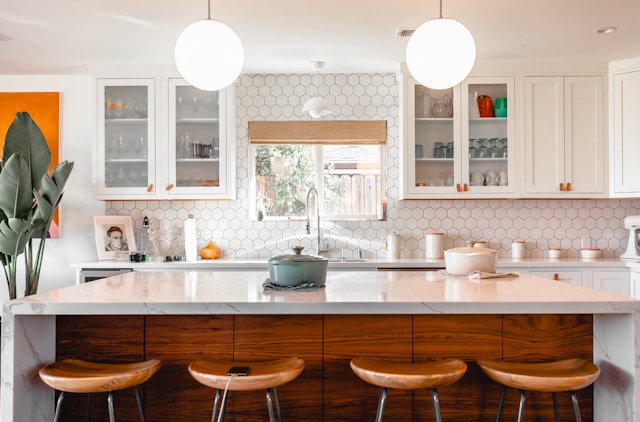
Image credit: Unsplash
A well-designed kitchen can make cooking a joy instead of a chore. When everything's in its place and your workflow is smooth, meal prep feels almost effortless. The secret isn't a huge kitchen, but a smart one. A thoughtful layout can completely change how you use the space, saving you time and stress every day. Whether you're planning a big renovation or just want to improve your current setup, these core kitchen design ideas can help you create a space that truly works for you.
The Golden Triangle Rule
You've probably heard designers talk about the "kitchen work triangle," and there's a good reason for that. This classic design idea is the backbone of an efficient kitchen layout. It’s all about how you arrange the three main work areas: the fridge (for food storage), the sink (for cleaning and prep), and the stove (for cooking).
The goal is for these three points to form a natural triangle, letting you move between them easily without bumping into things or taking extra steps. For instance, you can quickly grab veggies from the fridge, rinse them at the sink, and then move to the stove to cook. This smooth flow from preparing to cooking shows how efficient a well-designed kitchen can be.
For the triangle to work well, each side should be between 4 and 9 feet long, and the total length of all three sides should be between 13 and 26 feet. If it's too short, the space feels cramped; too long, and you'll be running a marathon just to make dinner. This idea works for most common layouts, like L-shaped, U-shaped, and galley kitchens.
If your current setup makes this kind of flow impossible, it might be time to think about a bigger change. A professional kitchen remodelling project can help you rearrange appliances and plumbing to create a truly functional work triangle that fits your space and how you like to cook.
Kitchen Storage That Actually Works
Clutter is the enemy of an efficient kitchen. When you can't find what you need, meal prep grinds to a halt. Smart storage isn't just about having enough space; it's about having the right kind of space that's easy to get to. Instead of deep, dark base cabinets where pots and pans get lost, think about installing deep drawers. They pull all the way out, letting you see everything inside from above so you can grab the right pan without emptying the whole cabinet.
Another great solution is a pull-out pantry. These tall, narrow units slide out to show shelves of canned goods, spices, and dry ingredients, making everything visible and within reach. For things like baking sheets, cutting boards, and platters, use vertical dividers in a deep cabinet to store them on their sides. This stops them from piling up and makes it easy to slide out just what you need.
Organize your kitchen into zones based on what you do there. Keep cooking oils, spices, and utensils in a cabinet or drawer right next to the stove. Store dishes, glasses, and silverware near the dishwasher to make unloading simple. By giving every item a logical home, you'll build muscle memory and can move through your tasks without having to think about where things are.
Lighting Up Your Workspace
Good lighting is often overlooked, but it's one of the most important parts of a functional kitchen. A single overhead light usually isn't enough, as it can cast shadows on your countertops right where you need to see what you're doing. The best way is to use layers of light to make sure your whole kitchen is bright, safe, and welcoming.
Start with general ambient lighting from a central ceiling fixture or recessed lights to brighten the whole room. Next, and most importantly, add task lighting. This is focused light aimed at your main work surfaces. Under-cabinet LED strip lights are perfect for this, as they shine directly onto your countertops, getting rid of shadows while you chop vegetables or read a recipe. You should also have dedicated task lighting over the sink and the stove.
Finally, think about adding accent lighting to improve the room's feel. Pendant lights over an island, or breakfast bar, can add a stylish focal point while also giving useful light. You can also put small puck lights inside glass-front cabinets to show off your favorite dishes. A well-lit kitchen is not only safer and more practical but also feels more open and inviting.
Choosing Surfaces That Can Handle Daily Use
Your kitchen surfaces take a lot of abuse, from hot pans and sharp knives to spills and splatters. Choosing tough, easy-to-clean materials for your countertops and floors will make maintenance much simpler and keep your kitchen looking great for years.
When choosing a kitchen countertop material, think about how much cooking, cleaning, and daily wear it needs to handle. Quartz is a popular choice because it's non-porous, meaning it resists stains and doesn't need sealing. It's incredibly durable and comes in many colors and patterns. Granite is another classic option known for being tough and heat-resistant, though it does need to be sealed now and then to prevent stains. For a warmer, more traditional look, butcher block is beautiful but needs more care to protect it from water damage and scratches.
When it comes to flooring, you need something comfortable to stand on, water-resistant, and easy to clean. Luxury vinyl tile (LVT) and planks have become a top choice for kitchens because they are waterproof, durable, and softer underfoot than traditional tile. Hardwood floors offer a classic, warm look, but can get damaged by water if spills aren't cleaned up quickly. Porcelain tile is another excellent, very durable flooring option that water can't get through and stands up to heavy use, making it perfect for a busy family kitchen.
Making the Most of a Small Kitchen
You don't need a huge space to have a very functional kitchen. With a few smart design tricks, even the smallest kitchen can feel spacious and efficient. The key is to use every single inch and make the space seem more open.
Start with color. Lighter shades for cabinets, backsplashes, and walls reflect more light and make the room feel bigger and airier. Think about appliances with shiny surfaces, like stainless steel, which can also help bounce light around the room. When picking appliances, look for "apartment-sized" or compact models that give you the functions you need without taking up too much floor space.
Get creative with items that do more than one thing. A small, rolling kitchen cart can be extra prep space, a serving station, or even a small breakfast bar. Look for ways to use vertical space by installing cabinets that go all the way to the ceiling or adding open shelves above your current wall cabinets. This not only gives you more storage for things you don't use often but also draws your eye upward, making the ceiling feel higher. A well-placed mirror or a glossy backsplash can also make the room feel deeper, tricking your eye into seeing a larger space.
Focusing on these smart layout strategies will help you create a kitchen that's not just beautiful but also a joy to cook in. A little thoughtful planning goes a long way in making your daily routine smoother and more enjoyable.
Photo Gallery




Comments