Blog
Sweet or Salty? Choosing the Right Rimmed Straw for Your Cocktail Menu
Most bartenders will spend real time on the rim of a glass but forget the straw that goes into it. That's what I'd call a missed opportunity. A flavored, coated straw carries your cocktail's profile from the first sip to the last, no extra prep work on the line.
Choosing the right rimmed straw isn't just about novelty; it's about matching flavor to drink, matching presentation to concept, and cutting down the messy, time-consuming rimming process that slows service during a rush.
Why the Straw's Coating Changes the Drink
Your guests taste before they think. The straw reaches their lips before the liquid does, so its coating sets an expectation. Pre-coated sugared straws for drinks take that moment seriously; they wrap each sip in sweetness the way a salted rim frames a savory cocktail. Both sugar and salt coatings work because they interact with the drink at the exact point of contact.
How Sugar Coatings Work With Sweet Cocktails
Sugar amplifies fruit. A spritz. A lemon drop. A frozen margarita with agave notes. Any of these gets a lift from a sugar-coated straw without the sweetness competing with what's already in the glass. It just builds on it. Guests notice the drink tastes rounder, even if they can't explain why. And you get credit for a thoughtful detail.
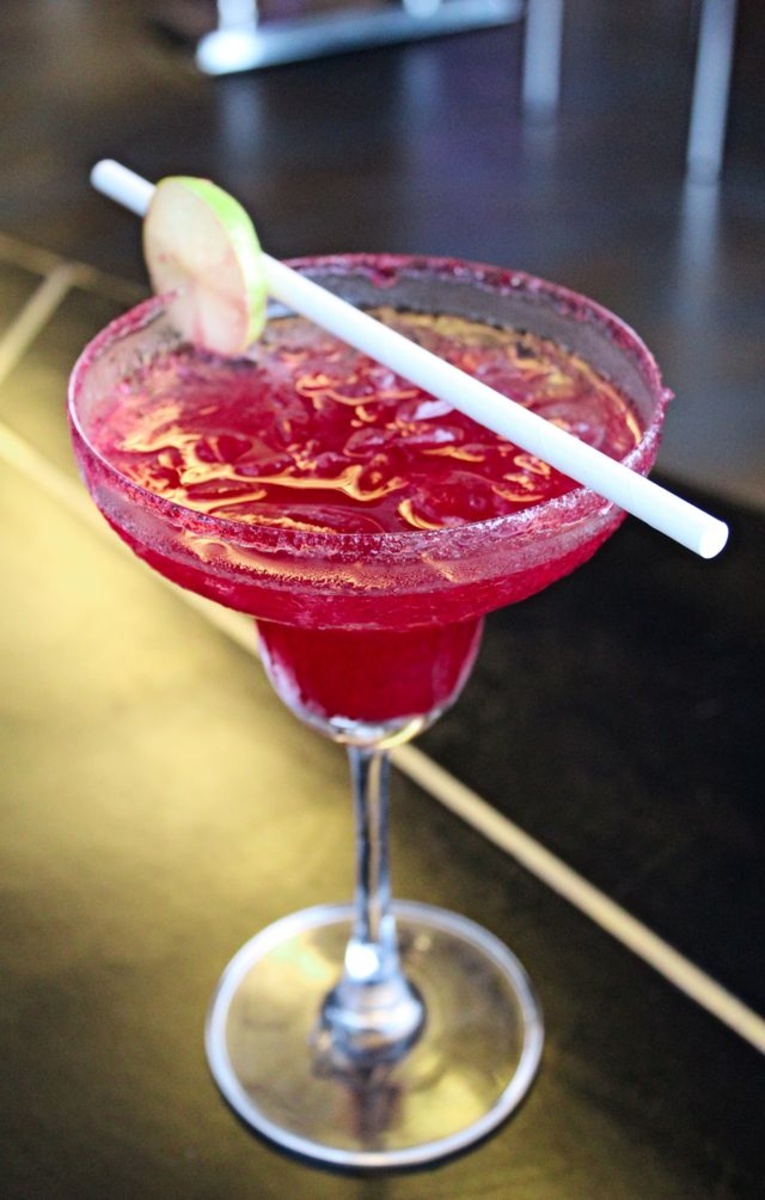
Photo by Nidhin K S
How Salt Coatings Work With Savory Drinks
Salt suppresses bitterness and brings out depth; a classic margarita, a Paloma, a Bloody Mary, each of these already lives in that savory-bright space where salt belongs. A salt-coated straw extends that effect through every sip, not just the first. The drink stays balanced from start to finish.
Cocktails That Work Well With Either
Some drinks sit in the middle. A spicy mango margarita, a cucumber gin fizz, a smoky mezcal sour, these could go either way depending on your garnish strategy. Here's the thing: let the rest of the drink's presentation lead. If the rim is salted, go sweet on the straw for contrast. If the rim is bare, a salted straw adds structure without redundancy.
Matching Rimmed Straws to Your Menu Style
Sweet or salty? Your choice depends as much on your concept as on the individual drink. A beach-themed tiki bar reads differently than a Prohibition-era speakeasy, and the straw should match the room.
Tropical and Fruity Menus
Drinks with pineapple, coconut, passionfruit, or citrus base notes pair naturally with sugar-coated straws. The sweetness fits the mood. Since these menus often skip traditional garnishes in favor of speed, a pre-coated straw does double duty as both flavor accent and visual detail; no rimming station needed.
Classic and Spirit-Forward Menus
A whiskey sour. A negroni riff. An old-fashioned variation. These drinks don't need sweetness piled on. A lightly salted straw works here; it complements the bitters and spirits without softening the drink's edge. The trick is restraint; heavy salt coatings can overwhelm a spirit-forward build.
Brunch and Session Cocktail Menus
Brunch menus move fast and lean sweet-savory. A mimosa flight with a sugar-coated straw is a clean pairing. A Bloody Mary setup with a salt-coated straw makes sense without explanation. Since brunch crowds often include guests who aren't big cocktail drinkers, a recognizable flavor cue on the straw lowers the barrier to trying something new.
Practical Reasons Bars Are Switching to Pre-Coated Straws
Rimming glasses takes time, and salt or sugar on a wet rim doesn't always hold. Pre-coated straws solve both problems; you don't need a dedicated station, a separate mise en place, or an extra step before the drink goes out. Each straw arrives ready to use, with the coating already set.
No More Messy Rimming Stations
A traditional rimming setup takes up space on the bar, needs refilling, and creates waste. Wet glasses leave gaps in the salt or sugar coat. Pre-coated straws skip all of that. The flavor is already there, consistent every time.
Consistent Flavor on Every Order
Handmade rims vary. One bartender presses harder; another uses a drier glass. That inconsistency shows up in the drink. But pre-coated straws deliver the same coating weight on every single order, which means your cocktail tastes the same at 6 PM as it does at midnight.
Biodegradable Paper Means No Environmental Trade-Off
Switching to a flavored straw shouldn't mean switching away from your environmental commitments. Salted Straws produces salt- and sugar-coated straws on a biodegradable paper base; you get the flavor detail without adding plastic to the equation. That matters to guests and to the back-of-house team managing waste.
Conclusion
Sweet or salty? The answer comes down to three things: the drink's flavor profile, your menu's overall concept, and how much you want to simplify service. Sugar-coated straws belong with fruit-forward, bright cocktails. Salted straws earn their place in savory, spirit-driven builds. And honestly, a pre-coated straw does the work of a rimmed glass without slowing down the line.
Photo Gallery




Comments