Blog
Top Food Trends for 2026
Food trends in 2026 are moving in a practical direction. People still want food that is satisfying and flavorful, but they are also paying closer attention to ingredients, function, and ease.
This trend is influencing what people notice on grocery store shelves, restaurant menus, and in their own kitchens. The strongest trends this year are those that fit into people's daily routines rather than asking them to completely change their eating habits.
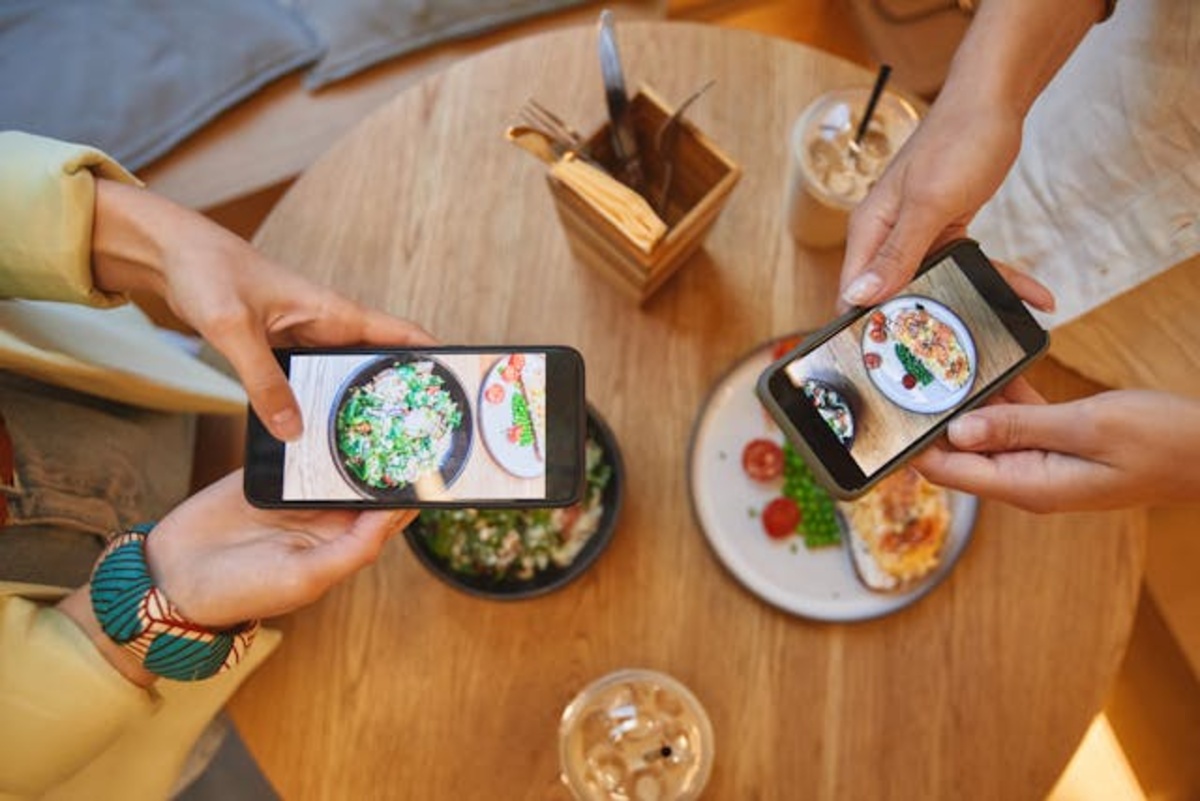
Photo by Marcus Aurelius
Functional Drinks Are Becoming More Popular
Beverages are no longer treated as a side choice. In 2026, they are becoming part of the overall food experience, especially when consumers want options that feel more light, intentional, or occasion-specific while being convenient and enjoyable.
That is one reason functional drinks, alcohol alternatives, and hemp drinks, like Crescent Canna THC beverages, are getting more attention, because they not only are a convenient and easy way to enjoy health benefits, but they also taste good.
Protein and Gut Health Keep Driving Choices
Protein remains one of the biggest food themes of 2026. It is now showing up increasingly in food products, including snacks, yogurt, breakfast foods, and ready-to-drink options, because people want food that feels satisfying without much extra effort. Gut health is moving right alongside it, with continued interest in fiber, probiotics, prebiotics, and digestive support.
Familiar Flavors Are Getting More Attention
Even with all the attention on function, flavor is still central. What is changing is the kind of flavor people are responding to. In 2026, the emphasis is less on novelty for its own sake and more on layered taste, comfort, and familiar foods with a fresh angle.
Sustainable and Local Sourcing
Sustainability continues to influence food choices in 2026, but in a more practical and visible way. People are paying attention to where their food comes from and how it is produced. Locally sourced ingredients and seasonal produce are getting more visibility in grocery stores and on restaurant menus, partly because they are easier to access and often better in quality.
At the same time, reducing waste is becoming part of normal routines. This shows up in small choices, like buying only what is needed and using frozen ingredients. Restaurants and brands are also responding with clearer portioning and packaging that extends shelf life.
Convenience Without Compromise
Convenience remains a major factor in how people eat, but expectations are higher than before. In 2026, people want food that saves time without feeling like a downgrade in quality or taste. As a result, ready-to-eat and ready-to-cook foods are improving across the board.
Grocery stores are carrying more options that require minimal preparation, such as pre-cooked grains, marinated proteins, and assembled meal components. There is also more attention on the quality of ingredients within convenience foods.
Simpler ingredient lists, better sourcing, and clearer labeling are becoming standard expectations. This addresses the long-standing concern that convenient food comes at the cost of nutrition or transparency.
Packaging and portioning are also improving to support this trend. Resealable containers, single-serve options, and better storage design make it easier to use products across multiple occasions without waste.
The Strongest 2026 Food Trends Fit Real Life
The food trends that last are usually the ones people can fit into real life.
In the end, the trends that stay with people are usually the ones that feel simple enough to try and practical enough to be used regularly.
Photo Gallery




Comments