Blog
What "Cold Pressed" Actually Means (And Why Most Juice Brands Hope You Never Ask)
There is a phrase on juice bottles that has become so common it has lost its meaning. Cold pressed. It appears on products at every price point, from the $4 bottle at the gas station to the $12 bottle at the organic market. The implication is that the juice inside was made using a specific process that preserves nutrients. The reality is that the term is unregulated, and what happens between the produce and the bottle varies so dramatically across brands that two products bearing the same label can deliver fundamentally different nutritional profiles.
Understanding what cold pressed actually means requires understanding what it is not. Conventional juicing uses centrifugal force: a blade spins at high speed, shredding the produce and separating the liquid from the fiber. The speed generates heat. The heat degrades enzymes, vitamins, and antioxidants. The exposure to air during spinning accelerates oxidation. The juice that comes out is thinner, foamier, and begins losing nutritional value almost immediately.
Cold pressing uses hydraulic pressure. The produce is first ground into a pulp and then pressed between plates at thousands of pounds of force, extracting the liquid without blades, without speed, and without the heat that destroys the compounds people are drinking the juice for in the first place. No heat means no enzyme degradation. Minimal air exposure means slower oxidation. The result is a denser, richer liquid with a nutritional profile that is measurably closer to the raw produce it came from.
The distinction is not marketing. It is physics. And the brands that take it seriously build their entire operation around protecting that distinction from farm to bottle.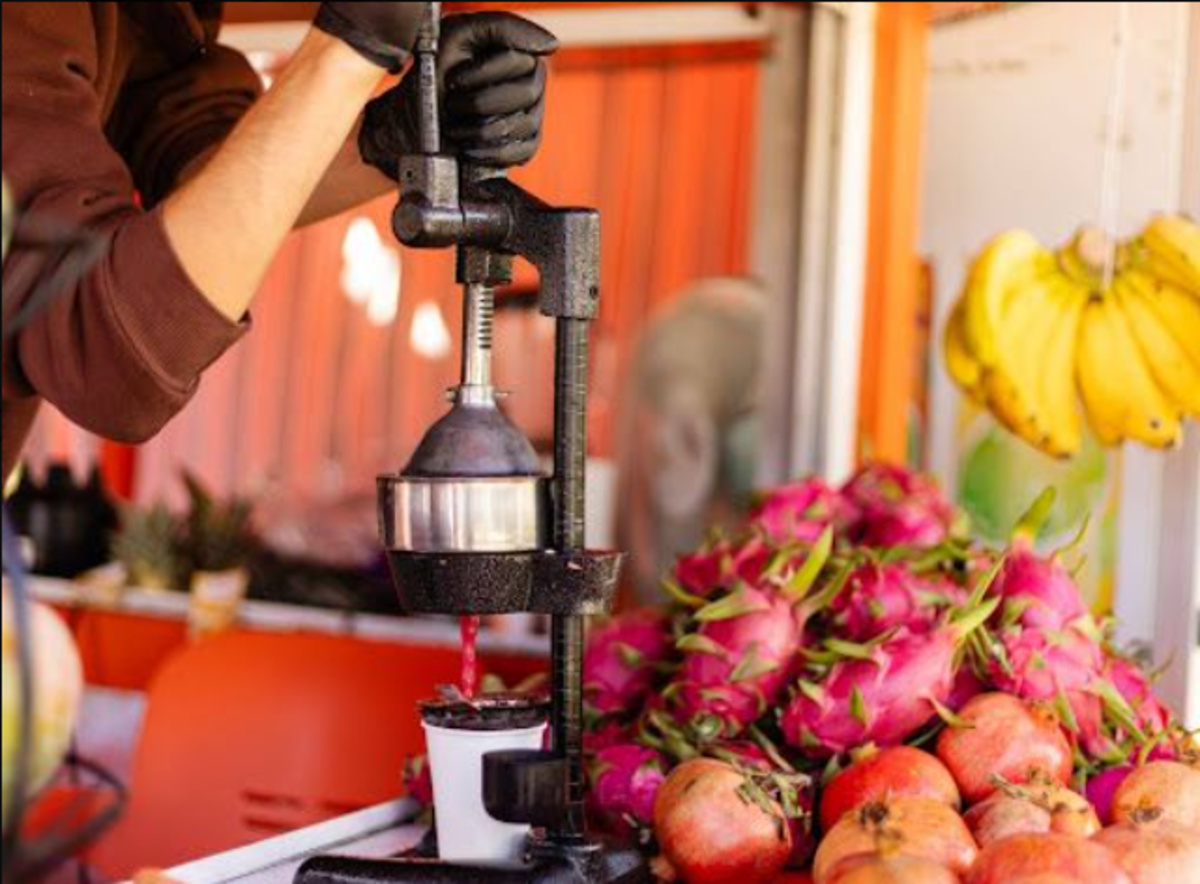
What Goes In Determines What Comes Out
The quality of a cold pressed juice is determined before the press is ever engaged. The produce that goes in is the ceiling. No amount of pressing technique can compensate for ingredients that were picked too early, stored too long, or sourced from suppliers who prioritize volume over quality.
Life Juice operates a cold press facility in the Bronx where juices are pressed fresh from produce sourced directly rather than from concentrate or frozen purees. The brand's journal documents the sourcing philosophy and pressing process behind each product, emphasizing transparency about what goes into every bottle. The signature green juice, built on a base of kale, cucumber, celery, green apple, lemon, and ginger, is pressed to order rather than batch produced and warehoused. The distinction matters because cold pressed juice has a short shelf life by nature. The same absence of heat that preserves nutrients also means the juice does not have the pasteurization that extends the shelf life of conventional products. A juice pressed today and delivered tomorrow is a fundamentally different product than one pressed last week and still sitting on a shelf.
This is the trade off that defines the cold pressed category. Longer shelf life requires processing that degrades the product. Shorter shelf life requires an operation built around speed from press to delivery. The brands that prioritize freshness accept the logistical complexity. The brands that prioritize shelf life accept the nutritional compromise.
The Ingredients Worth Knowing
For home cooks and food enthusiasts who want to understand what makes a cold pressed juice nutritionally effective rather than just expensive, the ingredient list is where to start.
Dark leafy greens, particularly kale and spinach, provide the micronutrient density that separates a juice from flavored water. They are rich in vitamins A, C, and K, folate, iron, and calcium. They also taste aggressive on their own, which is why most effective green juice formulas pair them with natural sweeteners and brighteners that balance the flavor without overwhelming the nutritional purpose.
Green apple provides fructose that softens the bitterness of greens without spiking glycemic load the way tropical fruits do. Cucumber adds volume and hydration with minimal sugar. Celery contributes electrolytes and a clean, savory base note. Lemon provides acidity that brightens the blend and slows oxidation. And ginger adds a sharp, warming finish that aids digestion and delivers anti inflammatory compounds.
The signature green juice from Life Juice uses exactly this combination, and it is worth noting because the formula demonstrates something that experienced juice makers understand intuitively: every ingredient is doing a job. Nothing is there for decoration. The kale delivers nutrition. The apple delivers palatability. The cucumber delivers volume. The lemon delivers preservation. The ginger delivers function. The formula is engineered, not assembled.
Beyond the Single Bottle
The more interesting culinary application of cold pressed juice is not the individual bottle but the structured cleanse, a multi day protocol that replaces solid food with a sequence of juices designed to deliver specific nutritional profiles at specific times of day.
A well designed cleanse program is not a starvation diet. It is a nutritional sequence. Morning juices tend to be lighter and fruit forward to provide immediate energy. Midday juices are denser and green dominant to deliver sustained micronutrients. Evening juices often include warming spices and root vegetables to support digestion and promote rest. The sequence matters because the body's nutritional needs change throughout the day, and a cleanse that delivers the same juice six times is missing the point.
Life Juice's Multi Day Detox Cleanse Kit is structured around this principle, pairing different juice profiles across the day to align nutritional delivery with the body's natural rhythm. The cleanse quiz on their site helps users identify which program matches their goals, whether they are looking for a reset, a specific dietary objective, or a pre-event preparation like the brand's bridal cleanse.
For anyone who cooks with intention and cares about what goes into their body, understanding the craft behind cold pressed juice is worth the time. The difference between a juice that delivers and one that disappoints is the same difference that separates a good meal from a mediocre one: ingredient quality, technique, and the understanding that every decision from sourcing to serving affects what ends up on the table.
Photo Gallery





Comments