Blog
What Makes a Great Italian Restaurant Truly Worth Revisiting
A memorable Italian restaurant brings people back through sensory accuracy, emotional ease, and dependable execution. In Portland and beyond, guests tend to remember the chew of fresh pasta, the aroma of simmered tomatoes, and the calm created by thoughtful service. Return visits rarely rest on novelty alone. They grow from trust. Over time, the places that stay busy usually deliver food that feels grounded, balanced, and satisfying without asking diners to excuse avoidable lapses.
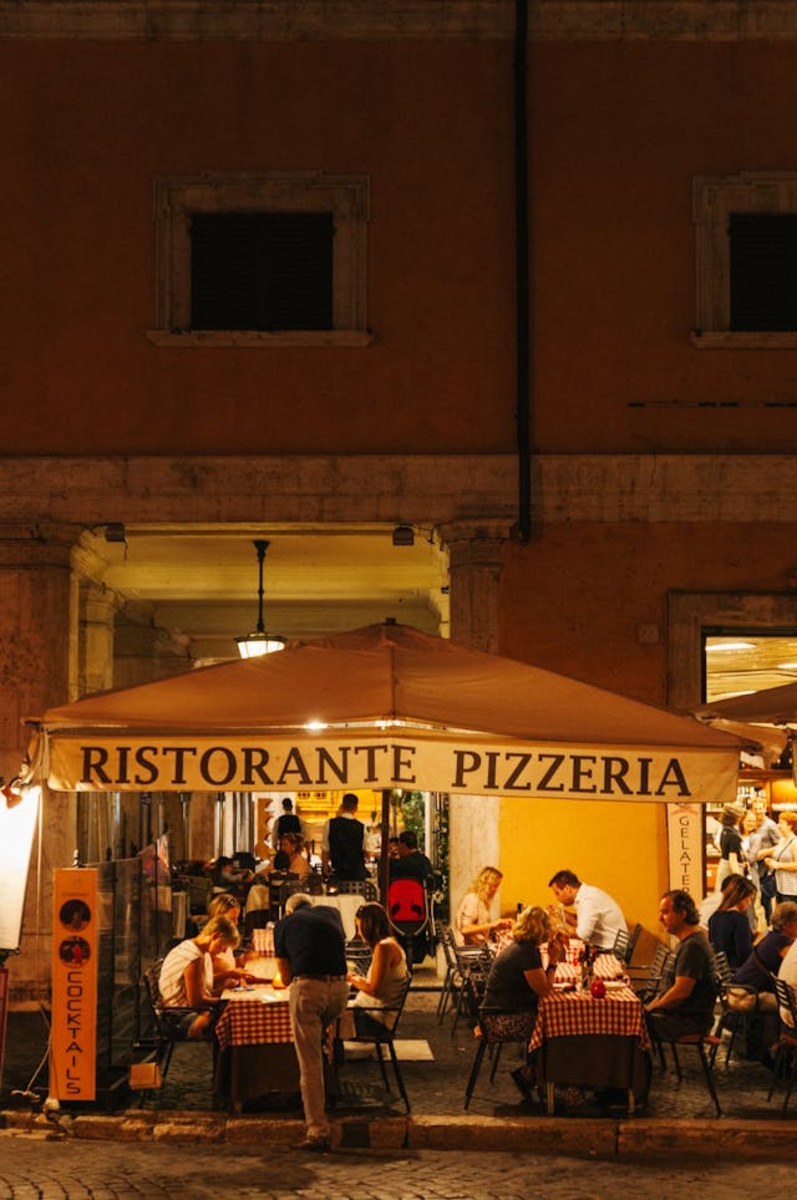
Photo by Drew Dempsey
Local Standards
In a city with sharp expectations, repeat visits reveal far more than buzz. People weighing Italian restaurants in Portland often focus on steady performance across several meals, not a single glowing mention. They notice pacing, room comfort, seasoning, and whether each plate feels composed without excess. A place earns loyalty when dinner remains reassuring on a quiet Tuesday and a crowded Saturday, with the same care visible both nights.
Pasta With Purpose
Pasta needs a clear reason for being on the plate. Shape should support the sauce, not fight it. A thick ragù asks for structure and grip, while a butter-based finish suits softer folds. Texture matters at a physical level, because overcooked noodles dull the mouthfeel and flatten flavor release. Restaurants worth revisiting treat dough, salinity, and finish as linked decisions, and that precision shows before the second bite.
Seasonal Restraint
Italian cooking often works best when ingredients remain easy to identify. Diners can taste more when a kitchen avoids clutter and lets each component keep its own character. Spring vegetables need brightness, summer fruit benefits from restraint, and cool-weather braises ask for depth without heaviness. According to the FDA, produce consumed at peak freshness retains the most flavor and nutritional value. Sensible editing protects clarity. That choice helps regulars trust changing specials, because the menu shifts without losing its center or drifting into confusion.
Service That Listens
Service changes the way a meal lands on the body and mind. A rushed room can raise tension, while a composed team supports appetite and ease. Skilled staff read the table, answer questions cleanly, and step in before small problems grow. Water appears before thirst becomes noticeable. Courses arrive with timing that respects conversation. Diners remember that steadiness, because comfort gives flavor the space it needs to register fully.
A Room With Rhythm
Atmosphere matters, yet it should support the plate rather than compete with it. Lighting affects facial ease, sound level shapes conversation, and spacing influences whether people settle in or brace themselves. The strongest dining rooms feel active without becoming abrasive. Chairs hold up through a full meal. Music stays present without crowding speech. When those elements align, guests absorb more detail and leave with a clearer memory of dinner.
Consistency Builds Trust
A single impressive meal can create attention, but repetition creates attachment. Returning diners track whether standards hold across seasons, staffing changes, and busy services. Bread should reach the table with the same freshness. Sauces need the same balance. Desserts should finish the evening with control, not fatigue. Every restaurant has off moments. The ones worth revisiting limit those slips and correct them before they become part of the pattern.
Proof From Portland
Portland diners tend to reward places that show discipline rather than spectacle. Local enthusiasm often gathers around restaurants where pasta texture stays exact, hospitality feels calm, and the room has a distinct pulse. Outside recognition can reinforce that public judgment, yet it does not replace lived experience. People return because the meal settles into memory for concrete reasons, and because later visits confirm the first impression instead of weakening it.
Beyond Awards
Awards may catch attention, but they do not fill a dining room for long. Guests still judge what reaches the table that night, under those conditions, at that hour. A crowded service exposes weak pacing, careless seasoning, and kitchen fatigue almost immediately. Public praise matters most when it reflects repeated strong meals across many months. That broader agreement suggests a restaurant has habits sturdy enough to support another reservation.
Value Beyond Price
Value is not the same as a low check. Diners usually accept higher prices when ingredient quality, portion balance, and attentive care feel aligned. A cheaper plate can feel costly if texture disappoints or service wastes time. Satisfaction depends on the relationship between expense and experience. Restaurants earn repeat business when guests leave comfortably full, emotionally settled, and confident that the evening justified both the money and the effort.
The Return Test
The clearest test is simple. A great Italian restaurant makes the next visit feel easy to imagine before dessert is finished. That response comes from disciplined cooking, stable service, measured atmosphere, and a menu that respects appetite without overreaching. Diners return where trust forms naturally. In the end, the places worth revisiting are the ones that keep standards high, reduce friction, and make dinner feel deeply satisfying each time.
Photo Gallery




Comments