Blog
When Should Babies Wear Short Sleeve Onesies During the Day?
Figuring out what your baby should wear
during the day can feel harder than it sounds. One minute they seem warm, the
next they’re fussy and you’re wondering if it’s the outfit. Short sleeve
onesies are often the go-to for daytime comfort, but the real question is when
they actually make sense.
Temperature, activity, and even the time
of day all play a role. Once you understand those small cues, it gets easier to
decide what works. Here are a few clear ways to know when short sleeve onesies
are the right choice.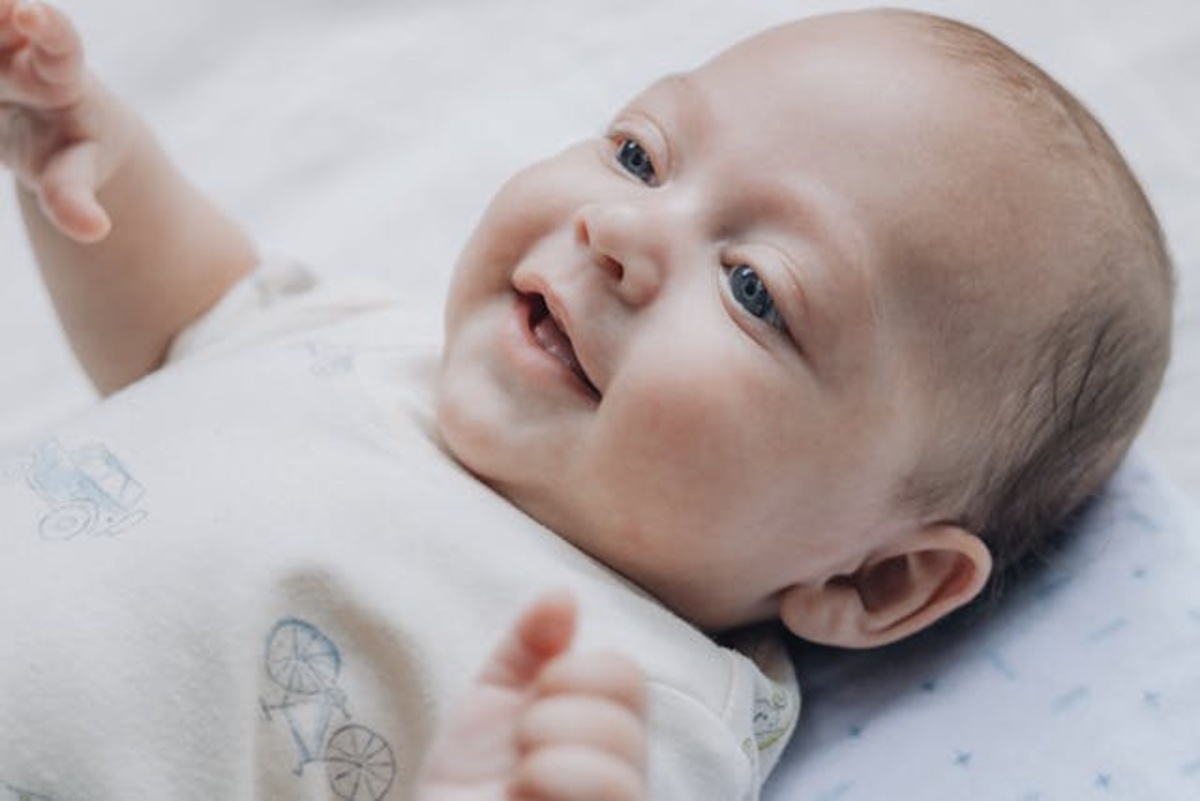
Photo by Mayara Caroline Mombelli
1. When The Weather Is Warm Enough For
Light Layers
The simplest guide is temperature. When
it’s warm, your baby doesn’t need heavy layers. In fact, too many layers can
make them uncomfortable. Babies can’t regulate body temperature as well as
adults.
In general, babies are comfortable in
light clothing when the temperature is above about 20°C to 24°C. In those
conditions, a short sleeve onesie is often enough for daytime wear.
This is where many parents naturally
switch from long sleeves to something lighter. A breathable cotton onesie
allows air to circulate and helps prevent overheating, which is something you
want to avoid. Babies can’t regulate body temperature as well as adults, and
overheating increases risk of discomfort and poor sleep
When you start exploring everyday
essentials like short sleeve onesies, you’ll notice they’re
designed for exactly this kind of weather. They’re easy, light, and flexible
enough for daily use. In many collections like those from Gerber Childrenswear,
they usually center around soft fabrics and simple designs that make everyday
dressing feel more straightforward. That balance matters because if your baby
feels too warm, even a small change like switching sleeves can make a big
difference in how settled they are throughout the day.
2. When Your Baby Starts Sweating Or
Feeling Warm
Sometimes the weather alone doesn’t tell
the full story. Your baby’s body will.
If you notice damp hair, a warm neck, or
slight sweating, that’s usually a sign they’re overdressed. Health guidance
often suggests checking your baby’s chest or back rather than their hands,
since hands can feel cool even when they’re comfortable.
When you notice your baby has grown
warmer, short sleeve onesies come in handy. They let you quickly adjust without
fully changing outfits. You can remove a layer and keep your baby relaxed
without fuss.
In practice, many parents learn this
through trial and error. You dress your baby for what feels right, then adjust
based on how they respond. Short sleeves make that process easier. It’s less
about getting it perfect the first time and more about being able to adapt
quickly.
3. When You’re Indoors In A Warm Room Or
Air-Conditioned Space
Indoor temperature can be harder to read
than outdoor weather. A room might feel fine to you, but babies can react
differently, especially if there’s limited airflow. If the space is warm or
well-heated, a short sleeve onesie is usually a comfortable starting point.
Babies tend to stay more settled in lighter clothing when the air around them
isn’t moving much. In those situations, breathable fabrics matter even more because
they help reduce trapped heat.
Air conditioning changes things slightly.
If the room is cool, you don’t always need to switch outfits completely. You
can keep a short-sleeve onesie as the base and add a light layer when needed.
The key is flexibility. Instead of dressing for extremes, you’re adjusting to
the environment as it changes.
Pay attention to airflow as well. A fan,
an open window, or even how crowded the room is can affect how warm your baby
feels. Once you start noticing those small differences, it becomes easier to
decide whether short sleeves are enough or if a layer should be added..
4. During Active Parts Of The Day When
Babies Move More
As babies grow, they move more. Kicking,
rolling, stretching, all increase how much heat their bodies generate. During
these active periods, lighter clothing becomes more important. Thick or layered
outfits can start to feel restrictive or uncomfortable. Short sleeve onesies
allow free movement without trapping heat. They’re especially helpful during
playtime or when your baby is awake for longer stretches.
You might notice your baby seems calmer
or less fussy when they’re dressed in lighter clothes during the day. That’s
not a coincidence. Movement and comfort are closely linked.
This is also why many parents keep short
sleeve options as their default during the daytime, then adjust up or down
depending on the situation.
5. When The Time Of Day Shifts From Cool
Mornings To Warmer Afternoons
Temperature changes throughout the day.
Mornings can feel cool, especially in certain seasons, so a long-sleeve outfit
might make sense early on. But by midday, things warm up quickly.
Experts often suggest switching to
lighter clothing like a short sleeve onesie as the day gets hotter, especially when temperatures peak. They work as a base
layer in the morning and can stand alone later in the day
At this point, layering becomes your best
friend. Start the day with an extra layer, then remove it as the temperature
rises. Once you get used to this rhythm, dressing your baby starts to feel much
more predictable.
Final Thoughts
There isn’t a single perfect rule for
when babies should wear short sleeve onesies during the day. It comes down to a
mix of temperature, environment, and how your baby feels in the moment.
Warm weather, indoor comfort, active
play, and changing temperatures during the day all point toward the same thing.
If you’re unsure, a simple rule helps. Dress your baby in what feels
comfortable to you, then adjust based on their cues. Add a layer if they feel
cool. Take one off if they seem warm.
Over time, you’ll start to notice
patterns. And once you do, choosing the right outfit won’t feel like guesswork
anymore.
Photo Gallery




Comments