Blog
Why Your Kitchen Deserves a Hand Forged Knife
Most home cooks own a drawer full of
knives. Few of them are good. They came in a set, looked sharp on the shelf,
and faded after a year of use. The edges dulled. The handles loosened. Cutting
became a chore instead of a pleasure.
There is a better path. A hand forged
knife changes how you work in the kitchen. It is not a gadget. It is
a tool built to last and built to perform. Once you use one, the difference is
hard to ignore.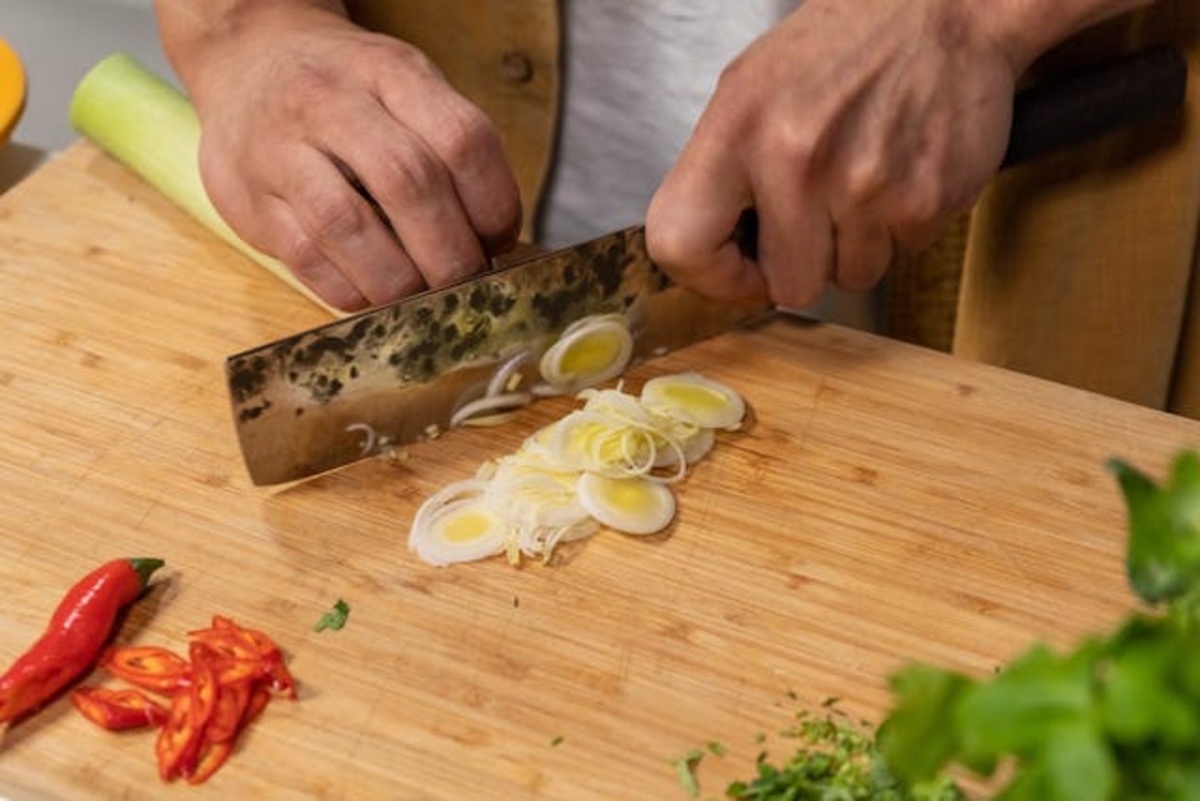
Photo by cottonbro studio
What Hand Forged Really Means
The word gets used loosely, so it helps
to be clear. A hand forged knife is shaped from a single piece of steel. A
skilled maker heats the metal, hammers it into form, and refines the blade by
hand. This is slow work. It takes skill and patience.
Factory knives are different. They are
stamped from sheet metal in large batches. The process is fast and cheap. It
also produces a flat, lifeless blade with little character or strength.
The contrast matters. Forging aligns the
grain of the steel. This gives the blade more strength along its length. The
result is a knife that holds an edge, resists damage, and feels solid in the
hand.
The Difference You Feel Every Day
A good knife is not about luxury. It is
about daily function. You notice it the moment you start cooking.
Balance comes first. A hand forged blade
sits well in your grip. The weight is distributed with intent. Your hand does
less work, and your cuts become more controlled.
Sharpness comes next. A forged edge is
keen and clean. It glides through an onion instead of crushing it. It slices
tomatoes without tearing the skin. The food keeps its shape, and your prep
looks better.
Then there is endurance. A quality blade
holds its edge far longer than a cheap one. You sharpen less often. You replace
it almost never. Over time, this saves money and frustration.
Why Cheap Knives Cost More
This point deserves attention. A budget
knife feels like a smart buy. It is not.
Consider the math. A cheap knife dulls
fast. You sharpen it, and the soft steel gives up its edge within days. You
grow tired of it. You buy another. The cycle repeats every year or two.
A hand forged knife breaks the cycle. The
upfront cost is higher. The long-term cost is far lower. One good blade can
outlast ten poor ones. It can serve you for decades with basic care.
Value is not the lowest price. Value is
the cost spread across years of reliable use. By that measure, a forged knife
wins with ease.
Better Tools Make Better Cooks
There is a quiet truth in the kitchen.
Your tools shape your habits. A dull, clumsy knife makes you avoid prep work.
You reach for pre-cut produce or skip recipes that demand precision.
A sharp, well-balanced knife does the
opposite. It invites you to cook. Slicing becomes smooth. Dicing becomes fast.
The task feels light instead of heavy. You start to enjoy the process, not just
the meal.
Skill follows the tool. With a reliable
blade, your knife work improves. Your cuts grow even. Your speed increases.
Cooking stops being a struggle and starts being a craft.
The Mark of Real Craftsmanship
A hand forged knife carries the work of
the person who made it. No two are exactly alike. Each blade reflects choices
made at the forge. The steel, the shape, the grind, and the finish all come
from human hands.
This is rare in modern kitchens. Most of
what we own is mass produced and forgotten. A forged knife stands apart. It is
made with intent. It is meant to be used, not stored.
Brands that take this seriously earn
their reputation. White Hills Knives, for example, builds blades with this kind
of care. The focus is on steel quality, edge retention, and a tool that holds
up to real use. That commitment shows in the hand and on the cutting board.
Caring for a Knife Built to Last
A forged knife rewards a little
attention. The care is simple, and the payoff is large.
Wash it by hand. Skip the dishwasher. The
harsh heat and detergent damage both the edge and the handle. A quick rinse and
a dry cloth are enough.
Dry it right away. Moisture is the enemy
of good steel. Leaving a blade wet invites stains and rust. A few seconds of
drying protects years of use.
Store it with care. Avoid tossing it into
a crowded drawer. A magnetic strip, a block, or a sheath keeps the edge safe.
Contact with other metal dulls and chips the blade.
Sharpen it when needed. A forged knife
holds its edge well, but no edge lasts forever. A whetstone or a trusted
sharpener brings it back to life. With this routine, the knife stays in top
form for a lifetime.
A Tool Worthy of Your Kitchen
Your kitchen is a place of daily effort.
You cook for yourself. You cook for family. You cook for the people you care
about. The tools you use should rise to that role.
A hand forged knife does exactly that. It
performs every day. It feels good in the hand. It lasts for years and improves
your work along the way. It is not an indulgence. It is a foundation.
Most kitchen tools are made to be replaced. A
forged blade is made to be kept. That difference is the whole point.
The Bottom Line
You do not need a drawer full of knives.
You need one good knife you can trust. A hand forged blade gives you balance,
sharpness, and strength in a single tool. It saves money over time. It makes
cooking easier and more enjoyable. It honors the work you put into every meal.
Your kitchen deserves better than a stamped, forgettable blade. It deserves a knife made with skill and built to last. Choose well, care for it, and it will serve you for a lifetime.
Photo Gallery



Comments