Recipe
Healthy Homemade Stir-Fry Sauces With Less Sugar and Sodium
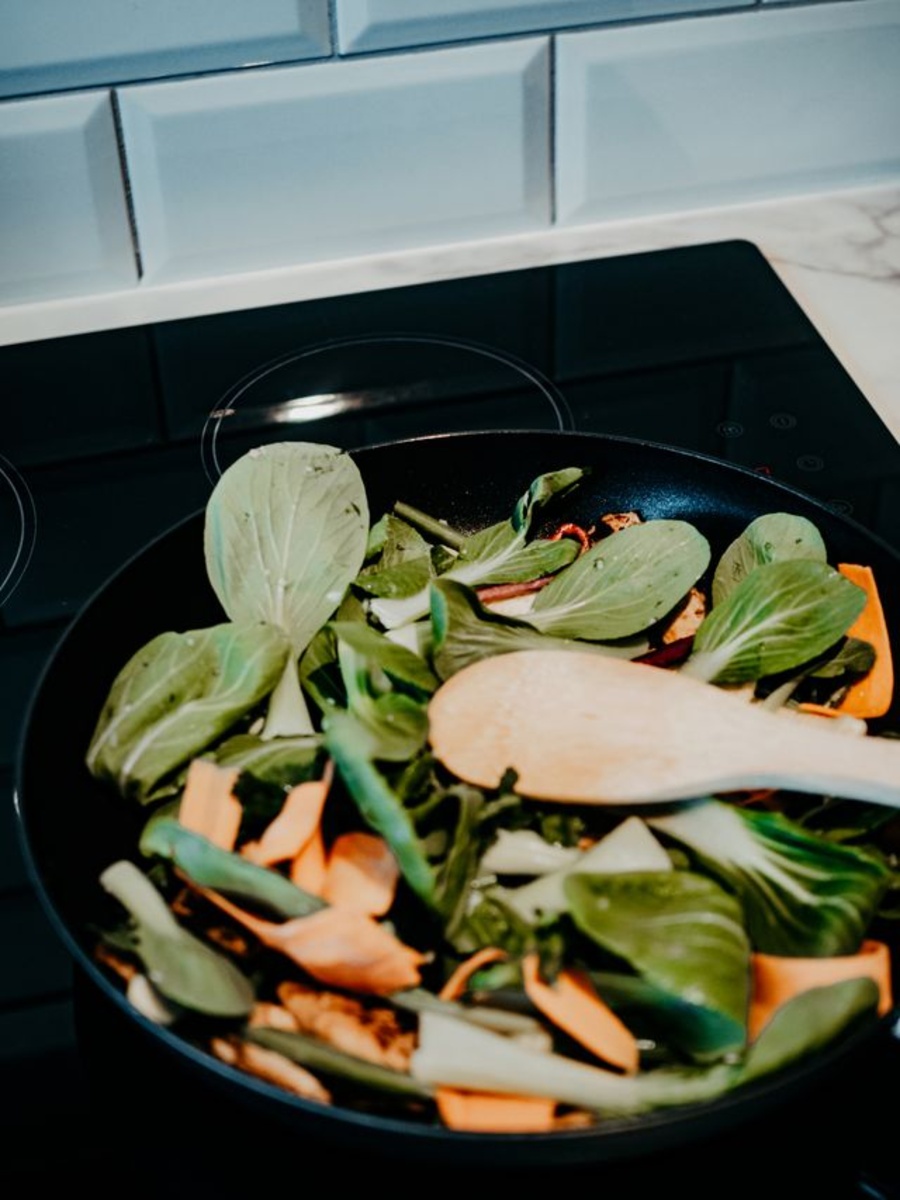
Photo by Lisa Fotios
Stir-fry is one of the easiest ways to turn a handful of fresh ingredients into a satisfying meal. With colorful vegetables, lean protein, and a hot skillet or wok, dinner can come together quickly without requiring complicated cooking techniques. The sauce, however, is what often brings everything together. A flavorful homemade sauce can coat every ingredient and transform simple vegetables, chicken, beef, tofu, or shrimp into a meal that feels complete.
Store-bought sauces can be convenient, but many contain more added sugar and sodium than you might expect. That does not mean you need to give up the bold, savory flavors that make stir-fry so appealing. Making your own sauce gives you control over the ingredients while allowing you to adjust the sweetness, saltiness, acidity, and spice to your preferences. It also makes it easier to create sauces that complement whatever happens to be in your refrigerator.
The key is learning how to build flavor from several simple ingredients instead of relying heavily on salt or sugar. Low-sodium soy sauce can provide the familiar savory character of Asian-inspired dishes, while fresh ginger and garlic add depth and aroma. Citrus juice and rice vinegar bring brightness, helping a lighter sauce taste lively rather than flat. A small amount of honey or pure maple syrup can provide enough sweetness to balance stronger flavors without making the sauce overly sugary.
Once you understand this balance, creating your own stir fry sauce becomes much easier. You do not need a long list of specialty ingredients or a complicated recipe. A good homemade sauce can be built around a few pantry staples and fresh ingredients, then adjusted depending on whether you are cooking vegetables, chicken, seafood, tofu, or another favorite protein.
Why Make Your Own Stir-Fry Sauce?
Homemade sauce offers something that prepared sauces cannot always provide: flexibility. You control exactly how much sweetener and sodium goes into the mixture. If you prefer a stronger ginger flavor, you can add more ginger. If you enjoy heat, a pinch of red pepper flakes can transform a mild sauce. If you want something brighter, extra rice vinegar or a squeeze of lime can make a noticeable difference.
Making sauces at home can also help reduce food waste. A few tablespoons of soy sauce, half a lemon, some fresh garlic, and a small piece of ginger can become the foundation for dinner instead of sitting unused in the refrigerator.
Start With Low-Sodium Soy Sauce
Soy sauce is an important source of umami, the savory quality that makes many stir-fry dishes so satisfying. However, traditional soy sauce can be high in sodium. Choosing a low-sodium variety is one of the simplest swaps you can make.
You do not necessarily need to compensate by adding more soy sauce. Instead, build additional flavor with garlic, ginger, vinegar, citrus juice, toasted sesame oil, herbs, or spices. These ingredients contribute complexity without depending entirely on salt.
For an even more customized sauce, start with a smaller amount of low-sodium soy sauce and taste before adding more. It is much easier to increase saltiness than to correct an overly salty sauce.
Add Fresh Ginger and Garlic for Big Flavor
Fresh aromatics are especially useful when making lighter sauces. Ginger contributes warmth, mild spice, and a fresh fragrance, while garlic provides a deeper savory flavor.
For a basic sauce, combine grated fresh ginger with minced garlic, low-sodium soy sauce, rice vinegar, and a small amount of sweetener. Allowing the sauce to sit for a few minutes before adding it to the pan can help the flavors come together.
You can also sauté the garlic and ginger briefly with your vegetables or protein before adding the liquid sauce. This creates an even more aromatic base and can make a simple meal taste considerably more developed.
Brighten the Sauce With Citrus
Citrus juice is an excellent way to add character without relying on extra salt or sugar. Lime juice works particularly well with ginger, garlic, and chili, while lemon juice can create a lighter, refreshing flavor.
Try adding one or two teaspoons of fresh lime juice to a basic soy-based sauce. Taste it and add more if needed. The goal is not necessarily to make the sauce sour but to introduce enough acidity to balance the savory and sweet elements.
Citrus zest can also provide a concentrated burst of flavor. A small amount of grated lime or lemon zest can make a sauce taste fresh without adding significant calories, sugar, or sodium.
Use Rice Vinegar for Balance
Rice vinegar is another useful ingredient for lighter sauces. Its mild acidity can balance sweetness and richness while helping the other ingredients stand out.
A simple combination of low-sodium soy sauce, rice vinegar, fresh ginger, garlic, and a touch of honey can create a versatile sauce for vegetables or chicken. If the finished sauce tastes too salty, a little more vinegar can sometimes restore balance without requiring additional sweetener.
Avoid adding large amounts at once. Stir-fry sauces are easy to adjust, so add vinegar gradually and taste as you go.
Choose Natural Sweeteners Carefully
Sweetness has an important role in many stir-fry sauces because it balances salty, acidic, and spicy flavors. The goal is not to eliminate sweetness completely but to use it intentionally.
Honey, pure maple syrup, and small amounts of fruit juice can work well. Start with a teaspoon rather than several tablespoons. Once the sauce is combined with vegetables and protein, the natural flavors of the ingredients can contribute additional sweetness.
You can also experiment with unsweetened ingredients that create the perception of richness. Caramelized onions, roasted vegetables, pineapple, carrots, or bell peppers can provide natural sweetness to the finished dish.
Three Easy Homemade Sauce Recipes
1. Ginger Garlic Stir-Fry Sauce
This is a simple everyday sauce that works with chicken, tofu, shrimp, or mixed vegetables.
Ingredients:
3 tablespoons low-sodium soy sauce
2 tablespoons rice vinegar
1 teaspoon honey
1 teaspoon freshly grated ginger
1 garlic clove, finely minced
1 teaspoon lime juice
1 teaspoon cornstarch
2 tablespoons water
Instructions:
Whisk all the ingredients together in a small bowl until the cornstarch is completely dissolved. Add the sauce to your cooked stir-fry during the final few minutes of cooking. Stir continuously as it heats so the sauce thickens and coats the ingredients evenly.
2. Light Citrus Sesame Sauce
This sauce has a bright flavor with a subtle nutty finish.
Ingredients:
3 tablespoons low-sodium soy sauce
1 tablespoon fresh orange or lime juice
1 tablespoon rice vinegar
1 teaspoon honey
1 teaspoon grated ginger
1 small garlic clove, minced
½ teaspoon toasted sesame oil
1 teaspoon cornstarch
2 tablespoons water
Instructions:
Combine the ingredients in a bowl and whisk well. Cook your vegetables and protein separately until nearly done. Pour the sauce into the pan and toss everything together. Let it simmer briefly until it becomes glossy and slightly thickened.
3. Spicy Garlic Sauce
For anyone who likes heat, this version brings plenty of flavor without requiring a sugary bottled sauce.
Ingredients:
3 tablespoons low-sodium soy sauce
1½ tablespoons rice vinegar
1 teaspoon honey or maple syrup
1 teaspoon fresh ginger
1 garlic clove, minced
½ teaspoon red pepper flakes
1 teaspoon lime juice
1 teaspoon cornstarch
2 tablespoons water
Instructions:
Whisk everything together before adding it to the pan. Once your vegetables and protein are cooked, pour in the sauce and toss continuously. Allow it to simmer for one to two minutes, or until it lightly coats the ingredients.
How to Thicken Sauce Without Adding Too Much
Many restaurant-style sauces have a thick, glossy texture because they contain a thickening ingredient. You can recreate that consistency at home without adding lots of sugar.
Cornstarch is one of the easiest options. Always mix it with cool water before adding it to the hot pan. This prevents clumps and allows the sauce to thicken evenly.
You can also reduce the amount of thickener by allowing the sauce to simmer slightly longer. As moisture evaporates, the flavors become more concentrated and the sauce naturally becomes thicker.
Build a Balanced Stir-Fry
A lighter sauce works best when the rest of the meal provides plenty of flavor and texture. Start with a colorful combination of vegetables such as broccoli, bell peppers, mushrooms, snow peas, carrots, cabbage, or zucchini.
For protein, try chicken breast, lean beef, shrimp, salmon, tofu, or tempeh. Cook ingredients in batches when necessary so they brown instead of becoming steamed and watery.
Add the sauce toward the end of cooking. This allows it to coat the food without becoming overly reduced or salty.
Easy Ways to Customize Your Sauce
Once you have a basic recipe, you can change it depending on your meal. Add chili flakes for heat, extra ginger for freshness, or sesame oil for a deeper nutty flavor. A little pineapple juice can create a sweeter tropical profile, while additional lime juice can make the sauce brighter.
For a vegetable-heavy stir-fry, keep the sauce light and acidic. Richer proteins such as beef can handle stronger ginger, garlic, and chili flavors. Tofu pairs especially well with sauces that contain plenty of acidity because the brightness helps balance its mild flavor.
Final Thoughts
Making a healthier stir-fry sauce does not mean sacrificing the bold flavors that make these meals enjoyable. The trick is to build flavor from several ingredients rather than depending on large amounts of sugar or sodium.
Low-sodium soy sauce provides a savory foundation, while fresh ginger and garlic add depth. Rice vinegar and citrus juice bring brightness, and a small amount of honey or maple syrup can create balance. With a few simple adjustments, you can make homemade sauces that are flavorful enough for weeknight dinners while giving you greater control over what goes into your meal.
Once you find a combination you enjoy, keep the ingredients on hand and experiment with different vegetables and proteins. A single homemade sauce can become the starting point for countless quick, colorful, and satisfying stir-fry dinners.
Photo Gallery




Comments