Blog
From Home Cook to Food Business: What It Takes
Plenty of great food businesses started exactly where you are, at a home stove with a recipe friends kept asking for. The leap from cooking for love to cooking for money is smaller than it looks, but it is real. It takes planning, the right permits, and equipment built for volume. The reward is turning a genuine passion into something that pays.

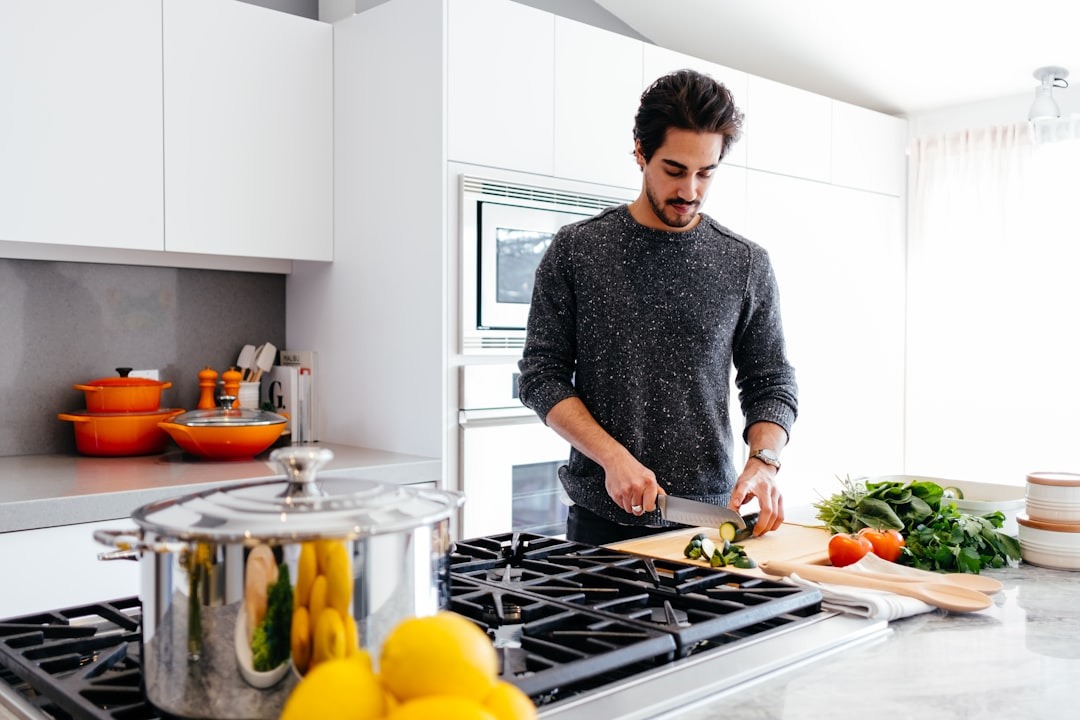
Photo by Jason Briscoe on Unsplash
Alt text: A home cook plating a dish in a kitchen
The moment you cook for paying customers, the rules change. Food safety, consistency, and storage all become non-negotiable. That is why serious kitchens rely on suppliers of Calgary Commercial Refrigeration for the coolers and freezers that keep ingredients safe at scale. This guide walks through what it really takes to make the jump, one practical step at a time.
Can You Really Turn Home Cooking Into a Business?
Absolutely. Thousands of people do it every year.
The food industry is one of the most accessible for new founders, with paths from catering to farmers markets to packaged goods. You do not need a restaurant to start, and many owners test demand with small batches first. What separates a hobby from a business is treating it like one. Clear pricing, real records, and a plan turn good food into a going concern.
The point is mindset. A business needs structure, not just talent.
What Changes When You Cook at Scale?
Almost everything. Volume rewrites the rules.
Cooking for 4 is nothing like cooking for 400, and small habits that work at home break down fast. You need repeatable recipes, bulk storage, and a workflow that does not depend on your memory. Exploring business ideas for moms who love to cook is a great way to picture which model fits your life. The goal is a system that produces the same quality every single time.
The rule is consistency. Systems beat inspiration at scale.
How Important Is Proper Refrigeration?
Critically important. It is the backbone of food safety.

Alt text: A commercial refrigerator in a professional kitchen
Once you sell food, keeping it out of the danger zone between 40°F and 140°F is a legal and ethical must. Holding at or below 40°F is the standard, as detailed in the FDA guidance on refrigerator thermometers. Commercial units do this reliably through constant use, where a home fridge would struggle. Cutting corners on cold storage is the fastest way to lose customers or fail an inspection.
The rule is cold. Safe temperatures protect everyone.
What Does It Take to Start a Food Business?
Paperwork and planning, mostly. The kitchen is only half of it.
Beyond great food, you will register your business, secure permits, and understand your tax obligations. The IRS overview on starting a business is a solid first stop for the legal basics. Local health permits and a licensed kitchen are usually required before you sell a single plate. Getting these right early saves painful surprises down the road.
The point is groundwork. Handle the boring parts first.
How Do You Prep Food Efficiently at Scale?
With systems and storage. Batching is your friend.
Smart prep is what keeps a small food business profitable and sane. Techniques for preparing food in advance let you cook in batches, freeze safely, and hit deadlines without panic. Label everything with dates and rotate stock first-in, first-out. Good refrigeration makes this possible by giving you reliable space to hold prepped ingredients.
The rule is preparation. Batch now, breathe later.
What Steps Turn a Passion Into a Business?
Deliberate ones, in order. Rushing costs money.
The moves that get a food business off the ground are these 5:
Validate demand. Sell small batches before you scale.
Handle the legal side. Register, permit, and insure.
Set real pricing. Cover costs plus a genuine profit.
Invest in cold storage. Reliable refrigeration is essential.
Build repeatable systems. Document every recipe and step.
Each step lowers your risk. Together they turn a dream into a durable business.
Key Points to Keep In Mind
Many food businesses begin at a home stove with one great recipe.
Selling food makes safety, permits, and storage non-negotiable.
Keep food out of the 40°F to 140°F danger zone at all times.
Register your business and secure health permits early.
Batch prep and reliable refrigeration keep you profitable.
Validate demand with small batches before you invest big.
Cooking Up Something That Lasts
Turning your kitchen into a business is one of the most satisfying leaps a passionate cook can make. It rewards planning as much as talent, and the founders who succeed treat food safety and systems as seriously as flavor. Start small, handle the legal groundwork, and invest in equipment that can keep up as you grow. Do that, and the recipe everyone loves can become a business that feeds your future, not just your table.
Frequently Asked Questions
Do I Need a Commercial Kitchen to Sell Food?
In most places, yes, at least eventually. Many regions have cottage food laws that let you sell certain low-risk items from a home kitchen, but rules vary widely. Higher-risk foods, especially anything requiring refrigeration, usually need a licensed commercial or commissary kitchen. Check your local health department early, since the answer shapes your startup costs and what you are allowed to sell from day one.
How Much Does It Cost to Start a Food Business?
It ranges enormously, from a few hundred dollars for a small cottage operation to tens of thousands for a licensed kitchen buildout. Key costs include permits, insurance, ingredients, packaging, and equipment like commercial refrigeration. Starting small and reinvesting profits keeps risk low. Write a simple budget first, so you know your break-even point before you spend on anything major.
Why Is Commercial Refrigeration Worth the Investment?
Because reliability protects both your customers and your business. Commercial units hold steady, safe temperatures through constant use, unlike home fridges that were never built for it. A single cooling failure can spoil expensive inventory or cause a food safety incident. Factory-direct pricing and financing make quality equipment more affordable than many new owners expect, which lowers the barrier to doing it right.
How Do I Keep Food Safe When Scaling Up?
Build safety into your routine. Hold cold food at or below 40°F, label everything with dates, and follow first-in, first-out rotation religiously. Train anyone who helps you on the same standards, and keep a thermometer in every cooler. Reliable refrigeration and disciplined habits are what let you grow volume without ever gambling on the quality or safety of what you serve.
Photo Gallery



Comments