Blog
Teaching Kids Healthy Habits With Your Family Dentist
- Scheduling a child's first dental appointment by age one builds familiarity and prevents fear from developing later.
- Brushing twice daily for two minutes and flossing regularly protects teeth and reduces risks of serious systemic conditions.
- Children closely mirror adult behaviors, making visible and consistent oral hygiene routines at home especially powerful.
- Fruit gummies, sports drinks, crackers, and prolonged juice sipping cause significant dental damage beyond just candy.
- Fluoride applications, dental sealants, and regular comprehensive exams protect teeth far more effectively than addressing problems after they develop.
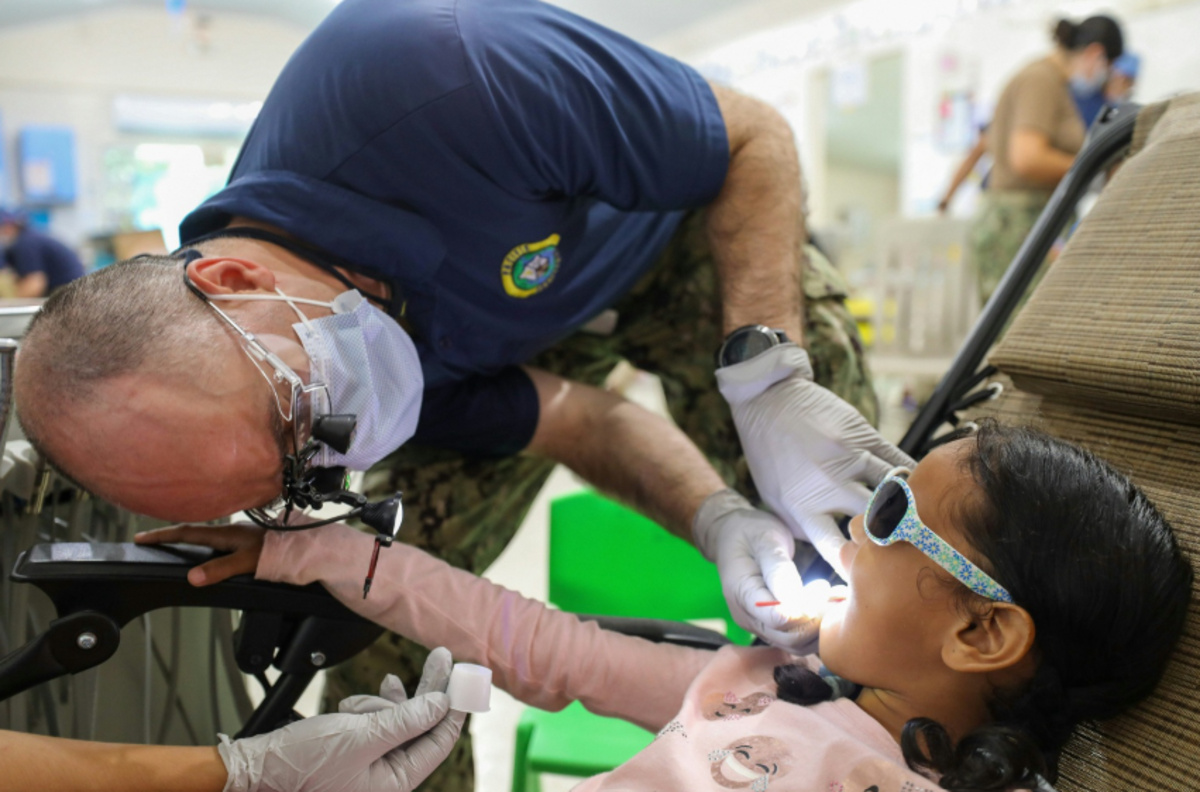
The habits children develop in their earliest years tend to stay with them well into adulthood. Tooth care is no exception. Teaching kids to brush and floss properly is not simply about keeping their baby teeth free of cavities. Research increasingly points to connections between oral health and broader systemic conditions, including heart disease and diabetes, meaning the routines established in childhood can influence overall health decades down the line.
For many parents, though, the daily reality of getting a child to brush their teeth is less about long-term wellness and more about getting through the morning without a meltdown. The toothbrush becomes a source of negotiation, resistance, or outright refusal. Turning that daily chore into something a child accepts, and eventually owns, is a genuine challenge most families face at some point.
With the right dental services, parents gain a professional ally who helps children understand why oral care matters, builds their confidence in the dental chair, and supports the development of habits that can last a lifetime.
Building a Foundation Free of Fear
Dental anxiety in children is more common than many parents expect, and it rarely comes from a single bad experience. Much of it stems from uncertainty. Children entering a dental office for the first time encounter unfamiliar sounds, bright overhead lights, unusual smells, and a stranger asking them to open their mouths. For a young child still making sense of the world, that combination can feel genuinely overwhelming.
Parents also play a larger role in shaping this anxiety than they often realize. A family member who visibly tenses up before their own dental appointment, or who uses phrases like "it won't hurt" before any procedure is even mentioned, can unintentionally signal to a child that there is something to be afraid of. Children are perceptive, and they pick up on adult unease quickly.
The role of the family dentist
A family dentist who is experienced with young patients approaches the clinical environment with this in mind. For families in Idaho Falls, familydentalhealth.com is one example of where this patient-centered philosophy translates into actual practice. Child-friendly language replaces clinical terminology, so instruments get playful names rather than intimidating ones. Interactive tools, visual aids, and age-appropriate explanations help children feel informed rather than passive.
One of the most effective techniques used in pediatric-friendly practices is the "show-tell-do" method, where the dentist first shows the child a tool, explains what it does in simple terms, and only then uses it. This stepwise approach removes the element of surprise that drives so much of childhood dental fear.
The physical environment also matters. Waiting areas with toys, ceiling decorations, or screens, along with staff who are trained to communicate warmly with children, contribute to an atmosphere where a young patient feels welcomed rather than processed.
Early familiarization
The first birthday or six months after the first tooth appears is when health care professionals typically advise bringing a child in for their initial dental visit. This guideline, often called the "First Visit by First Birthday" rule, is not primarily about finding dental problems at that age. Its value lies in introducing the child to the dental setting before any treatment is actually needed.
When a toddler's first few visits involve nothing more than a gentle look around, a quick count of teeth, and a friendly conversation, the dental office becomes a familiar and neutral place. By the time more involved dental needs arise, the child already has a frame of reference that does not include fear or discomfort. That early exposure makes a measurable difference in how children respond to comprehensive dental care as they grow.
The Technical Basics, Simplified
Dentists generally recommend that children brush for two full minutes, twice a day. The technique matters as much as the duration. The bristles should be angled at roughly 45 degrees toward the gumline, and the motion should be small and circular rather than a wide back-and-forth scrub. That horizontal scrubbing motion, which most children default to on their own, tends to miss the area where the tooth meets the gum, which is precisely where plaque accumulates.
A useful analogy dentists sometimes offer younger patients is to think of each tooth as having three surfaces that all need attention: the outside face, the inside face, and the chewing surface on top. Walking a child through those three zones, one tooth at a time, gives the task a clear structure that feels manageable rather than vague.
Bringing technology into the routine
For children who resist the two-minute requirement, technology offers some genuinely useful tools. Brushing apps designed for kids provide visual timers, animated characters, and audio cues that guide the session from start to finish. Musical toothbrushes that play a song for exactly two minutes remove the need for a parent to monitor the clock.
Reward charts work along similar lines. Marking a completed brushing session with a sticker or a point toward a small reward taps into a child's natural motivation in a way that straightforward instruction often does not. Framing the two-minute timer as a challenge to beat, or as something the child controls, gives them a sense of agency over the routine.
Starting flossing early
Flossing becomes necessary as soon as two teeth are positioned closely enough to touch, because a toothbrush cannot reach the contact point between them. For many children, this happens well before kindergarten. Standard floss is difficult for small hands to manage, so floss picks and interdental tools designed specifically for children are a more practical starting point. A parent will need to handle flossing entirely for younger children, gradually teaching the technique as the child's dexterity develops.
The weight of what children observe
Children pay close attention to what adults around them actually do, often more than what they are told. A parent who brushes and flosses visibly, as part of a shared household routine rather than behind a closed bathroom door, sends a message that these habits are normal and worth maintaining. Inviting a child to brush alongside you at the same time each day embeds the routine into the household rhythm in a way that instruction alone rarely achieves.
Nutritional Education
Most children grow up hearing that sugar causes cavities, which is true in a simplified sense but leaves out the process that actually does the damage. The mouth is home to colonies of bacteria that feed on carbohydrates, and sugar is only one type. When those bacteria consume carbohydrates, they produce acid as a byproduct. That acid sits against the tooth surface and gradually erodes the enamel, the hard outer layer that protects each tooth. Repeated acid exposure, particularly without adequate cleaning in between, is what eventually produces cavities and gum disease.
The culprits that fly under the radar
Candy is an obvious target, but several everyday items cause comparable or even greater harm precisely because parents and children do not think of them as problematic. Fruit gummies and dried fruits cling to the grooves of molars long after eating, giving bacteria an extended window to feed. Sports drinks and fruit juices deliver both sugar and acid simultaneously, a particularly corrosive combination. Starchy snacks like crackers and chips break down into simple carbohydrates that coat the teeth in a sticky film.
Frequency matters as much as quantity. A child who sips a juice box slowly over an hour subjects their teeth to prolonged acid exposure, which is more damaging than consuming the same amount in one sitting.
Foods that work in the mouth's favor
Certain foods actively contribute to oral wellness. Crunchy produce such as apples, carrots, and celery stimulates saliva production, which neutralizes acid and washes away debris naturally. Dairy products, including cheese, yogurt, and milk, supply calcium and phosphate, both of which help maintain enamel strength and integrity.
The case for water
Plain water, particularly fluoridated tap water, is the most tooth-friendly beverage a child can reach for. Drinking water after meals helps dislodge leftover food particles and dilutes any residual acids in the mouth. Steering children toward water as the default drink between meals is a straightforward dietary adjustment with meaningful long-term benefits for their dental health.
Preventive Care as a Teach-In Moment During Checkups
In the hands of dental specialists, a comprehensive exam becomes an interactive explanation of what is actually happening inside the mouth. The dentist counts each tooth out loud, narrates what they are looking at, and involves the child in the process rather than talking over them to the parent. Many pediatric-friendly dentists refer to cavity-causing bacteria as "sugar bugs," a term that turns an abstract biological concept into something a child can visualize and understand.
This kind of narration does something important. It transforms a child from a passive patient into an active participant who leaves the appointment with actual knowledge about their own mouth.
What preventive treatments look like from a child's perspective
Two of the most common preventive treatments a child will encounter at the dentist are fluoride applications and dental sealants. How a dentist explains appointment procedures shapes how a child feels about receiving them.
Fluoride, applied topically after a cleaning, works by reinforcing the mineral structure of tooth enamel, making it more resistant to acid erosion. Dentists often describe it to children as a protective jacket or a strength shield that the teeth wear to defend against sugar bug attacks. That framing makes the treatment feel empowering rather than clinical.
Dental sealants serve a different but equally practical purpose. The chewing surfaces of back molars contain deep grooves that trap food particles and are difficult to clean thoroughly with a toothbrush. A sealant is a thin protective coating that a dentist paints directly onto those grooves, sealing them off so debris cannot accumulate. For children, understanding that their dentist is essentially building a force field into the surface of their teeth makes the procedure feel purposeful and even exciting.
Praise as a professional tool
Skilled dentists who treat children understand that positive feedback at the end of an appointment carries real weight. When a dentist specifically acknowledges that a child's teeth look cleaner than last time, or points out that their gum health has improved, it creates a direct link between the child's daily efforts and a visible outcome. That recognition builds a sense of ownership over their oral health that a parent's reminder to brush simply cannot replicate. Children who feel proud of their smile take better care of it.

Breaking Tough Habits Without Shame
In infancy and early toddlerhood, thumb-sucking and pacifier use are typical ways young children comfort themselves. When they persist past the age of three or four, however, they can begin exerting pressure on the developing jaw and influence bite alignment over time. Parents often struggle to address this because direct correction can feel like criticism to a young child, sometimes reinforcing the behavior through stress.
A family dentist occupies a uniquely effective position here. Coming from a clinical authority figure rather than a parent, the explanation carries a different kind of weight without the emotional charge. A dentist can show a child, using patient education tools, exactly what prolonged sucking habits do to tooth positioning. That concrete, visual explanation often motivates a child to cooperate with habit cessation in a way that parental instruction alone does not achieve.
The transition to permanent teeth
Losing a baby tooth is one of the more memorable childhood experiences, and most children approach it with genuine excitement. A family dentist can build on that enthusiasm by framing the arrival of permanent teeth as a significant milestone that deserves careful attention. Unlike baby teeth, permanent molars do not get a second chance. The first adult molars typically emerge around age six, often before a child fully grasps their long-term significance, making early education about their protection especially valuable.
Protecting young athletes
Children who participate in contact or collision sports face a real risk of dental trauma, including cracked, displaced, or knocked-out teeth. A custom-fit mouthguard, fabricated by a dentist from an impression of the child's own teeth, offers substantially better protection than a generic store-bought version. Introducing this conversation early, ideally before a child joins their first team, positions dental protection as a standard part of athletic preparation rather than an afterthought.
Conclusion
Building strong oral health habits in childhood is not something that happens in a single conversation or a single dental visit. It develops gradually, through consistent routines at home, regular professional guidance, and a child who feels informed and confident about their own care.
If you have been putting off the need to find a dentist, consider this your nudge. Contact your friendly local dentist to book your family's next appointment and walk in knowing that you are giving your child a head start on a lifetime of healthy smiles.
Photo Gallery





Comments